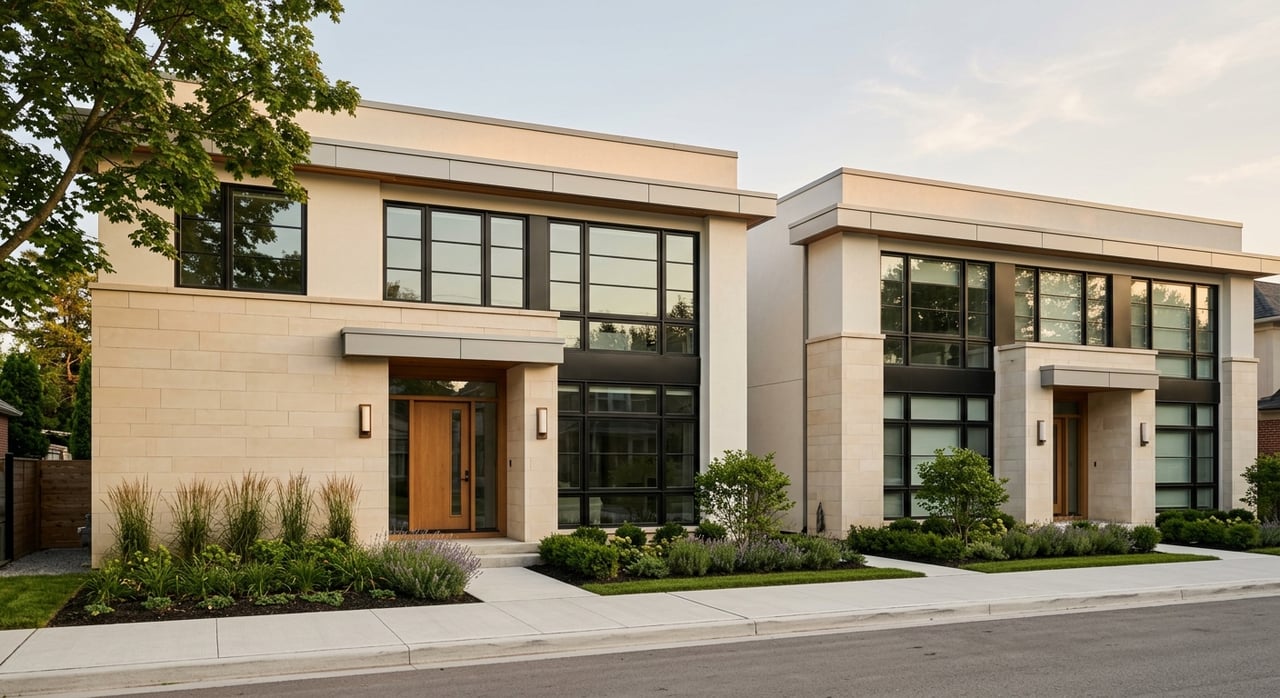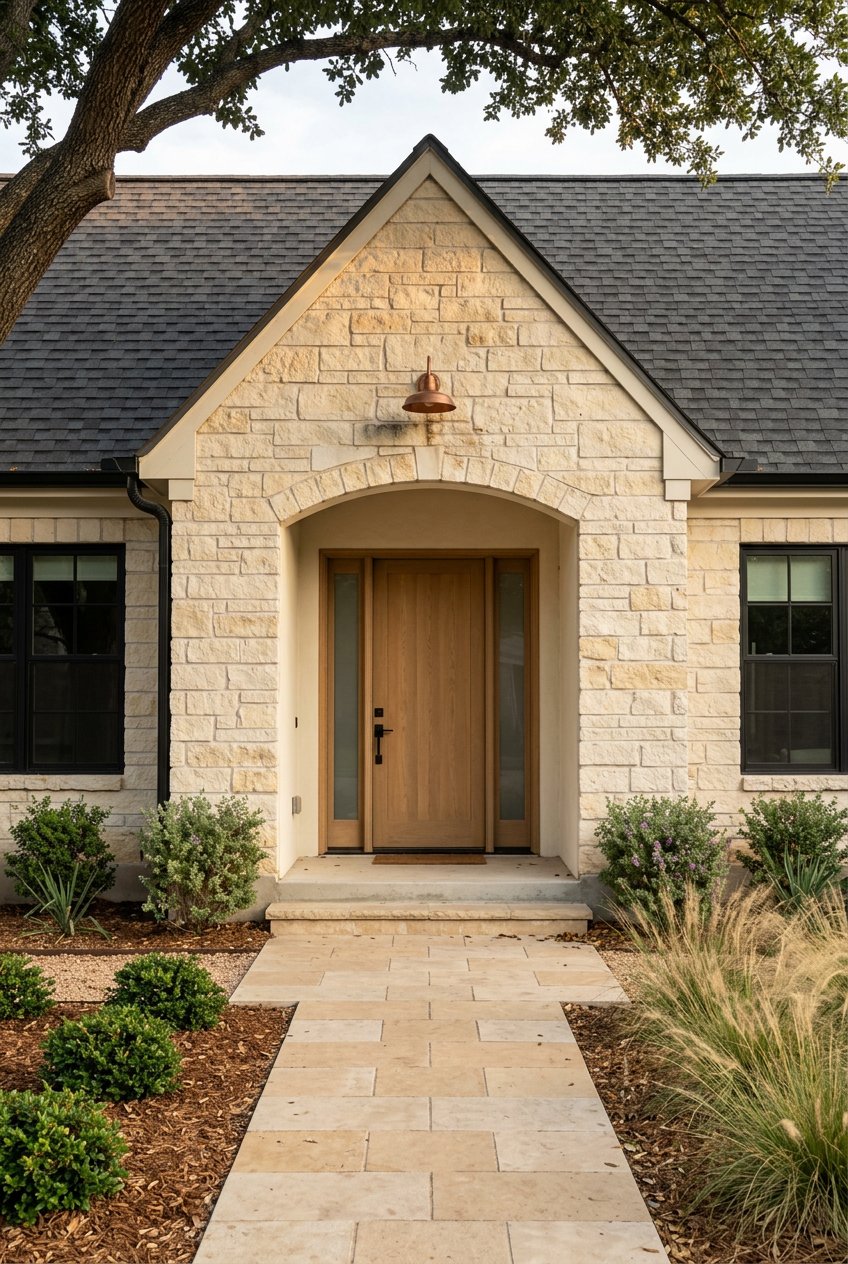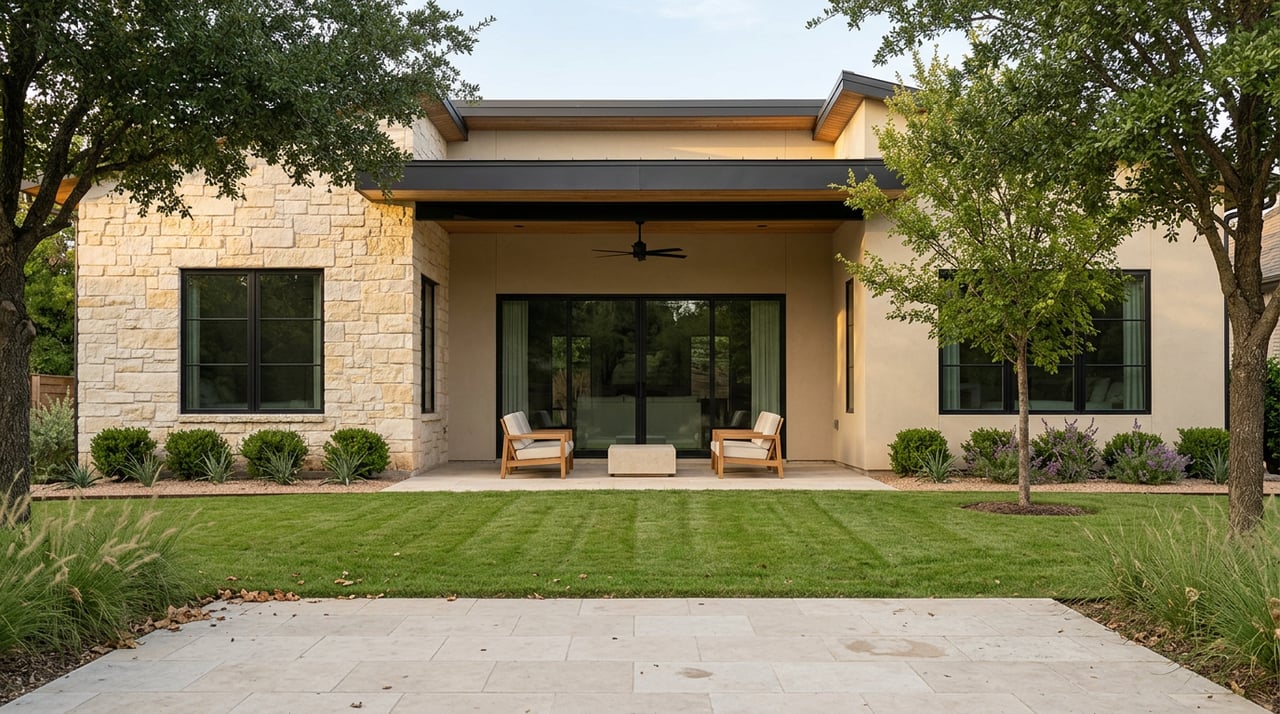
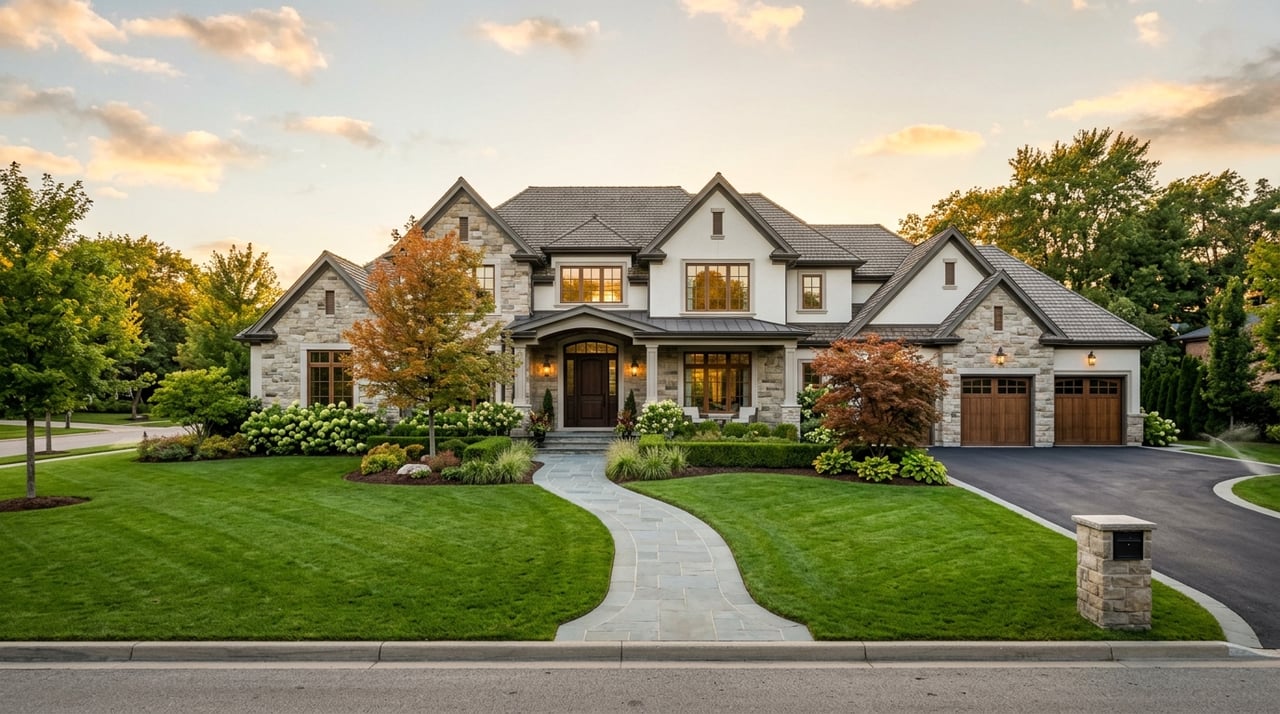
Trying to choose between Colleyville, Southlake, and Grapevine? If you are moving to this part of North Texas, it is easy to see why the decision feels tough. Each city offers a distinct lifestyle, and the right fit often comes down to how you want to live day to day, what type of home you want, and how important commute patterns and neighborhood setting are to you. This guide will help you compare the three so you can narrow your search with more confidence. Let’s dive in.
At a high level, these three communities serve different priorities.
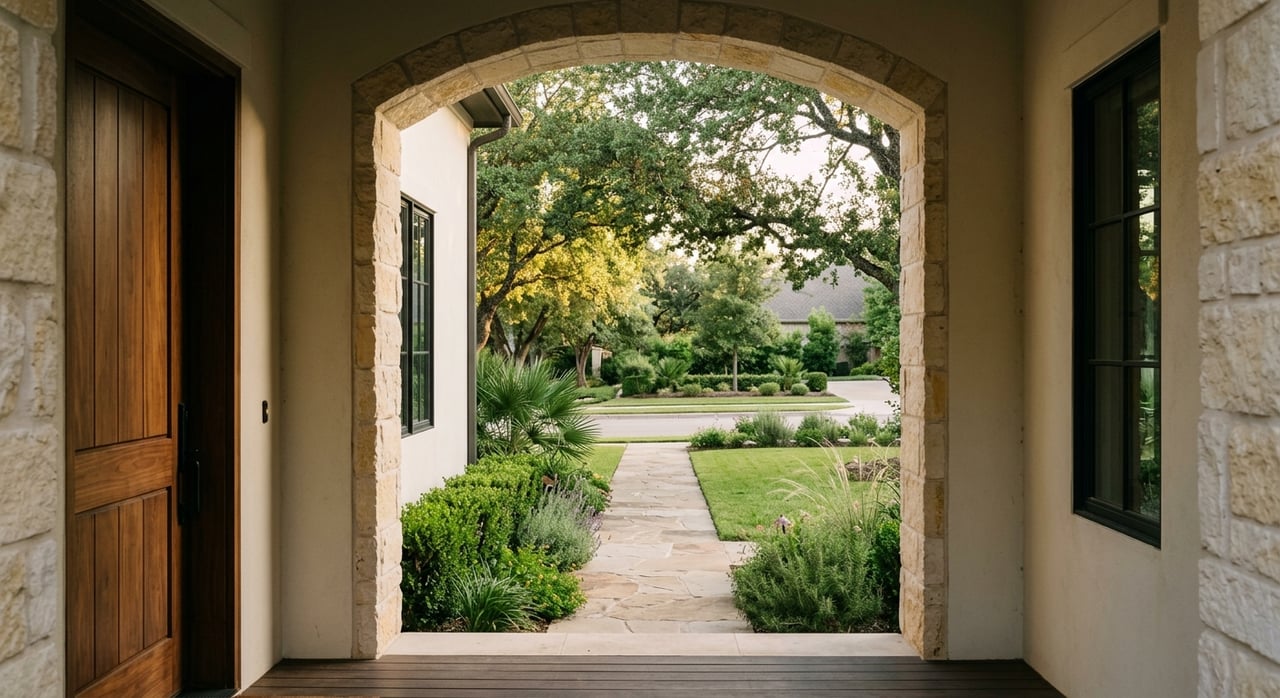
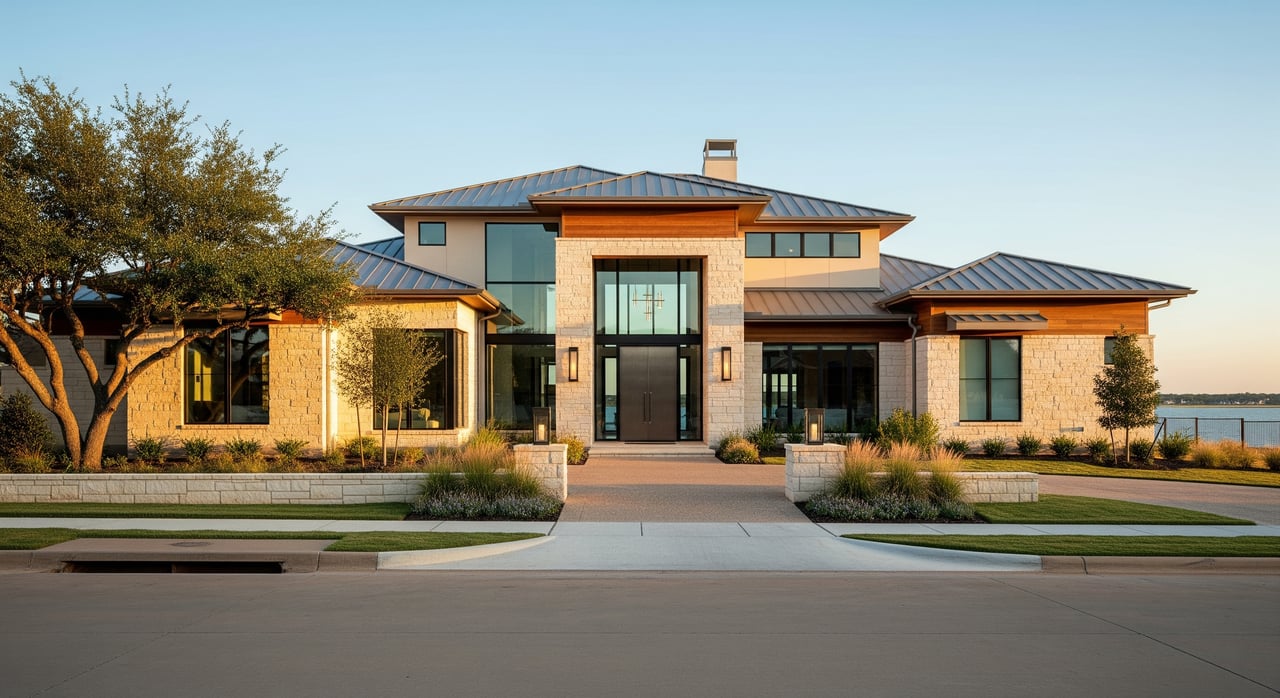
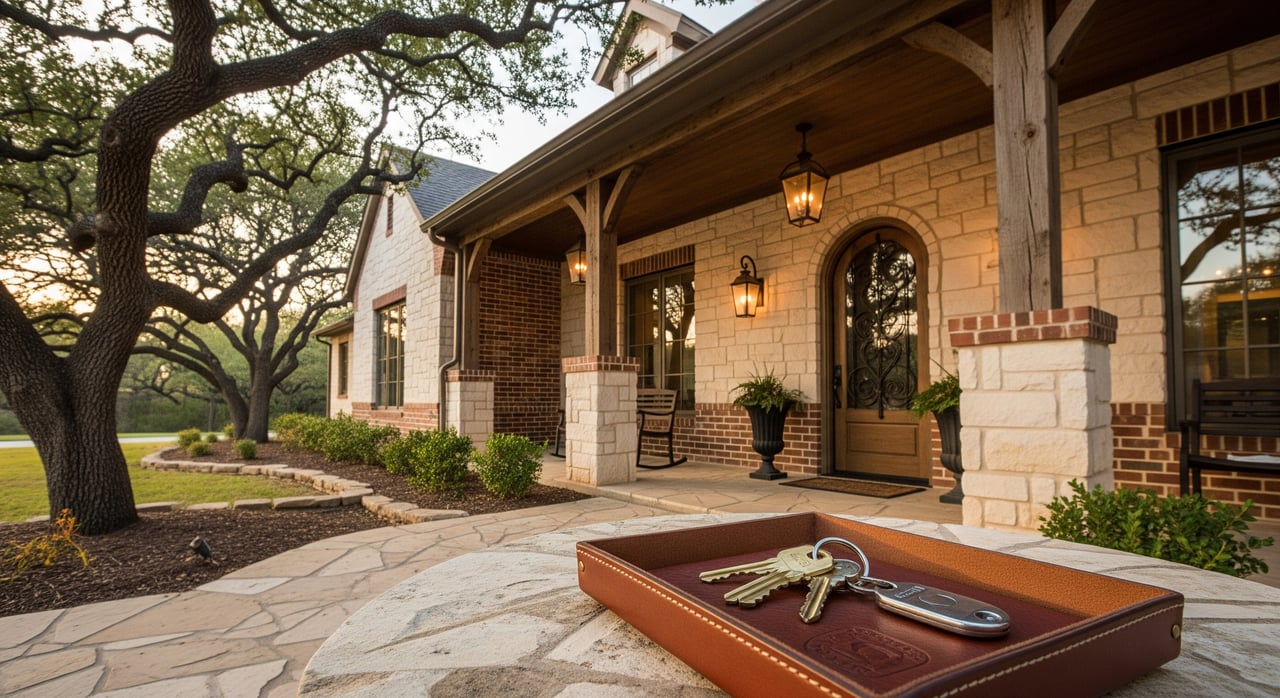
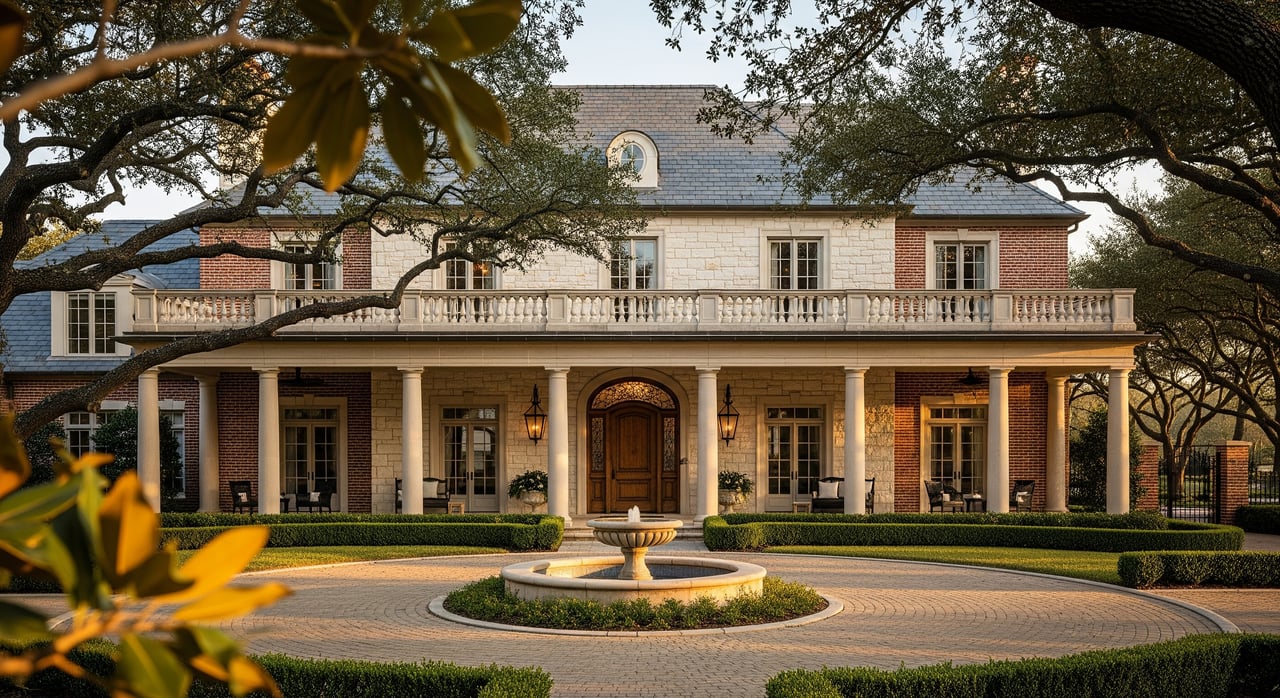
Colleyville stands out for its quieter, large-lot suburban character. According to the city’s comprehensive plan, Colleyville aims to preserve high-quality, large-lot neighborhoods, maintain a natural setting, and keep a rural feel even as the city stays close to shopping, dining, and DFW Airport.
Southlake feels more polished and centralized. The city identifies Southlake Town Square as the core for retail, dining, and entertainment, and its planning materials show a strong focus on major corridors like FM 1709 and SH 114.
Grapevine offers the most historic and mixed character of the three. The city maintains several historic districts and combines older neighborhood fabric with Main Street activity, airport access, and rail service.
If home style and lot size are high on your list, this is where the differences become especially clear.
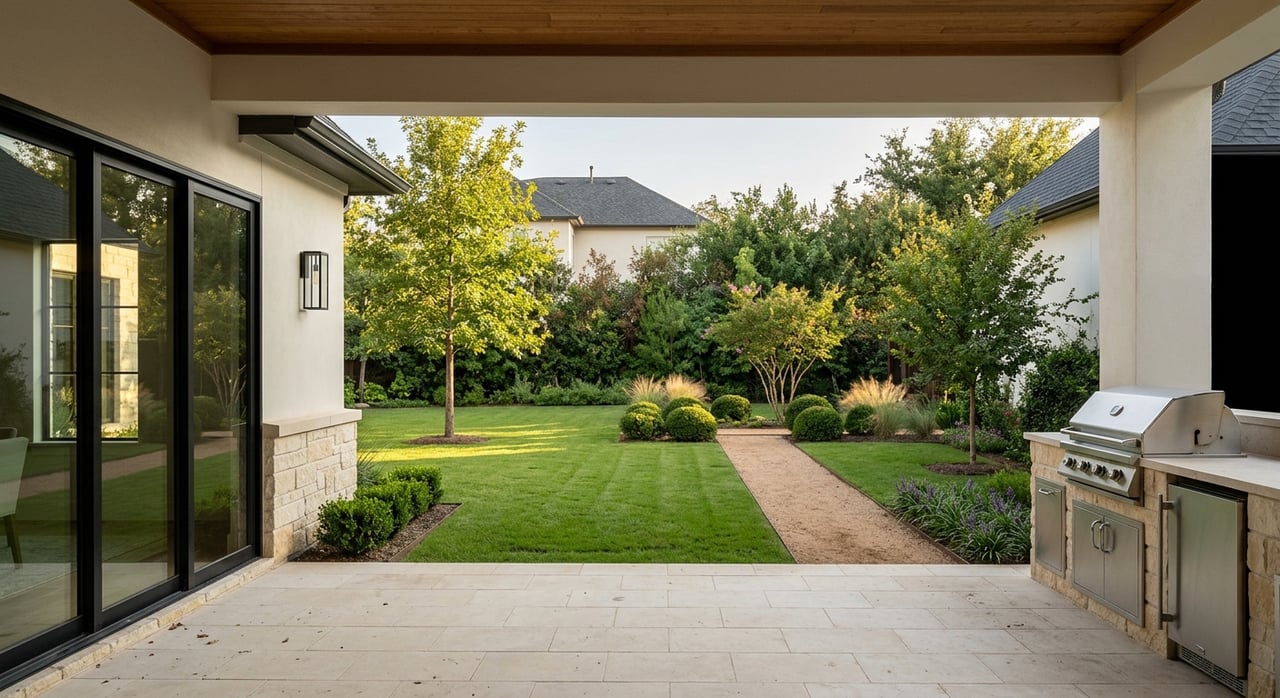
Colleyville is built around lower-density residential patterns. Its zoning map shows single-family districts beginning at 20,000-square-foot lots and extending to 30,000- and 40,000-square-foot lots.
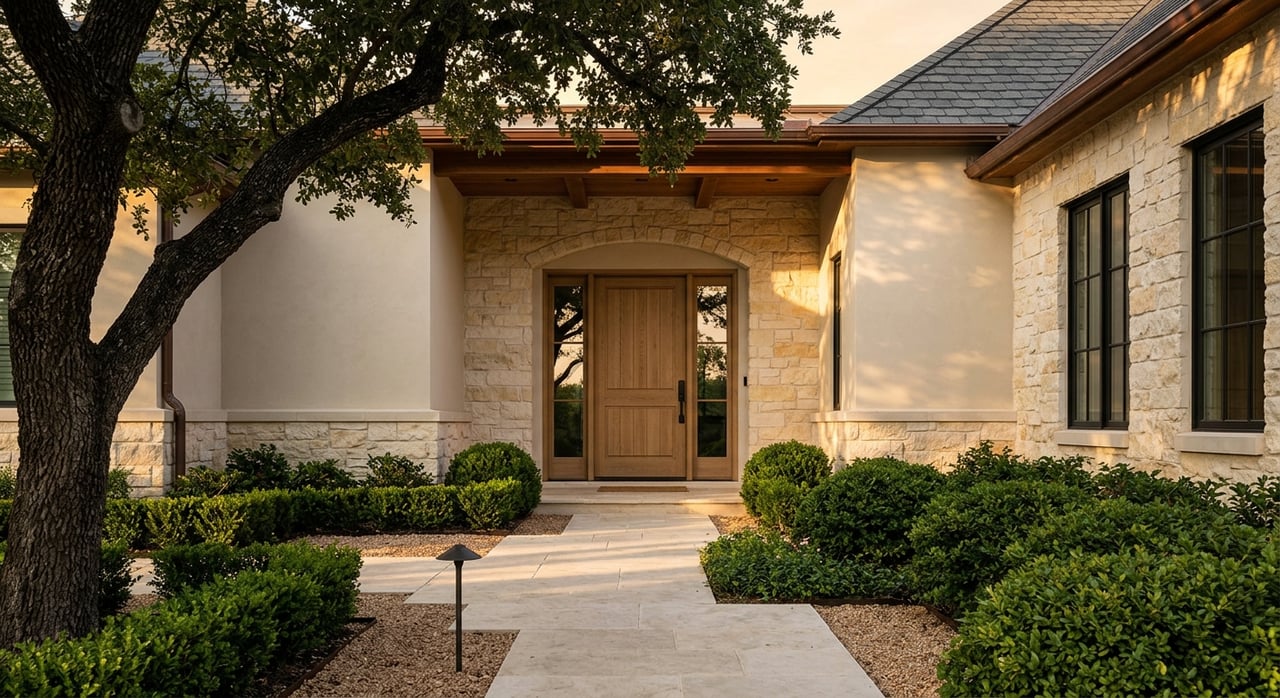
That planning framework supports what many buyers already notice when they drive through the area: detached homes, more separation between properties, and a quieter residential rhythm. If you want a suburb that feels established, spacious, and intentionally low-density, Colleyville makes a strong case.
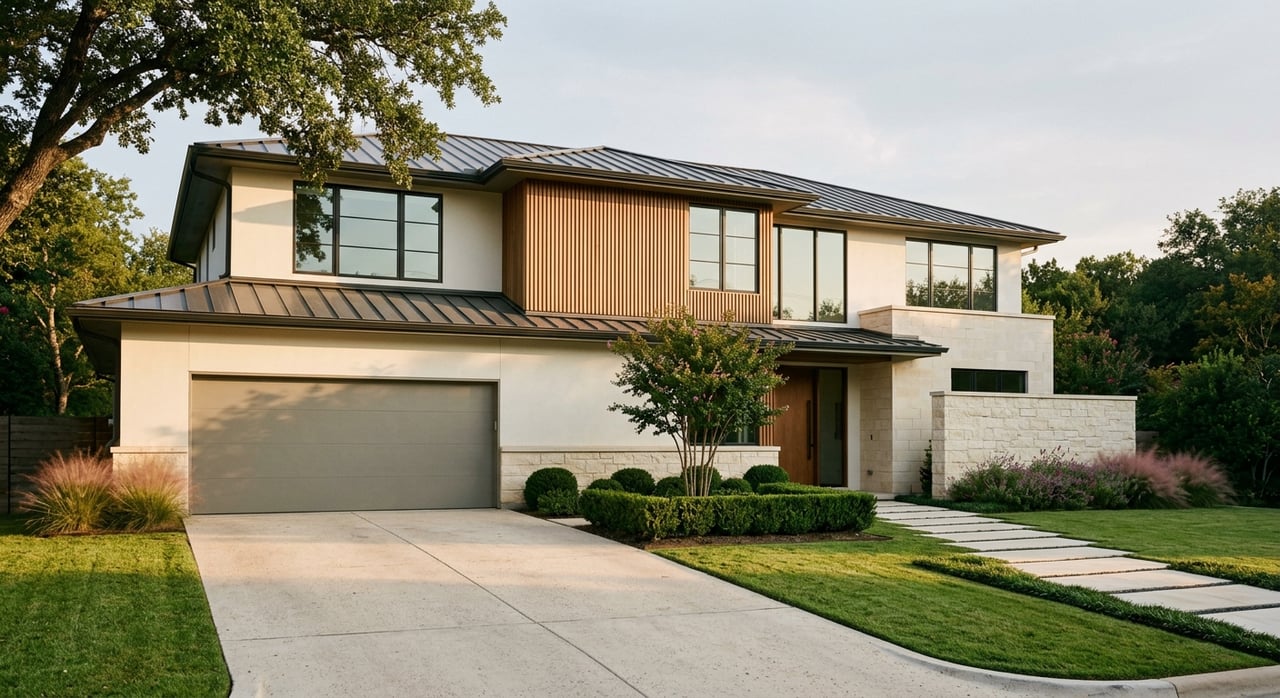
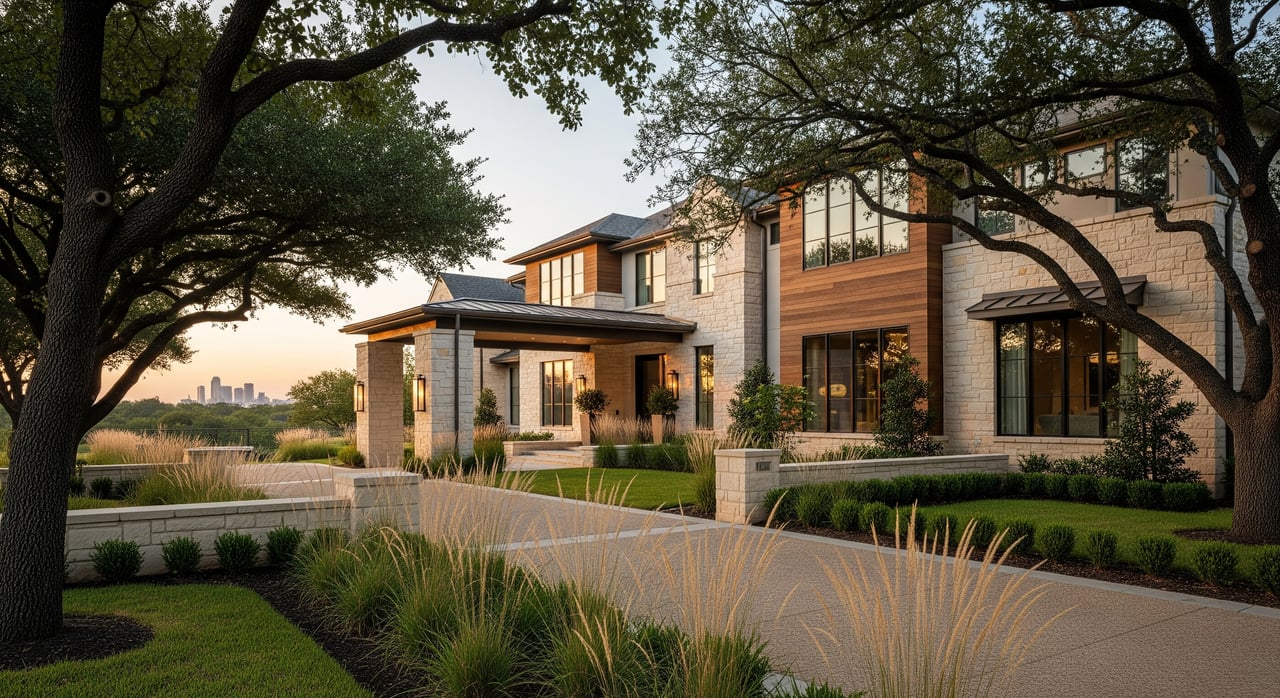
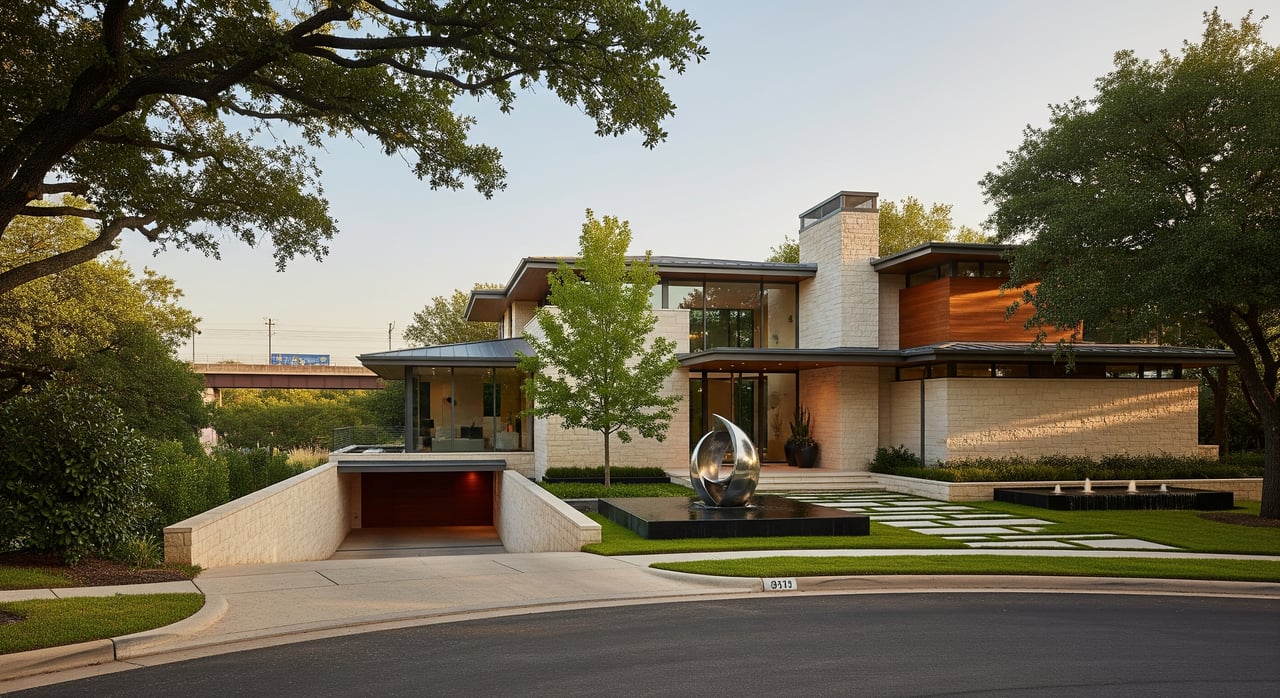
Southlake offers the broadest estate-lot range in this comparison. The city’s zoning legend includes 20,000-square-foot lots, 30,000-square-foot lots, 1-acre lots, 2-acre lots, and even 5-acre residential estate zoning.
For buyers looking for larger homesites within a highly planned suburban setting, Southlake has the clearest estate-lot ladder. That can be especially appealing if you want a more polished suburban environment with larger-lot options still built into the city’s long-term framework.
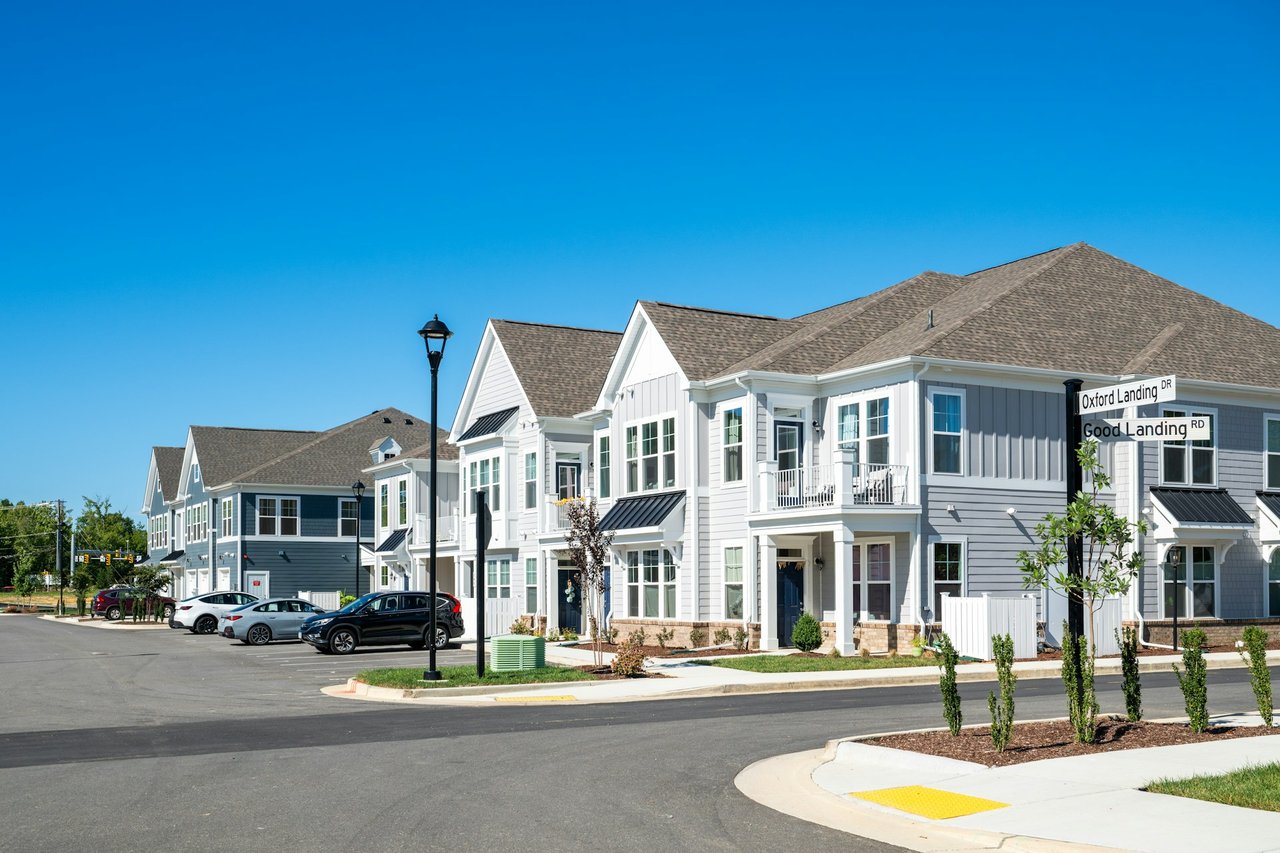
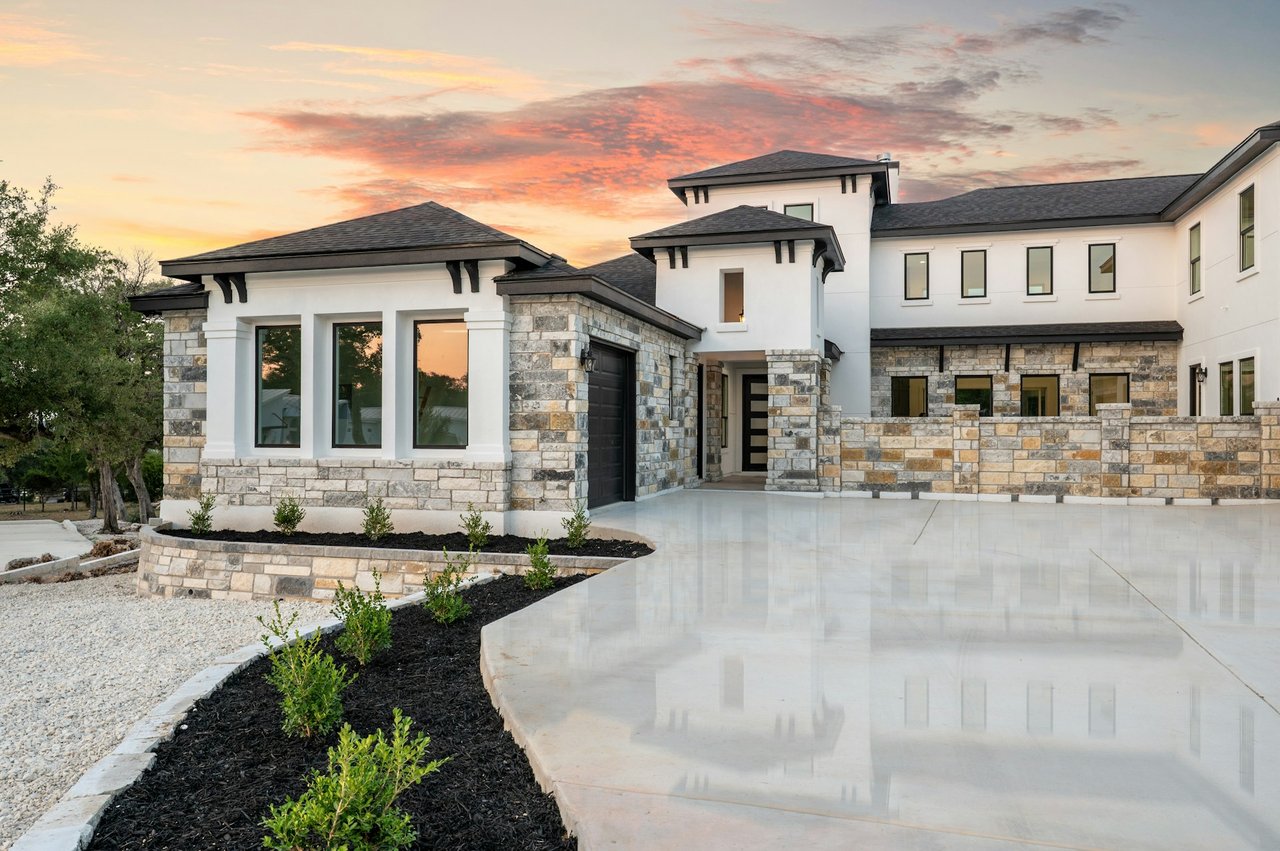
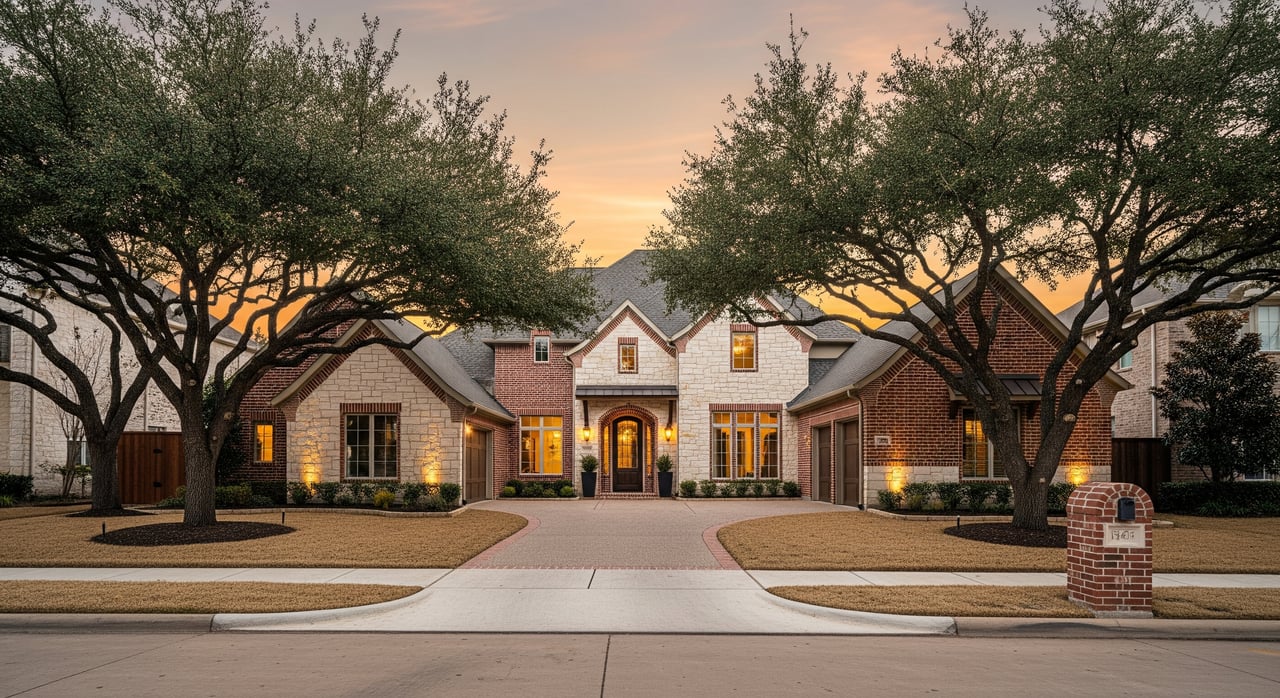
Grapevine has the most varied housing mix. Its comprehensive master plan includes categories ranging from larger-lot single-family zoning to smaller lots, zero-lot-line homes, two-family, townhouse, and multifamily options.
That means Grapevine may give you more flexibility in housing type and price point. It also means the city feels less uniform than Colleyville or Southlake, which can be a plus if you value variety and a more mixed neighborhood texture.
Once you move past square footage and lot size, daily lifestyle often becomes the deciding factor.
Colleyville describes itself as a community with a rural feel and access to a variety of shops and restaurants. The city also points to Colleyville Boulevard as a key commercial corridor, giving you practical access to everyday needs without losing that more residential setting.
If you want your home life to feel calm and neighborhood-focused, Colleyville often lands in the sweet spot. It offers space and convenience without feeling as retail-centered as Southlake or as tourism-oriented as Grapevine.
Southlake is the most retail-centered of the three. With Town Square serving as a major focal point, many buyers are drawn to the convenience of having shopping, dining, and entertainment clustered in a well-known central area.
If you like a suburb with a more curated and connected commercial core, Southlake may feel like the best fit. That central organization can make everyday errands and social plans feel more streamlined.
Grapevine leans into its Main Street identity and historic setting. Its preserved districts and destination-style downtown create a different rhythm than the more consistently suburban feel of Colleyville and Southlake.
If you enjoy a city with a stronger sense of tourism, historic character, and mixed-use energy, Grapevine may stand out. It can be an especially good match if you want walkable activity in certain areas and a more varied overall environment.
For many buyers, convenience is not just about the house. It is also about how easily you can get around the region.
Colleyville’s quick facts page says the city is about 5 miles from DFW Airport and identifies Texas 26, Texas 121, and FM 3029 as major thoroughfares. The city’s planning documents also reference SH 114 as an important connection to DFW Airport and Dallas.
That makes Colleyville a practical choice if you want airport convenience without living in a more transit-oriented or highly active setting. For many people, it offers a balanced commute profile.
Southlake also benefits from strong regional access. The city’s DFW Airport page highlights its close relationship with the airport, while city transportation materials point to FM 1709, SH 114 frontage roads, and FM 1938 as key corridors.
If your routine depends on predictable car travel and access to major routes, Southlake has a well-defined roadway network. That structure can appeal to buyers who want a suburb organized around convenient driving patterns.
Grapevine has the strongest transit-and-airport story of the three. The city notes that TEXRail runs through Grapevine with two stations and service into DFW Airport Terminal B, and that several major highways are within a few miles.
That combination is a major differentiator. If easy rail-to-airport access matters to you, or if you value being connected to both road and transit options, Grapevine has a real advantage.
For many buyers, school assignment is part of the home search. In this comparison, it is important to keep the discussion factual and address-specific.
Colleyville’s quick facts show that parts of the city are served by Grapevine-Colleyville ISD, Keller ISD, and Hurst-Euless-Bedford ISD. That means school assignment can vary significantly depending on the property.
If Colleyville is on your shortlist, verifying attendance boundaries should be part of your early home search process. You do not want to assume school assignment based only on the city name.
Southlake is more closely identified with Carroll ISD. The city notes its School Resource Officer program serves Carroll ISD schools, and Carroll ISD reported an overall score of 95, or A, in the TEA 2025 accountability ratings.
For buyers who want a city with a more district-centered identity, Southlake often feels more straightforward in that respect. Even so, it is still smart to verify details tied to any specific address.
Grapevine is primarily associated with GCISD, but the district’s attendance area maps confirm that assignments are based on the student’s residence address.
Like Colleyville, Grapevine is best approached as an address-by-address school search. If that factor matters in your move, it should be confirmed before you make an offer.
If you are still deciding, this quick framework can help.
For many buyers comparing these three, Colleyville becomes the middle-ground option. It offers space and calm without giving up convenience, while Southlake leans more estate-focused and Grapevine leans more historic and connected.
The best choice depends on how you define everyday livability. If you want help narrowing your options by home style, lot size, commute needs, and neighborhood feel, the team at J.Klefeker Group can help you compare communities across DFW with a clear, concierge-style approach.