Trying to decide between downtown Fort Worth and the suburbs? You are not alone. For many buyers, this choice comes down to more than square footage or price. It is about how you want your days to feel, how you want to get around, and what kind of home fits your routine. If you are weighing walkability, commute patterns, housing style, and weekend plans in Fort Worth, this guide will help you compare the tradeoffs with more confidence. Let’s dive in.
In Fort Worth, the choice is usually not city versus country. It is more often compact, amenity-rich living versus more space, more privacy, and a more car-dependent routine.
Downtown Fort Worth is a mixed-use urban core centered around places like Sundance Square, where shopping, dining, entertainment, office space, and residential living all come together. According to Downtown Fort Worth Inc., downtown had about 11,300 residents and 7,079 multifamily units at the end of 2025, which helps explain why the housing mix leans toward apartments, condos, and loft-style homes.
Nearby suburbs such as Benbrook and Southlake are shaped very differently. Public planning documents describe these areas as predominantly lower-density and historically more automobile-oriented, with detached single-family homes playing a much larger role in the housing mix. For many buyers, that makes the decision feel less abstract and much more personal.
If you want a home that puts you close to restaurants, events, and daily conveniences, downtown may feel like the better fit. The appeal here is less about lot size and more about access.
Downtown Fort Worth’s long-range vision describes the center city as a walkable urban place that blends employment, entertainment, shopping, and housing. Areas like Sundance Square bring that vision to life with a dense mix of dining, retail, and public gathering spaces in the heart of the city.
For many buyers, that translates into a more flexible day-to-day routine. You may be able to walk to dinner, meet friends for coffee, or enjoy downtown events without planning your whole evening around a drive.
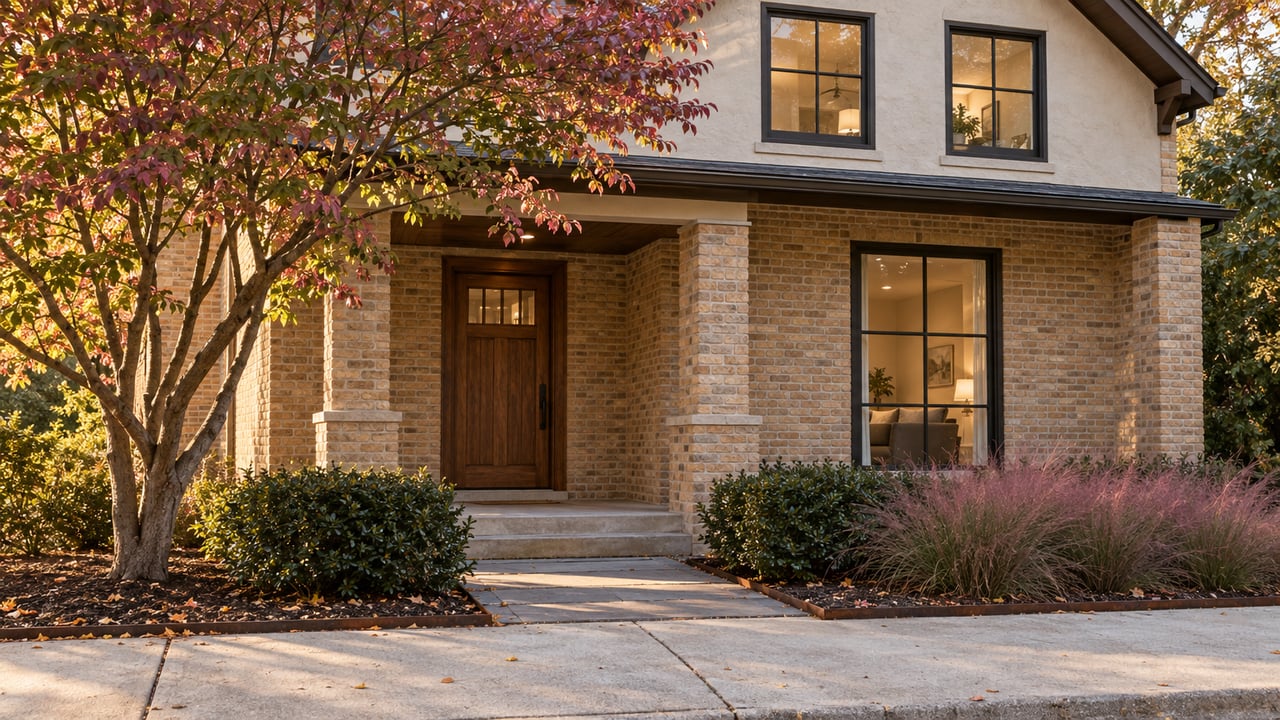
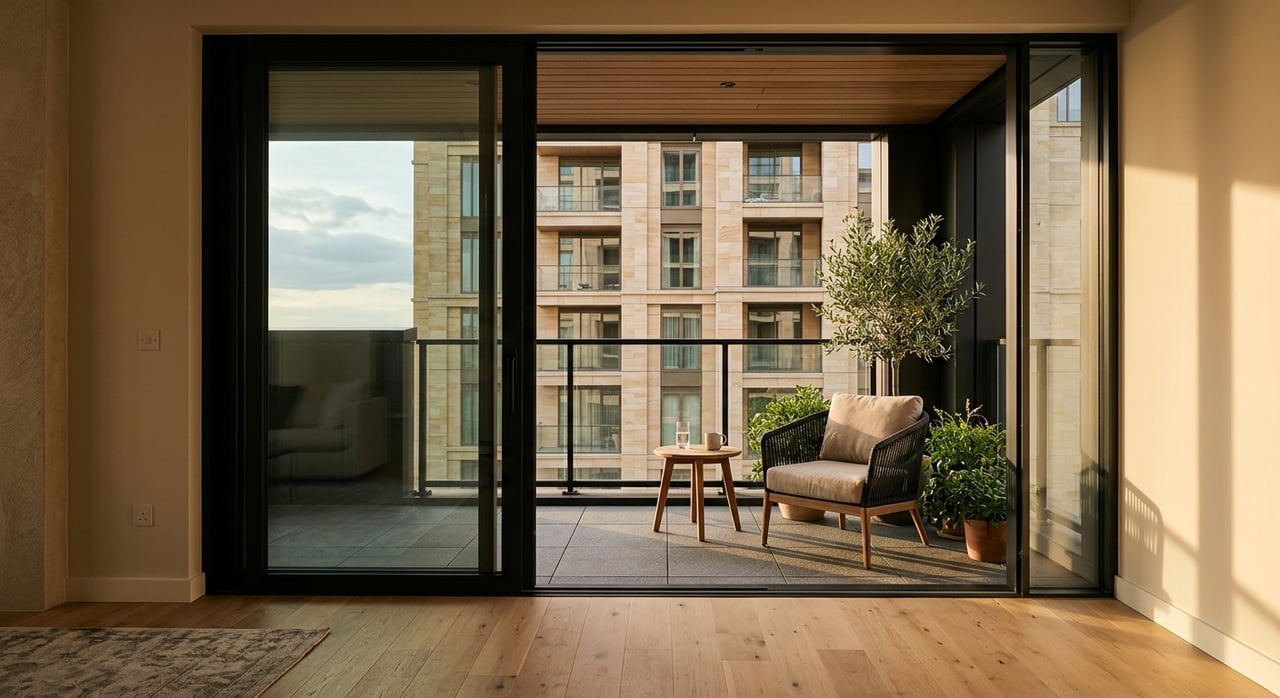
Downtown housing tends to support a lock-and-leave lifestyle. Examples highlighted by Downtown Fort Worth Inc. include Deco 969, a 27-story tower with 302 apartments, and Texas & Pacific Lofts, which offers condominium living in a historic terminal building and adjacent mid-rise.
That kind of inventory is usually a strong match if you want:
If your priority is convenience and access, downtown often checks those boxes better than a suburban neighborhood.
Downtown Fort Worth also offers the widest range of public transportation options in the area. Trinity Metro’s Blue Line is a free downtown circulator with service from 7 a.m. to 7 p.m. every seven minutes, and the Orange Line connects downtown and the Stockyards from 5 a.m. to 1 a.m., seven days a week.
You also have TEXRail service between downtown Fort Worth and DFW Airport Terminal B, plus TRE commuter rail service between Fort Worth and Dallas. Fort Worth Central Station acts as a hub for bus, train, bikes, and cabs, which makes downtown the strongest fit for buyers who want more than one transportation option.
That does not mean every downtown resident gives up a car. It does mean you may have more flexibility in how you move through the city.
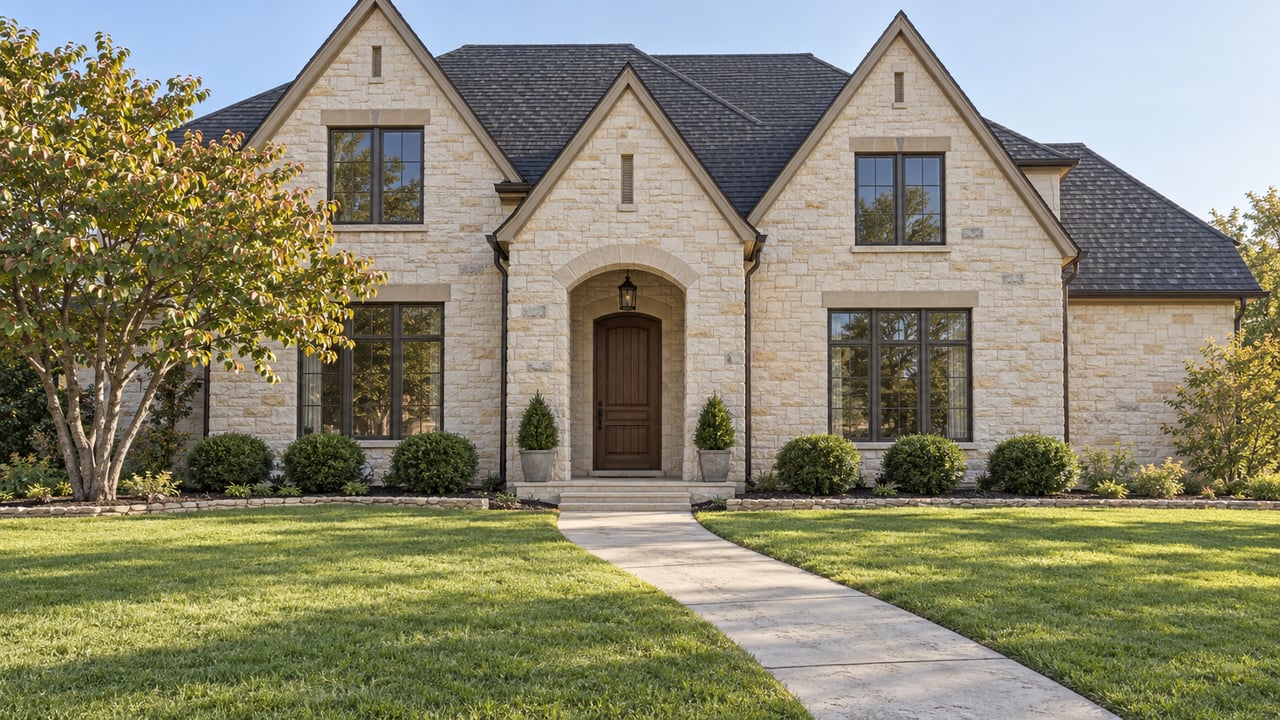
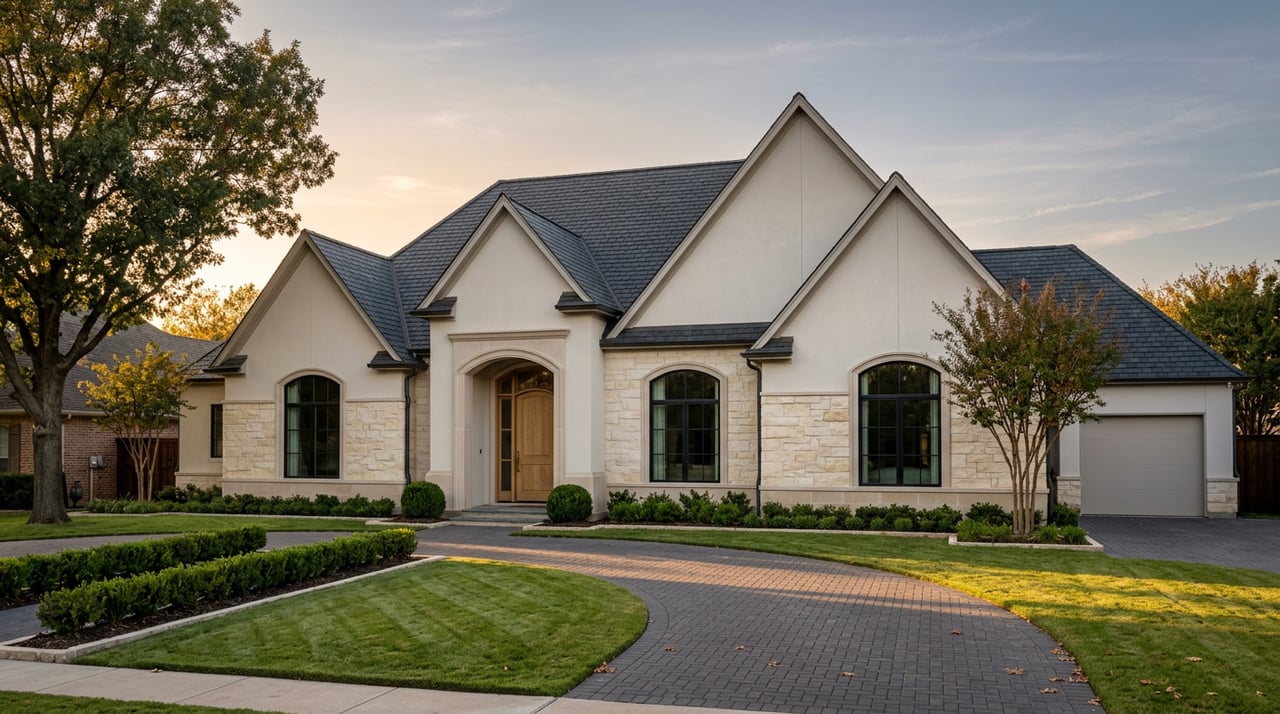
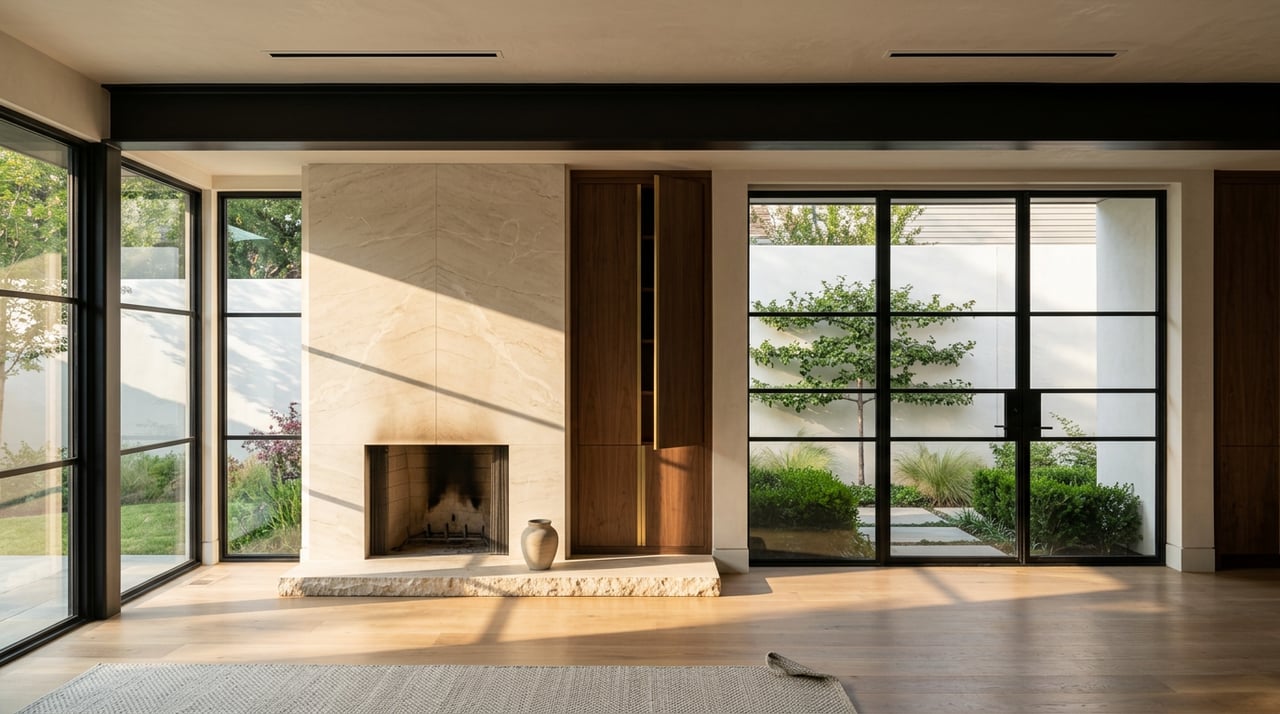
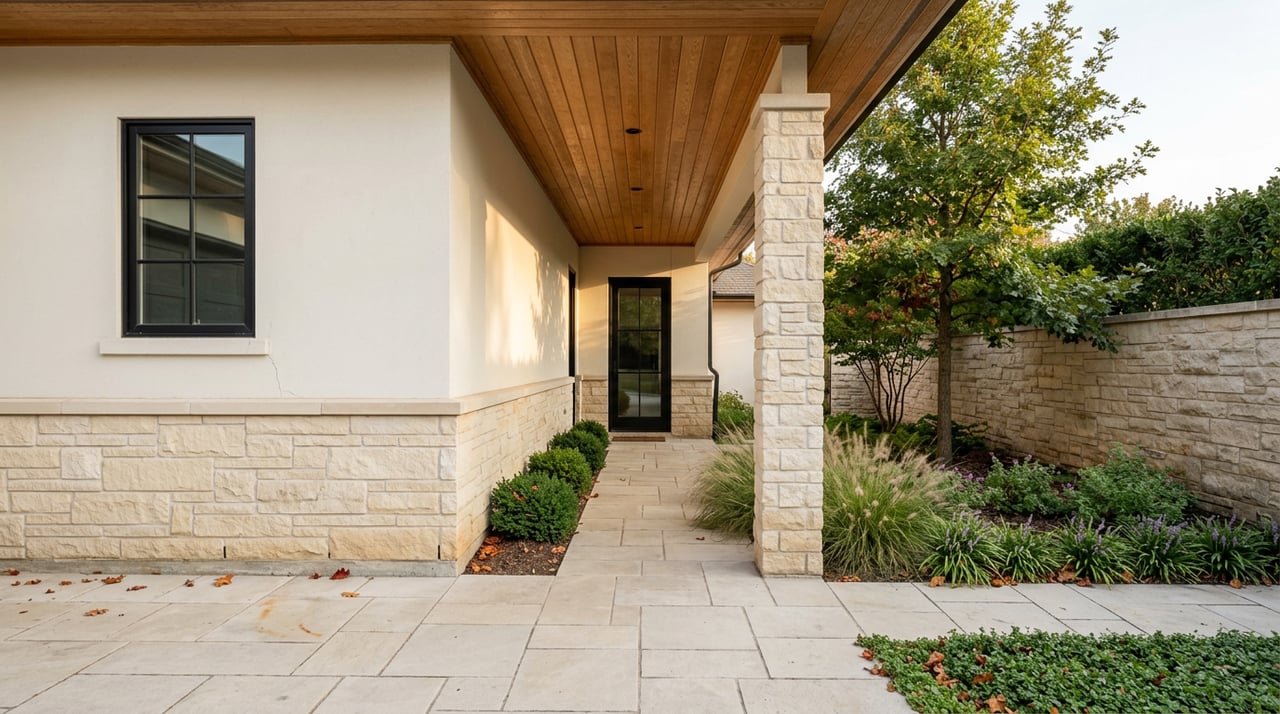
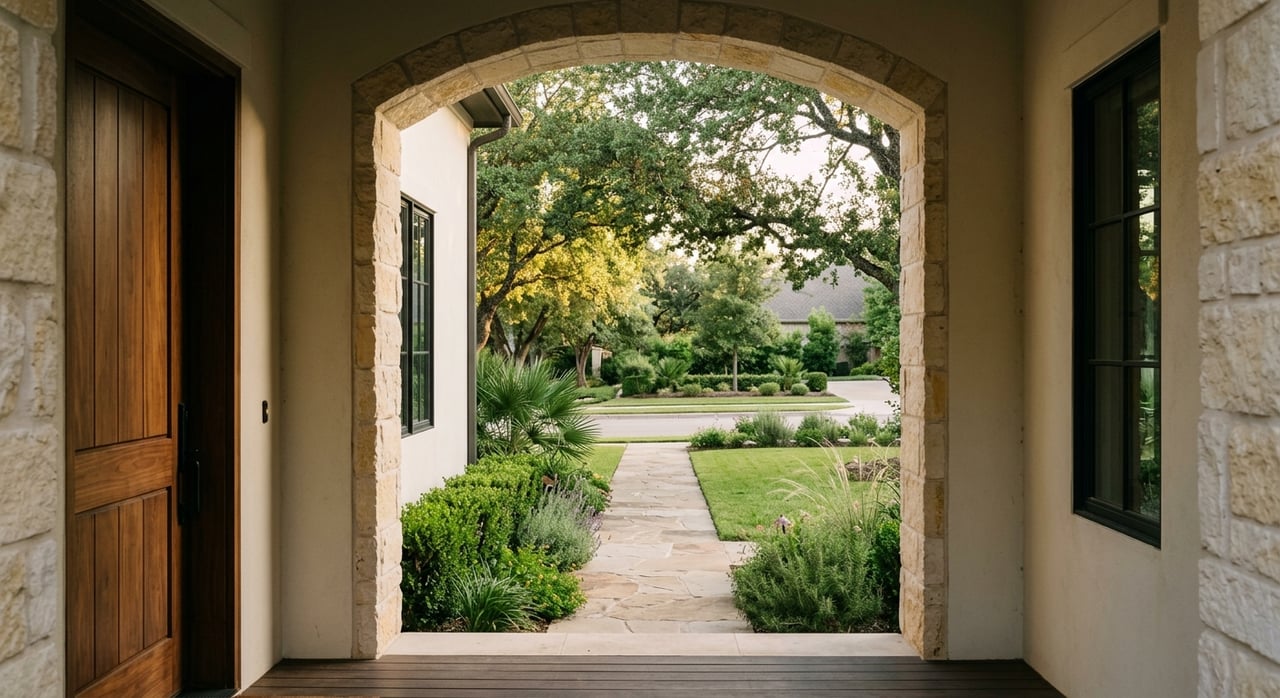
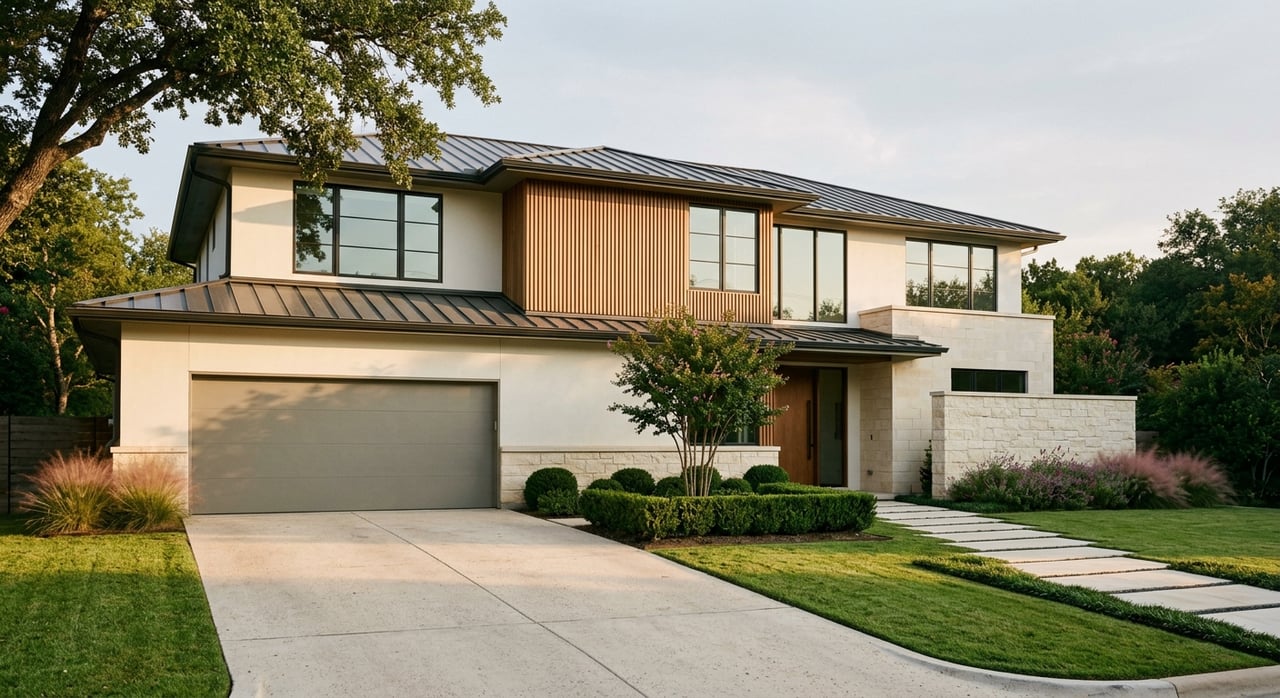
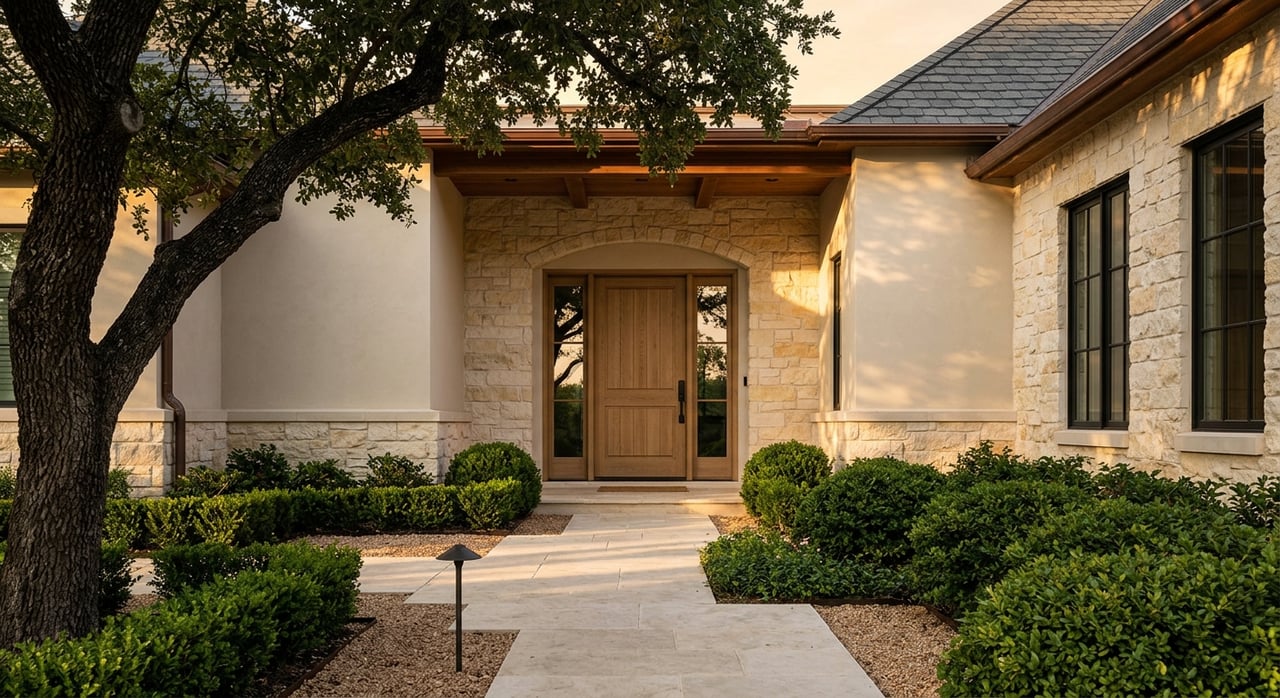
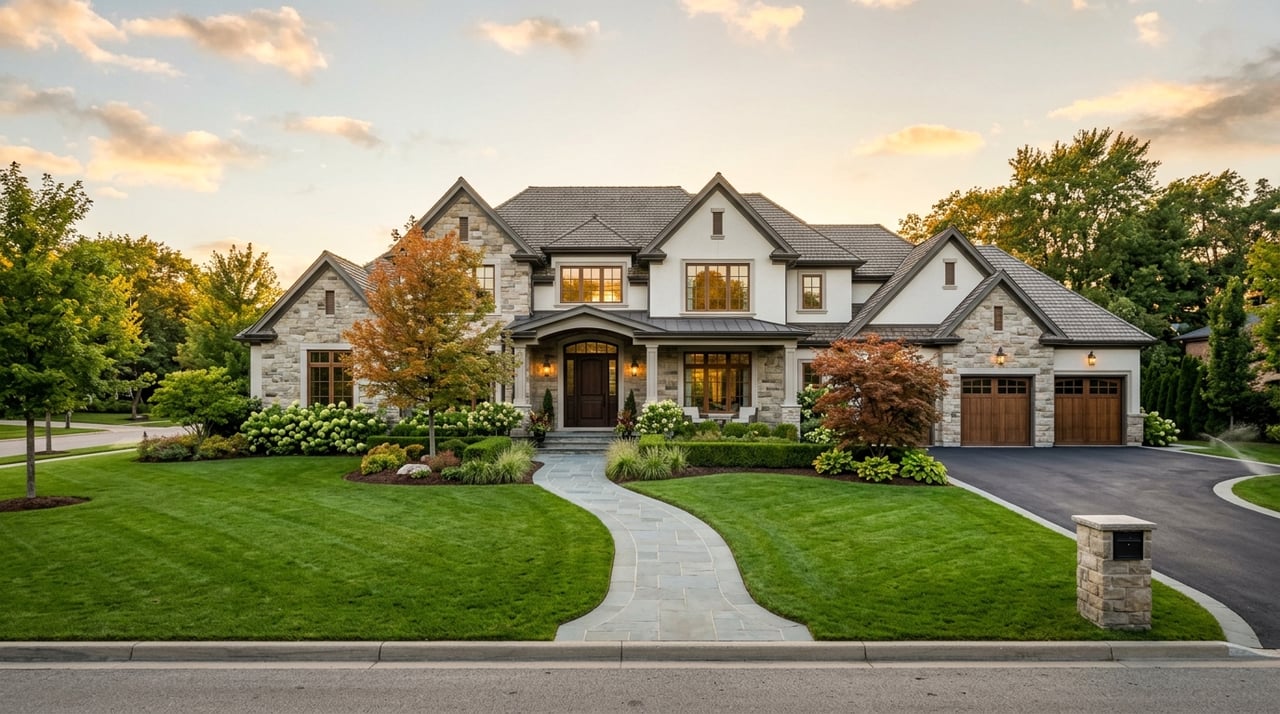
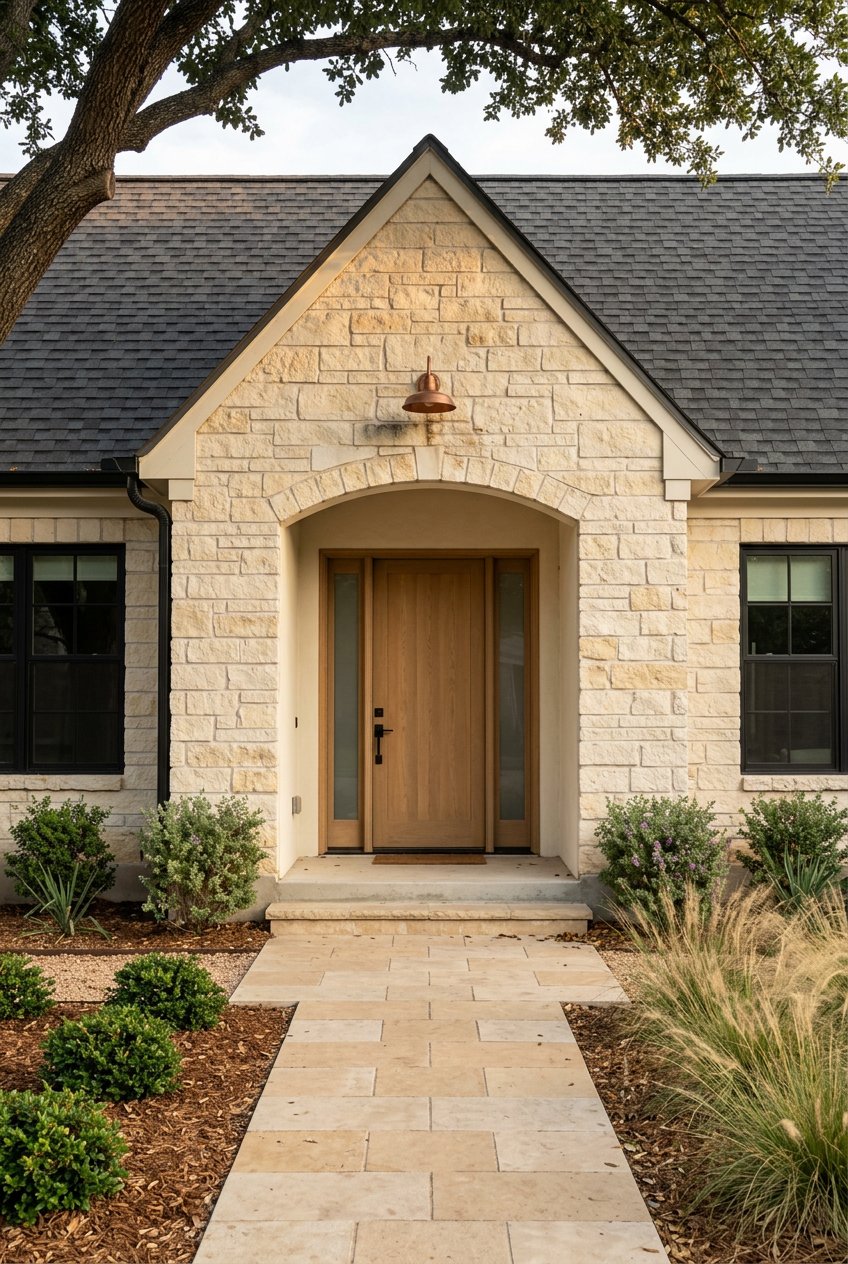
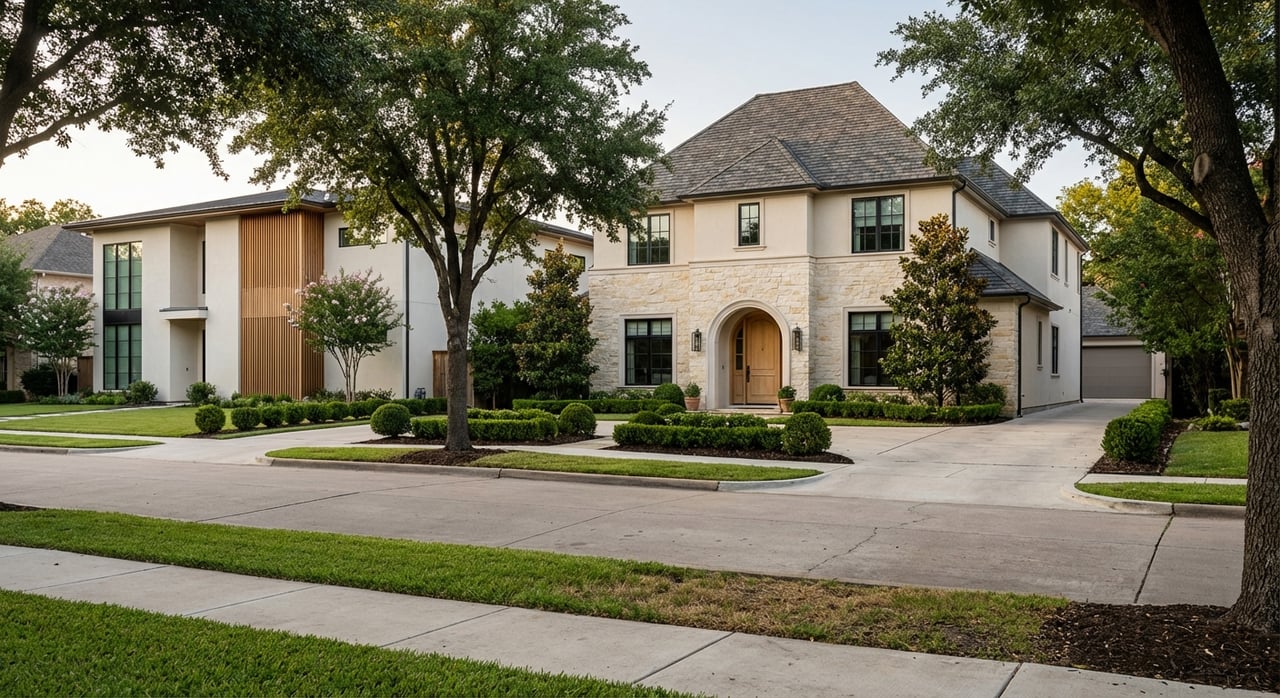
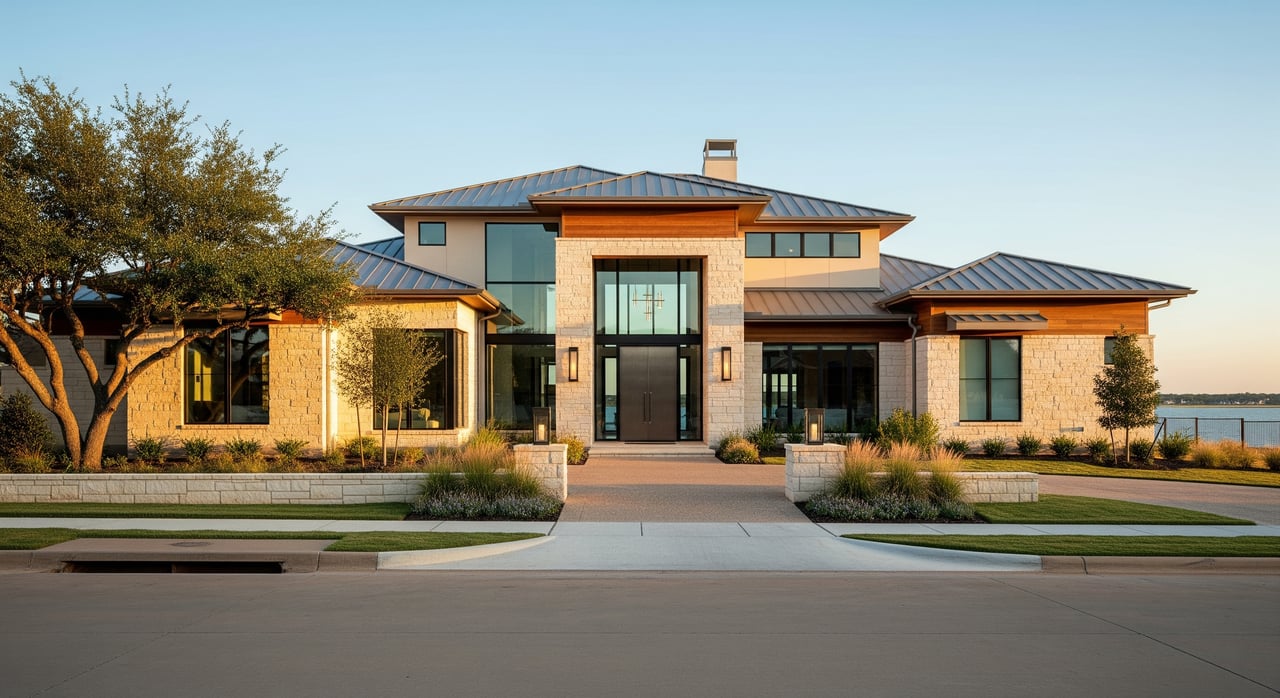
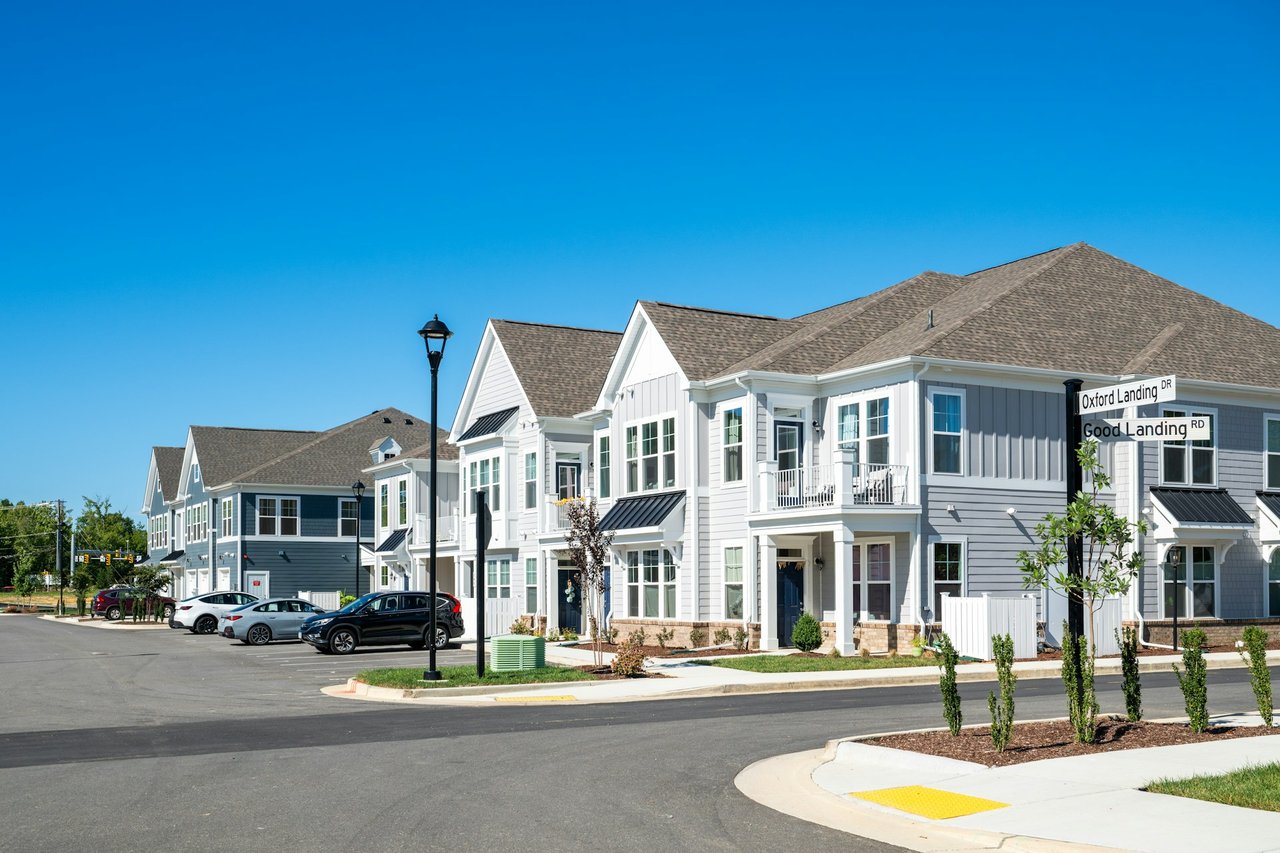
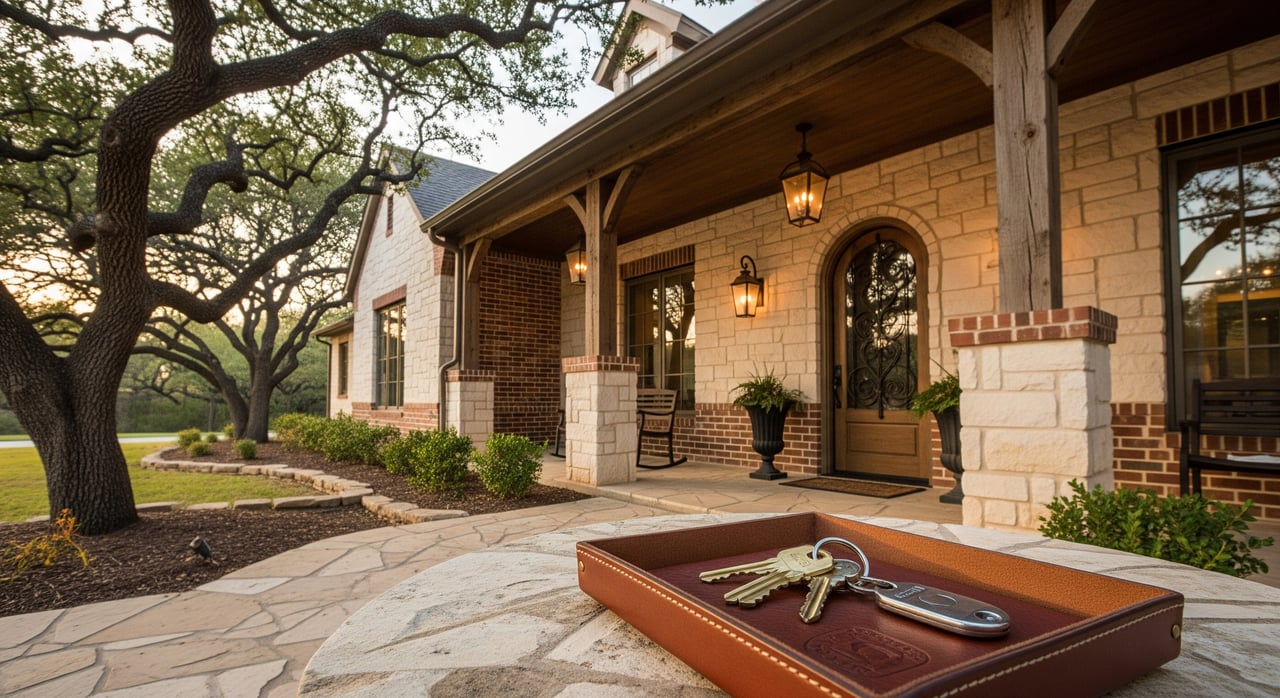
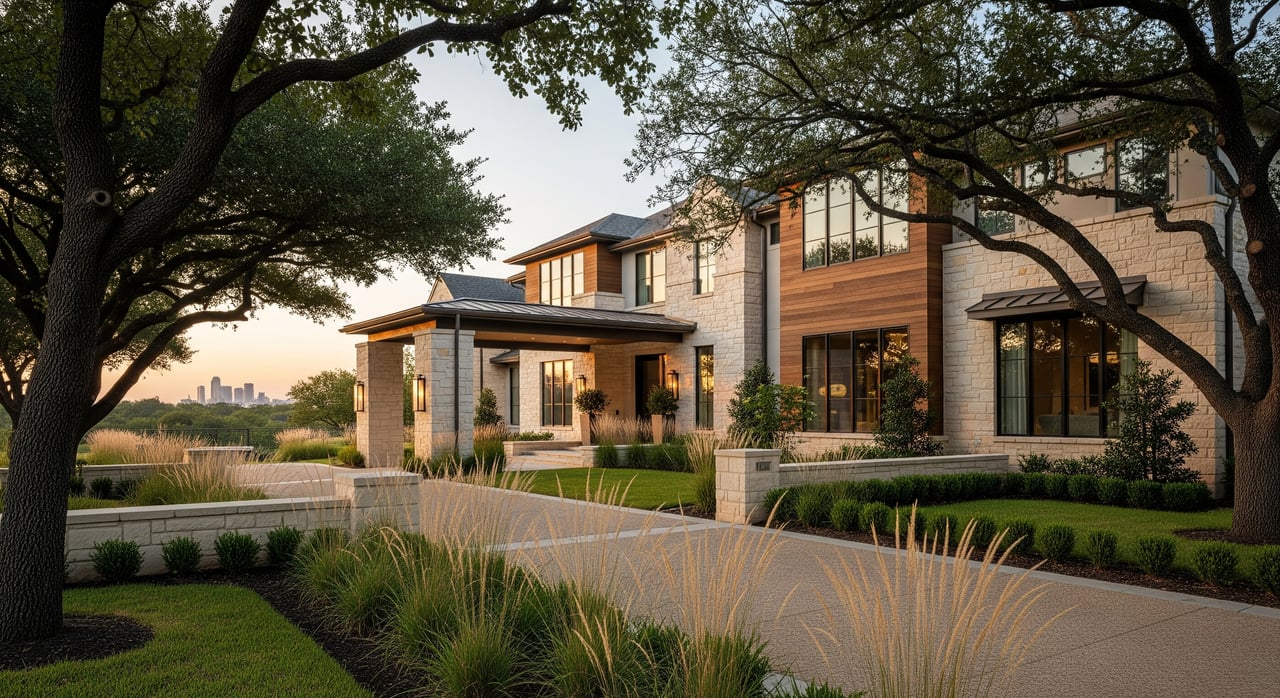
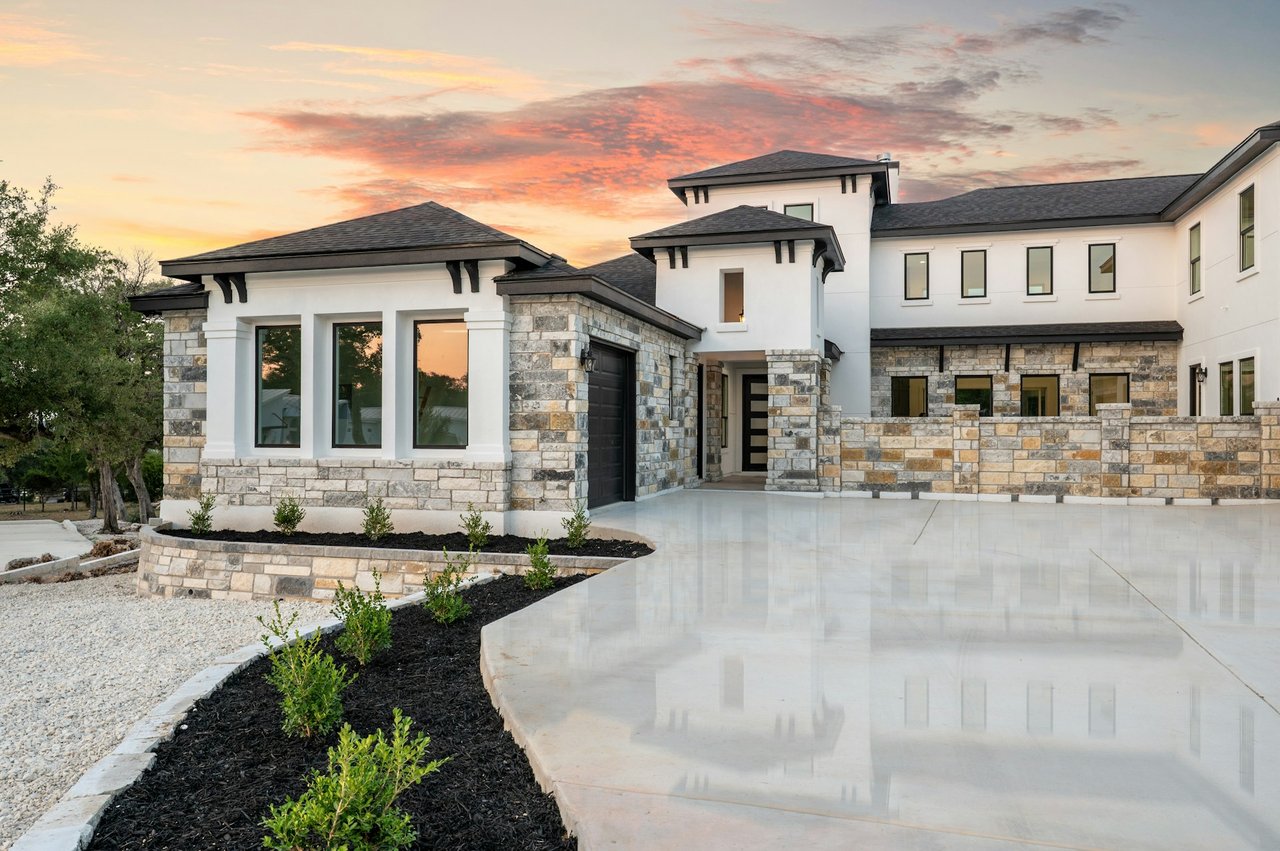
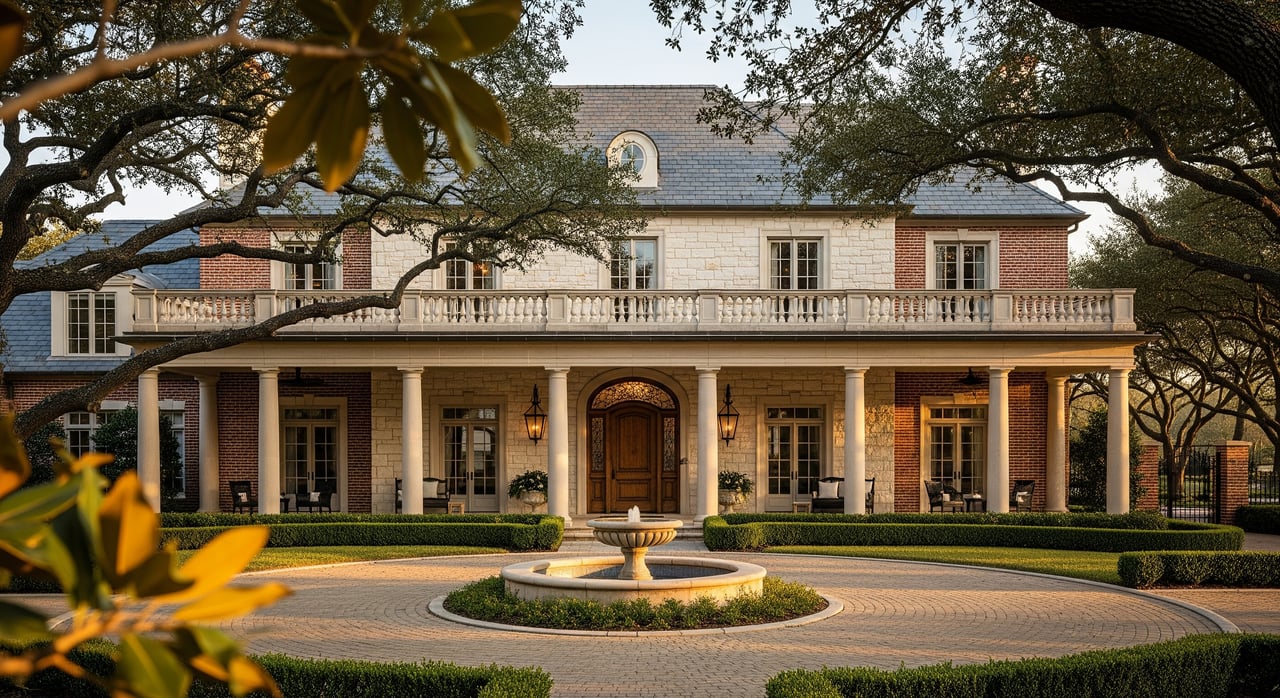
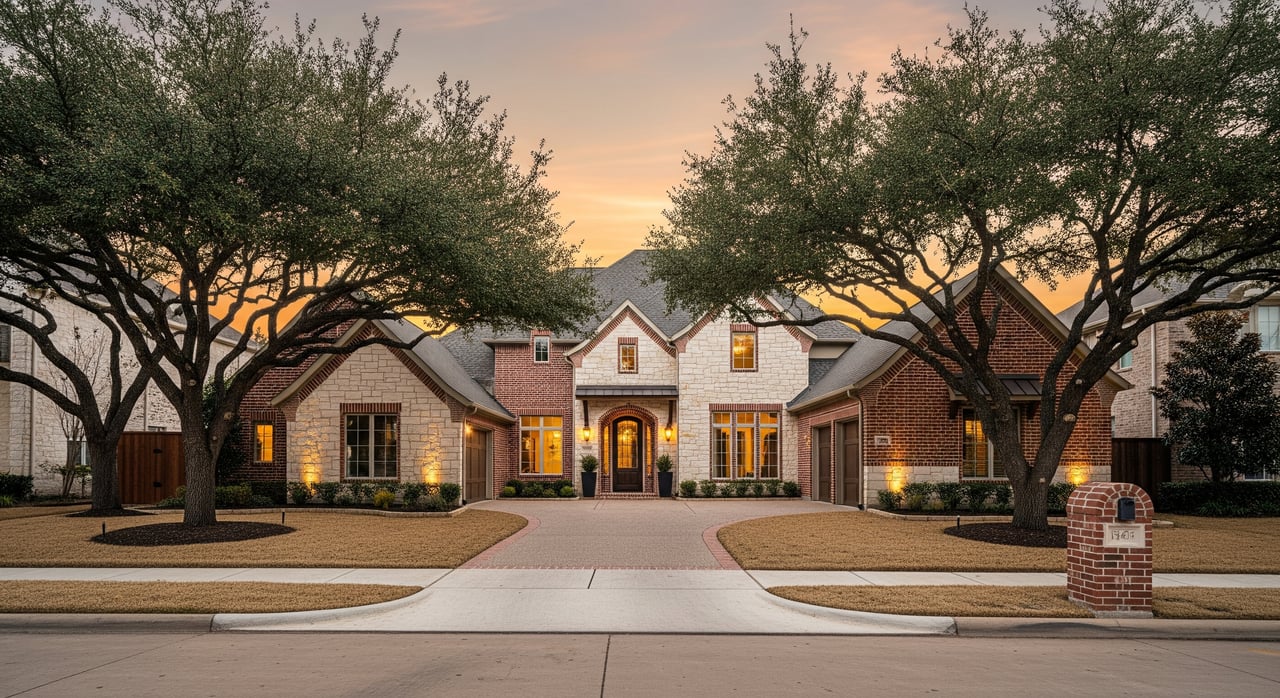
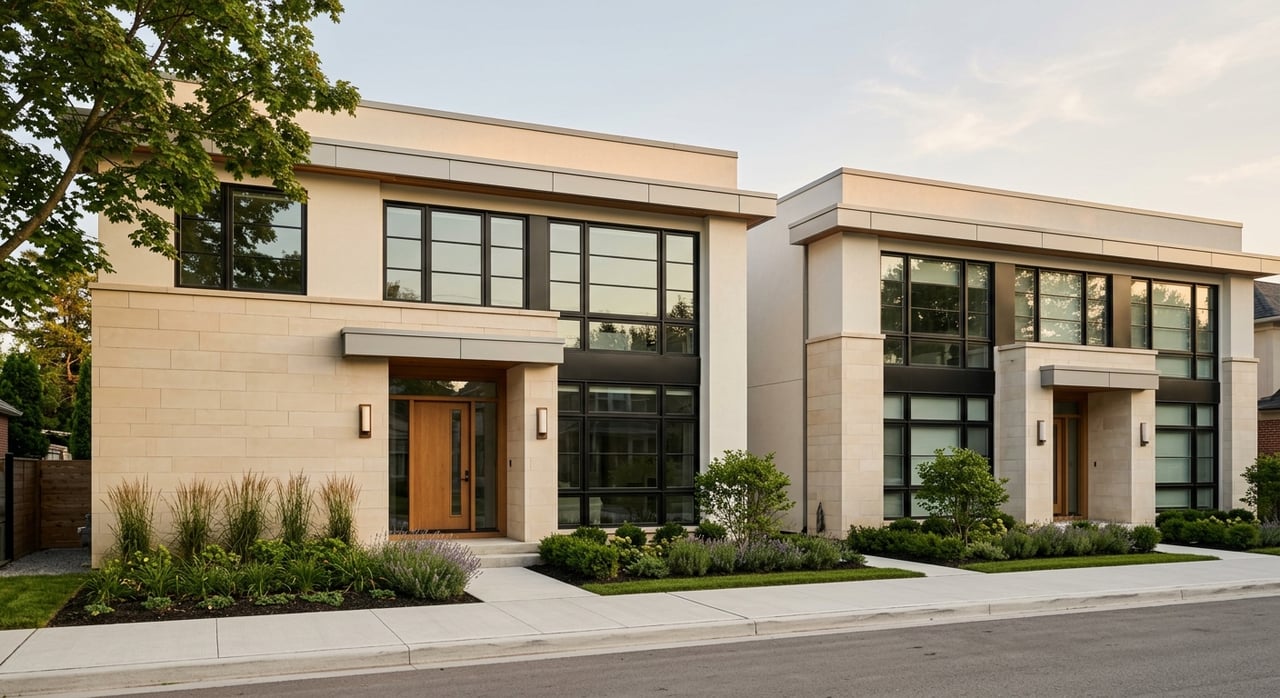
If your ideal home includes a larger footprint, more privacy, or a detached layout, the suburbs may offer a better day-to-day fit. In many Fort Worth-area suburbs, the housing pattern is still centered on single-family homes rather than vertical living.
Benbrook’s comprehensive plan, for example, says low-density residential is the predominant form of development, including detached single-family homes and larger-lot residential estates. Southlake planning documents similarly describe a history of automobile-oriented growth with large-lot single-family housing.
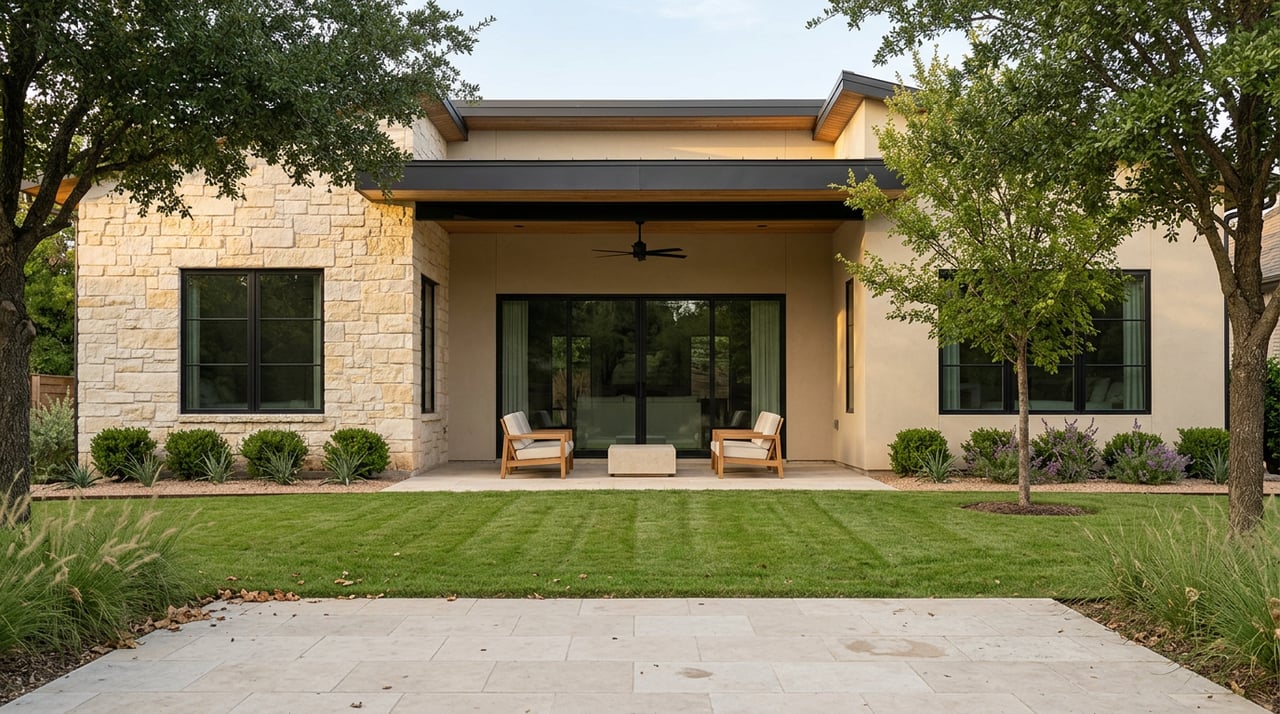
For buyers who want extra bedrooms, outdoor space, or more separation between homes, those patterns matter. The inventory itself often supports a different lifestyle than what you will typically find downtown.
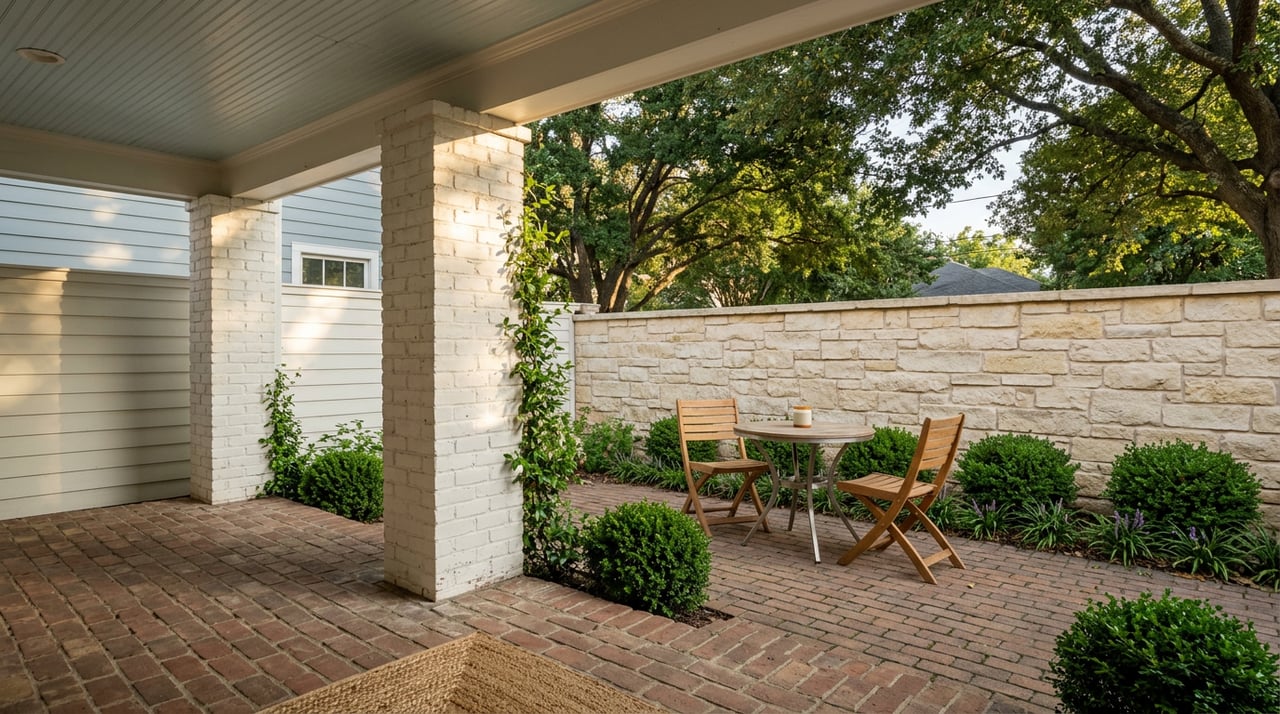
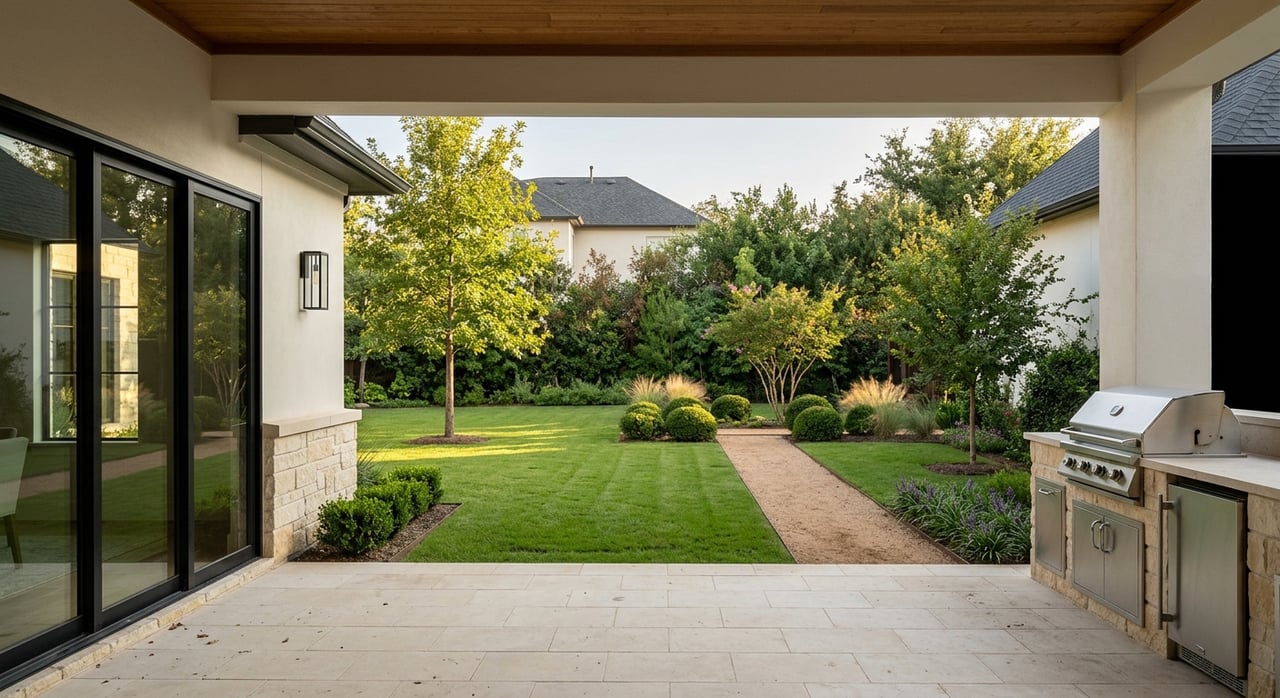
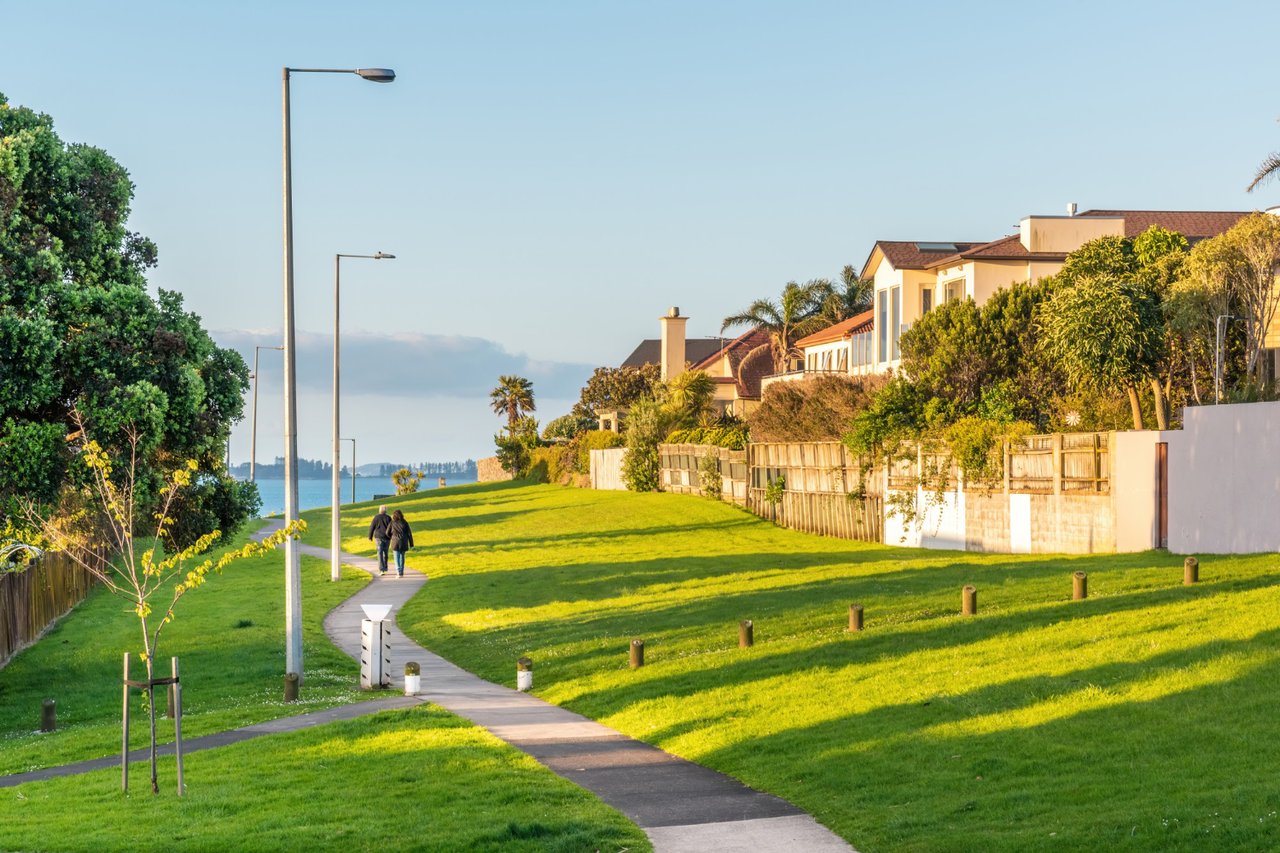
Suburban living often means your routine is more home-centered. You may spend more time driving to errands, activities, or restaurants, but in return you may gain more interior space, a yard, and a quieter setting.
That can be appealing if you are looking for:
Some suburbs also offer a blended experience. Southlake Town Square is a good example of a suburban town center with retail, dining, office, residential, and civic uses in one place, even though the broader city still developed in a more car-oriented pattern.
When buyers feel stuck between downtown and the suburbs, the real question is often about housing style. The type of home you want can quickly narrow the search.
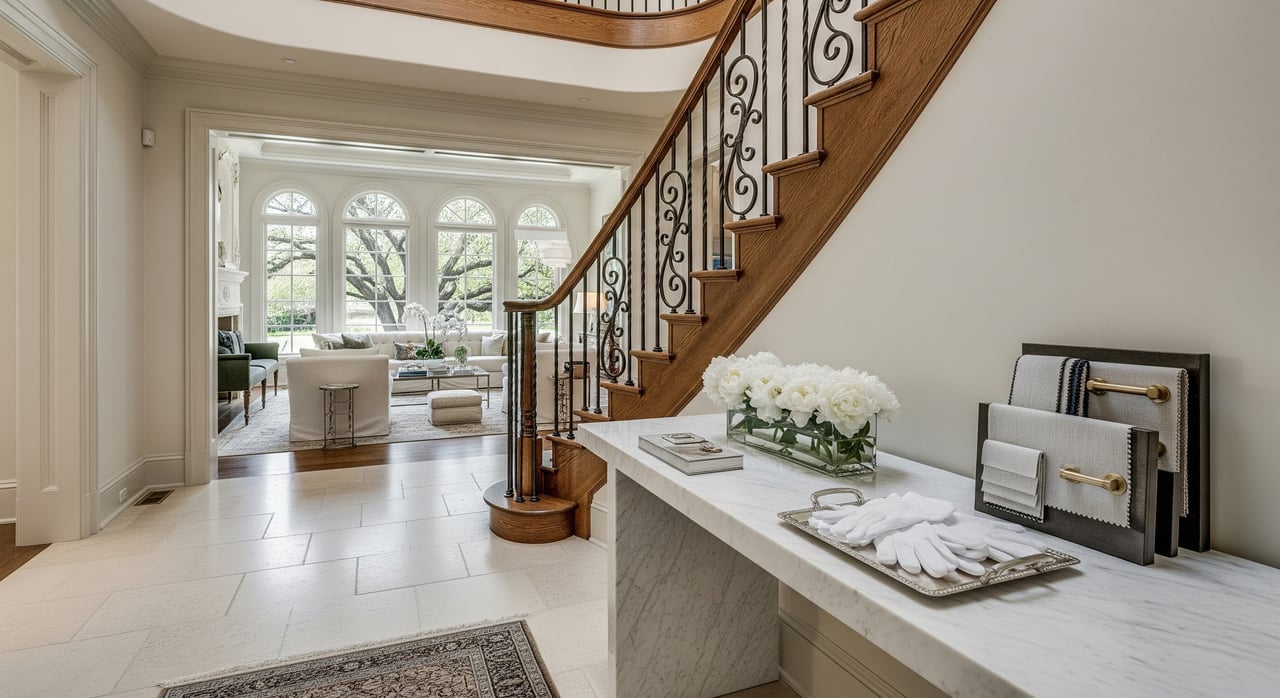
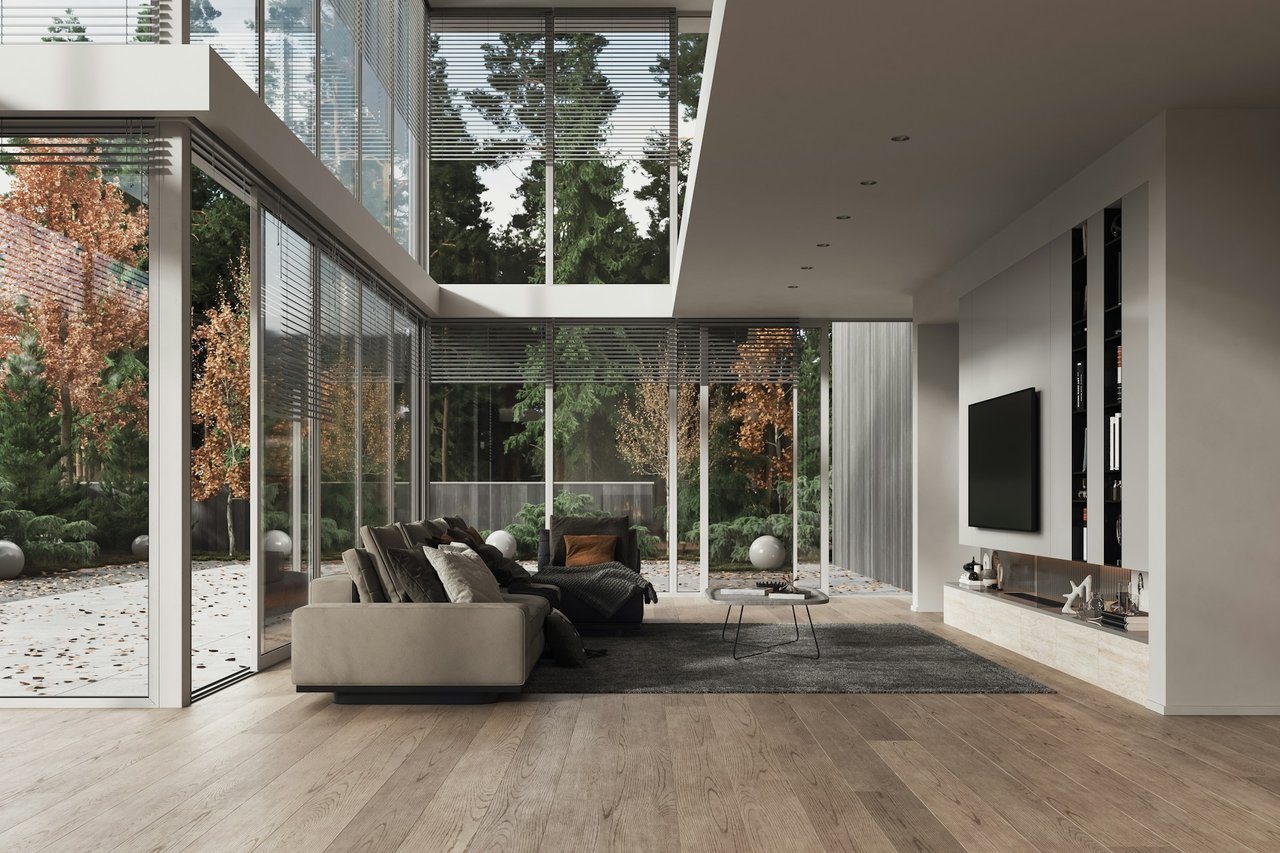
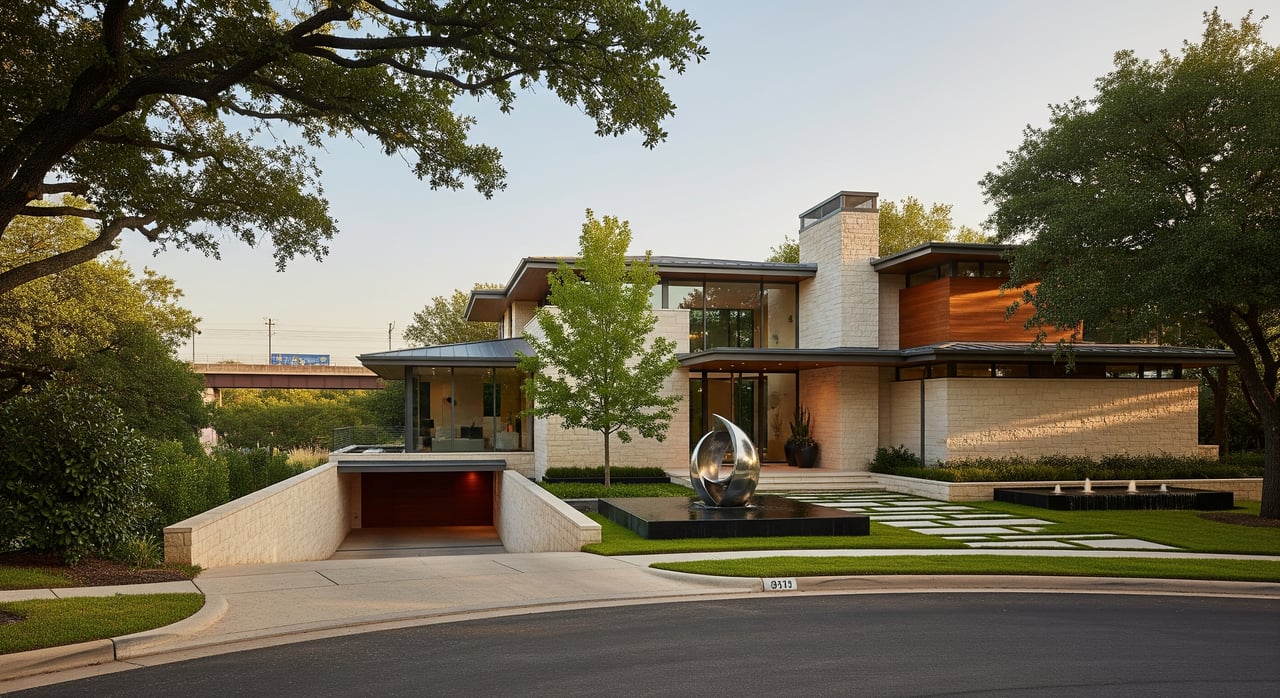
If you picture a high-rise view, concierge-style amenities, and minimal upkeep, downtown inventory is likely to align more naturally with that vision. If you picture a front yard, more storage, multiple living areas, or a larger lot, suburban options tend to offer more of that product.
This is one reason lifestyle-based searching can be so helpful. Instead of starting only with geography, it often makes sense to start with how you want to live and which home type supports that best.
Your daily routine may have as much influence on this decision as the home itself. A place can look perfect online and still feel wrong if the commute or transportation setup does not match your schedule.
According to the U.S. Census QuickFacts for Fort Worth, the city’s mean travel time to work is 26.4 minutes in the 2020 to 2024 estimate. That figure is only a broad baseline, but it helps set expectations when you compare different parts of the metro.
Downtown may work especially well if you want stronger transit access and more destinations close together. In many suburban areas, day-to-day life is still more dependent on driving for work, errands, and activities.
Before you choose a location, it helps to think through your routine honestly:
These answers often point clearly in one direction.
For many buyers, school geography shapes the search from the very beginning. In Fort Worth, district boundaries can have a major impact on where you focus.
The city’s comprehensive plan says Fort Worth ISD serves 46% of the land area inside city limits, while 14 adjoining independent school districts cover the rest. The same document notes that Fort Worth’s planning area touches 15 school districts and extends into five counties, which helps explain why school boundaries come up so often in local home searches.
That does not mean one area is automatically better than another. It does mean that if district boundaries matter to your household, you will want to filter early and verify location carefully.
Official district resources show how broad these service areas can be. Keller ISD’s map page notes that the district serves all or part of nine cities and covers more than 51 square miles. Carroll ISD identifies Southlake as its district base, and HEB ISD serves part of the mid-cities area.
In practical terms, many suburban buyers begin with a district filter and then narrow to neighborhoods and home types from there. If that sounds like you, the suburbs may offer a more natural starting point for your search process.
One of the easiest ways to test your ideal lifestyle is to picture your Saturday. Where do you want to spend your free time, and how do you want that experience to feel?
Downtown Fort Worth offers a dense mix of entertainment and activity. Sundance Square is a multi-block destination for dining, shopping, and events. The Fort Worth Stockyards add another major destination with twice-daily cattle drives, rodeo events, live entertainment, shops, and restaurants.
If outdoor access matters too, Trinity Park and the Trinity Trails system connect Fort Worth to many surrounding cities through more than 100 miles of paved trail. And for evening outings, downtown parking information from Visit Fort Worth notes that meters are free after 6 p.m. on weekdays and all day on weekends.
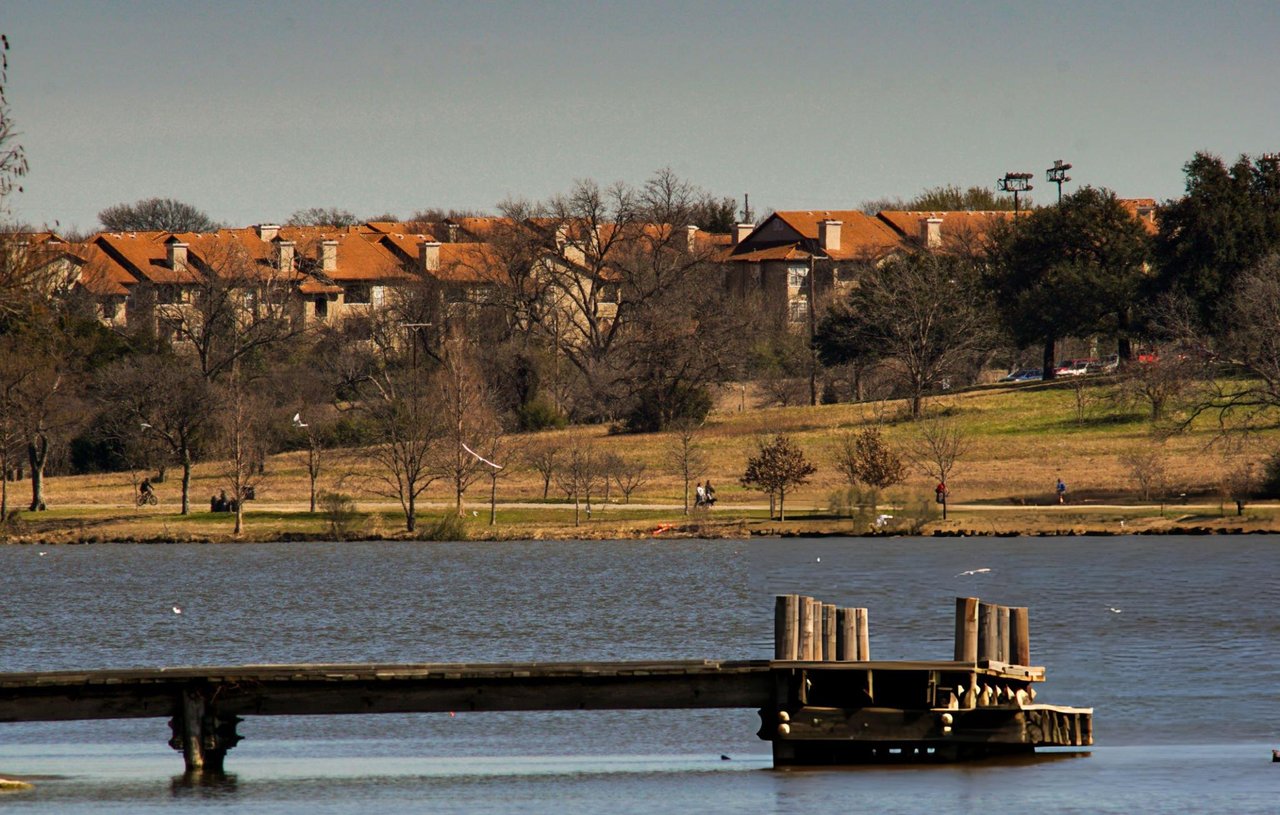
Suburban weekends often look different. Benbrook Lake offers boating, fishing, hiking, camping, birdwatching, and horseback riding, while local events like Heritage Fest and seasonal farmers markets add a community-centered rhythm. Southlake Town Square also hosts regular programming that supports a suburban town-center feel.
If you are still torn, focus on the lifestyle tradeoffs instead of trying to find a universal right answer. The best choice is the one that supports your actual routine, priorities, and housing goals.
Downtown Fort Worth may fit you best if you want walkability, transit access, restaurants, events, and low-maintenance housing. The suburbs may fit you best if you want more space, detached-home inventory, a district-focused search, and a quieter, more car-first routine.
There is also room for nuance. Some areas around Fort Worth offer a middle ground with bits of urban energy and suburban convenience, but they function as their own submarkets rather than a true replacement for either downtown or the outer suburbs.
If you want help narrowing the search based on your routine, housing goals, and preferred lifestyle, the team at J.Klefeker Group offers a white-glove, relationship-first approach designed to make the process feel clear and manageable from the start.