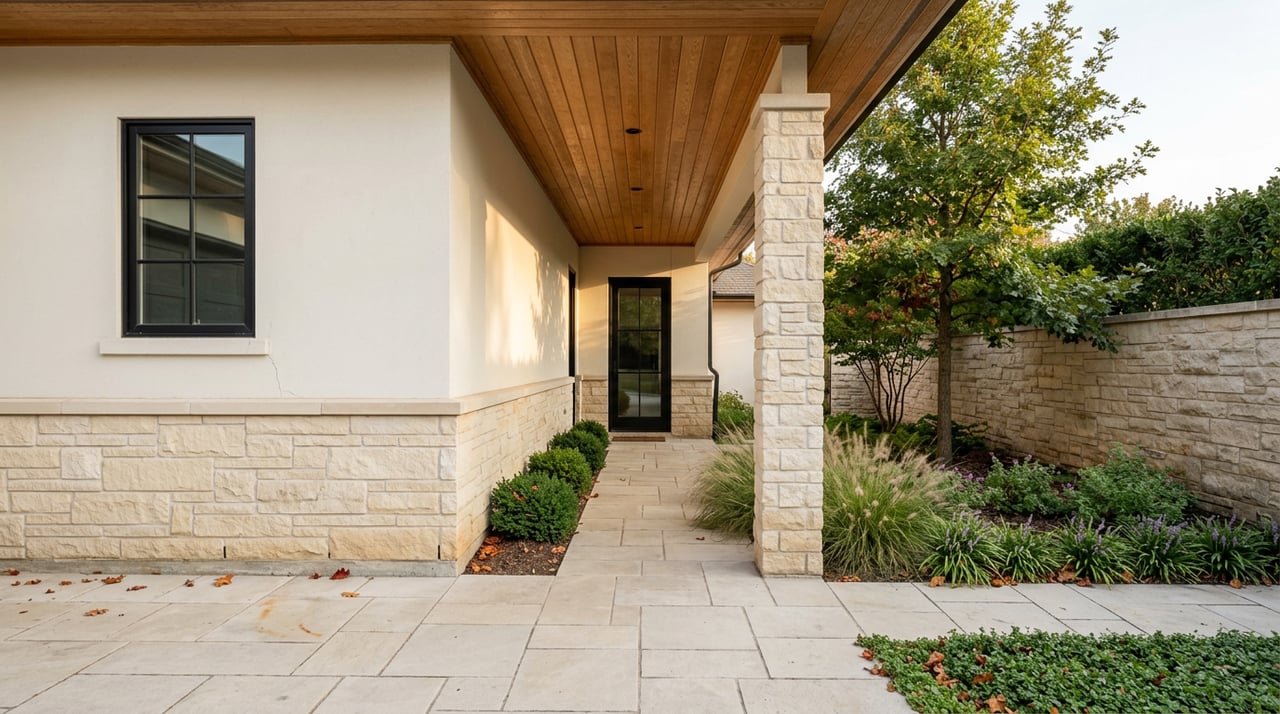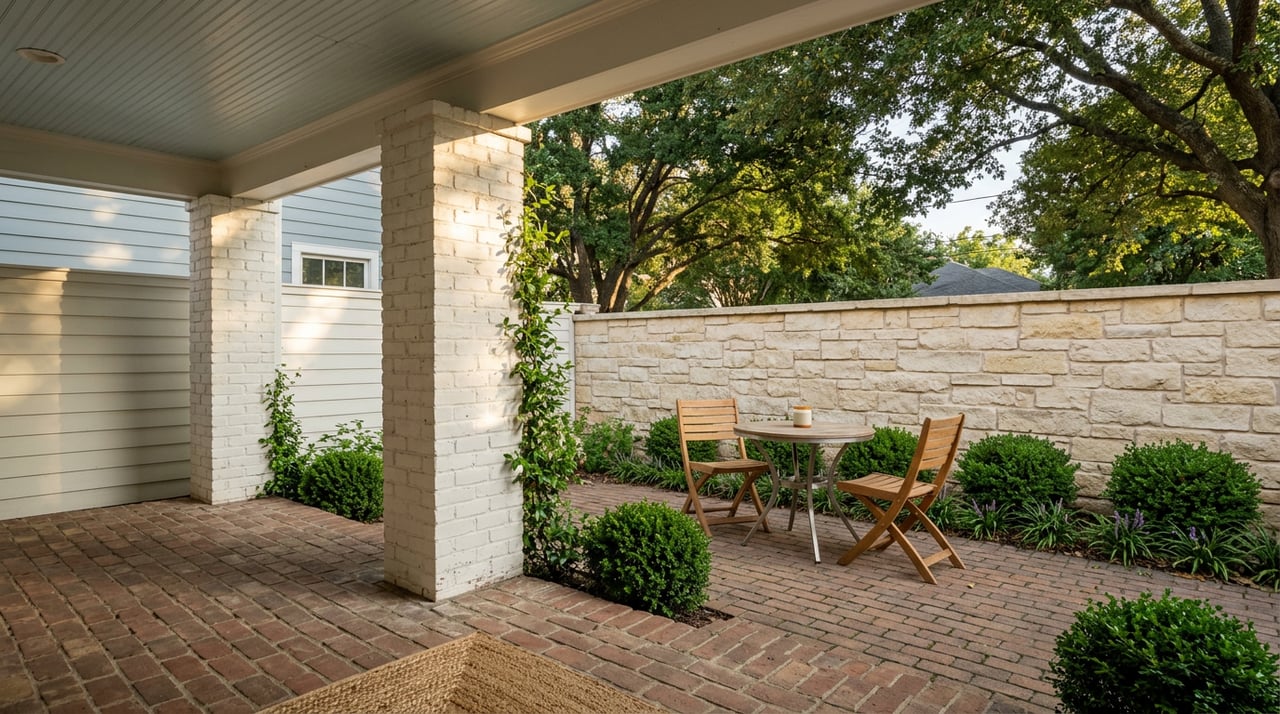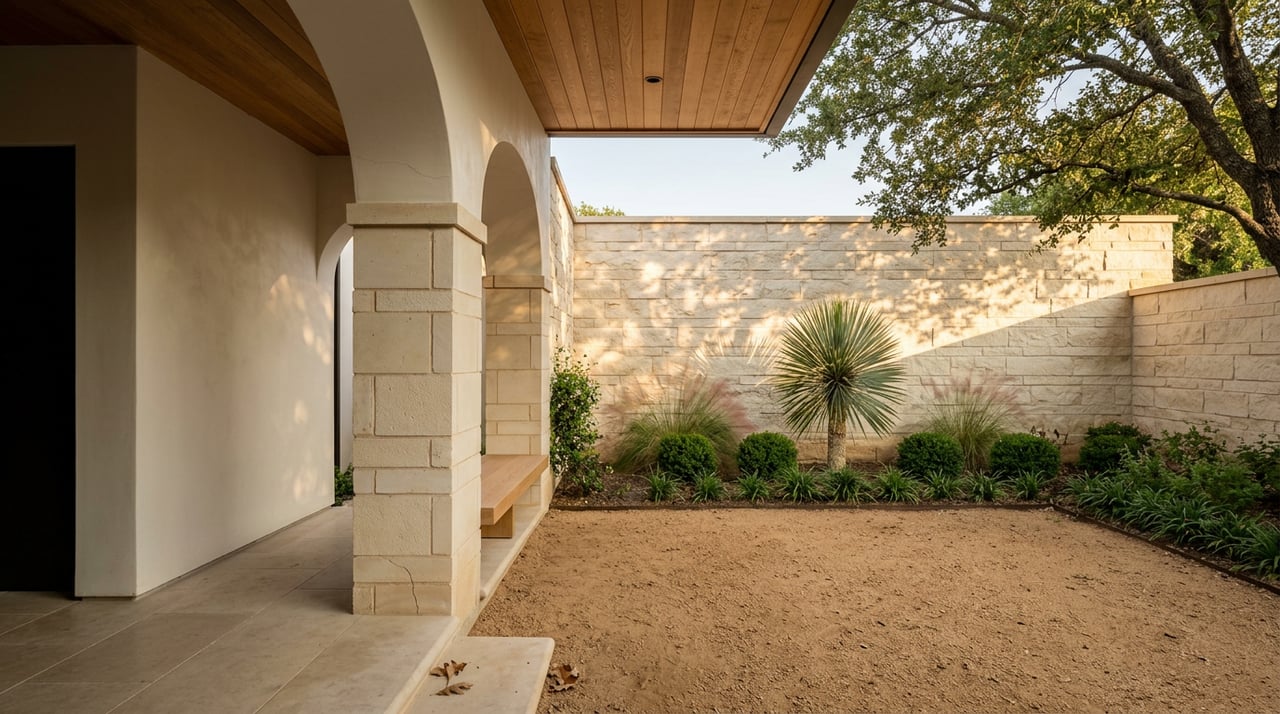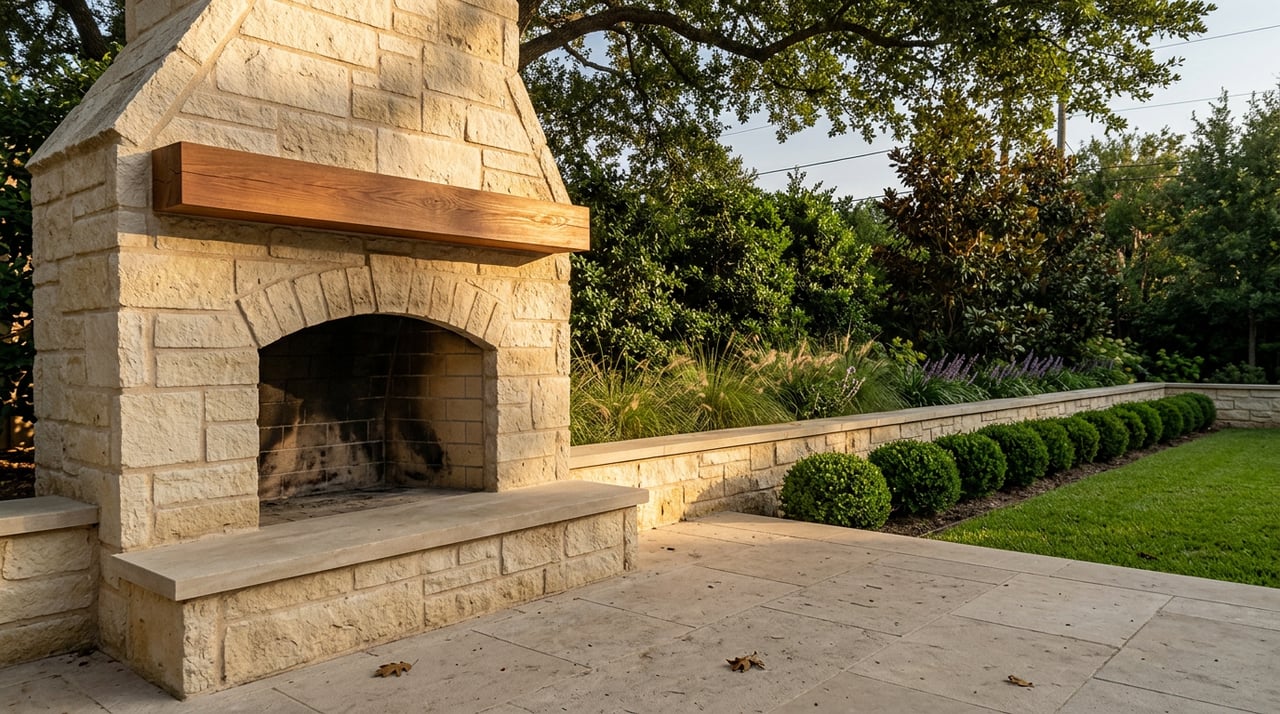
Choosing between a high-rise condo and a single-family home in Dallas is about more than square footage. You are really deciding how you want to live, what kind of monthly costs you can comfortably carry, and how much responsibility you want to take on as an owner. If you are weighing convenience against control, or skyline views against yard space, this guide will help you compare the tradeoffs clearly. Let’s dive in.
A high-rise condo and a single-family home may both get you into the Dallas market, but they work very differently once you own them. With a condo, you own your individual unit while the homeowners association manages shared areas, building systems, and many project-level decisions.
With a detached home, you typically have more direct control over the structure, yard, and future updates. That also means more responsibility for repairs and upkeep. In Dallas, it is also worth noting that HOA rules are not limited to condos, since the City of Dallas neighborhood map shows homeowners associations can also exist in subdivisions and planned communities.
For many buyers, the first big difference is entry price. According to Redfin’s Dallas market snapshot, the city had a median sale price of about $411,000 as of February 2026, while condo listings in Dallas had a median listing price near $250,000. That lower starting point is one reason condos stay on the radar for buyers who want an urban location without the price tag of many detached homes.
Dallas County MLS data from March 2025 shows an even sharper comparison. The median sale price was $260,000 for condos versus $388,500 for single-family homes. In simple terms, condos can offer a lower barrier to entry, while single-family homes often require a larger upfront budget.
The price on the listing is only part of the story. Your monthly carrying cost can look very different depending on which property type you choose.
For condos, monthly HOA dues are a major part of the equation. The Consumer Financial Protection Bureau notes that HOA dues are usually paid separately from your mortgage, and they can range from a few hundred dollars to more than $1,000 per month depending on the community and building.
For single-family homes, you may avoid a large condo-style HOA fee, but you are more likely to take on direct costs for landscaping, exterior maintenance, and major repairs. Property taxes in Texas are also assessed locally, not at the state level, so your tax bill depends on the exact address and taxing jurisdictions, not simply whether you own a condo or a house, according to the Texas Comptroller.
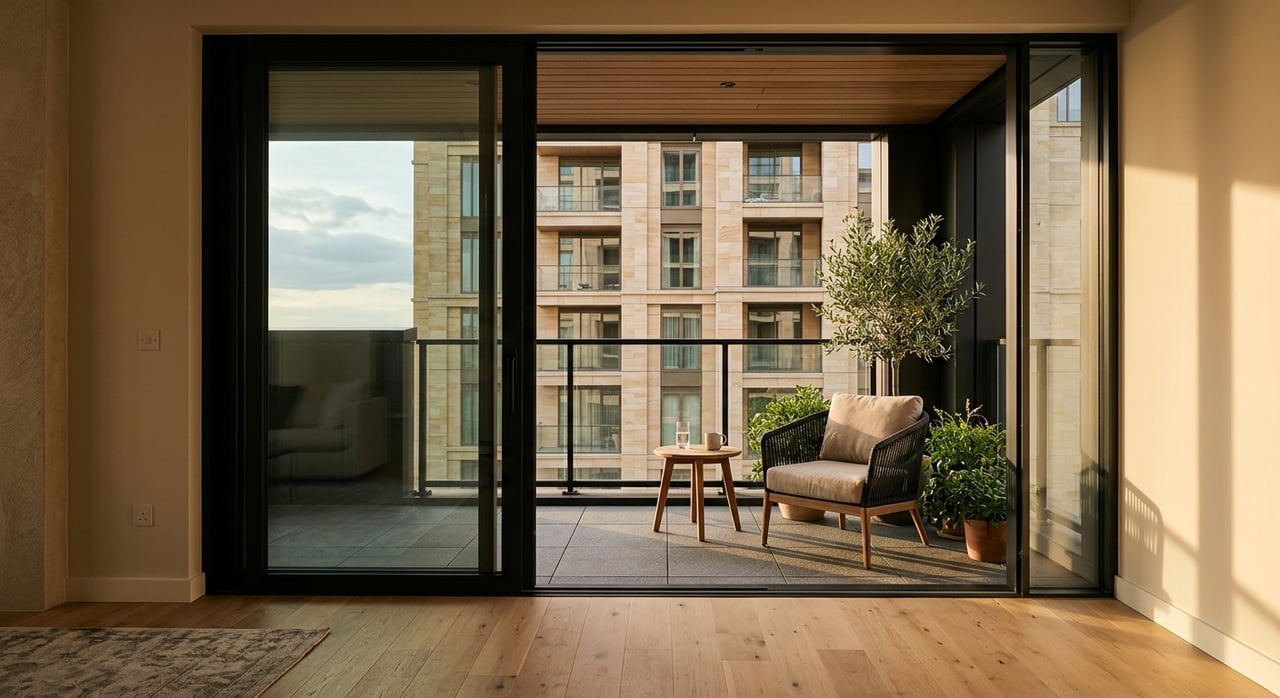
High-rise condo living often appeals to buyers who want less exterior upkeep and a more lock-and-leave lifestyle. If you travel often, work near the urban core, or simply do not want to spend weekends handling yard work and home maintenance, a condo may feel easier to manage.
In Dallas, condo and high-rise inventory is concentrated in the urban core. The City of Dallas describes Downtown as the central business district and notes that Uptown is the city’s most dense neighborhood, with more high-rise residential development anticipated. Areas such as Uptown, Victory Park, Oak Lawn, and the Arts District are commonly associated with walkability, skyline views, and easier access to central Dallas destinations.
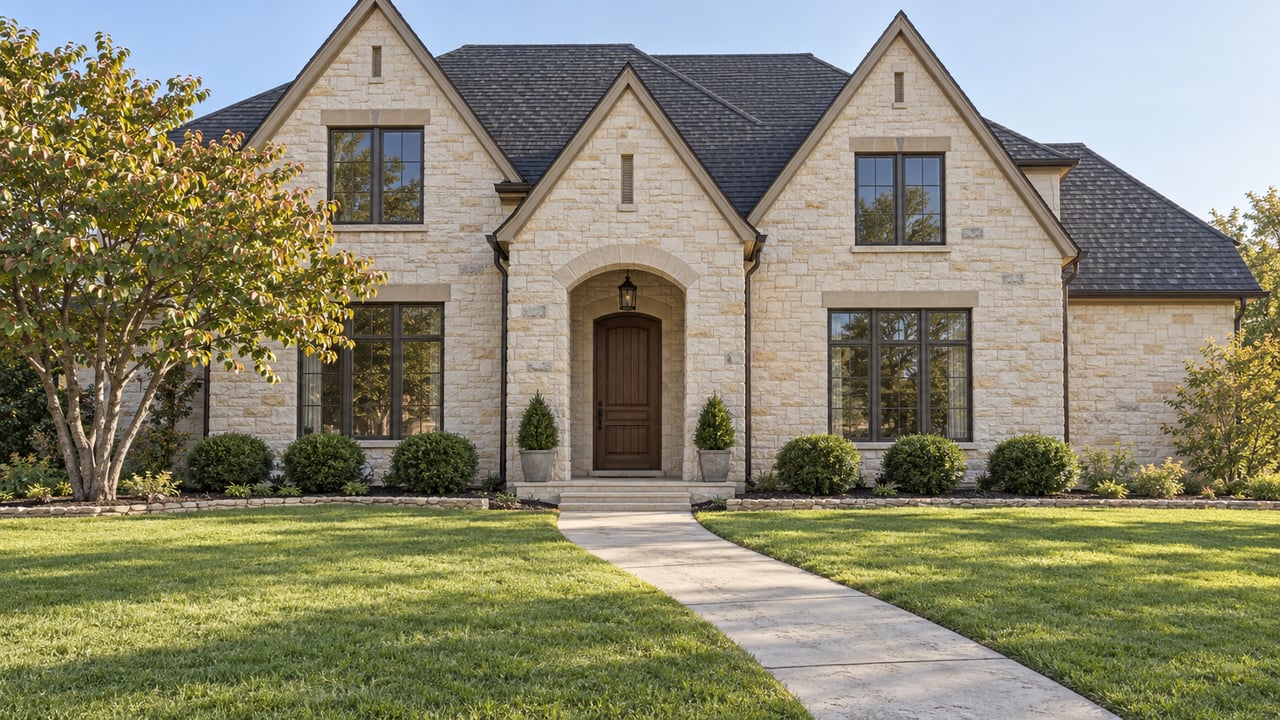
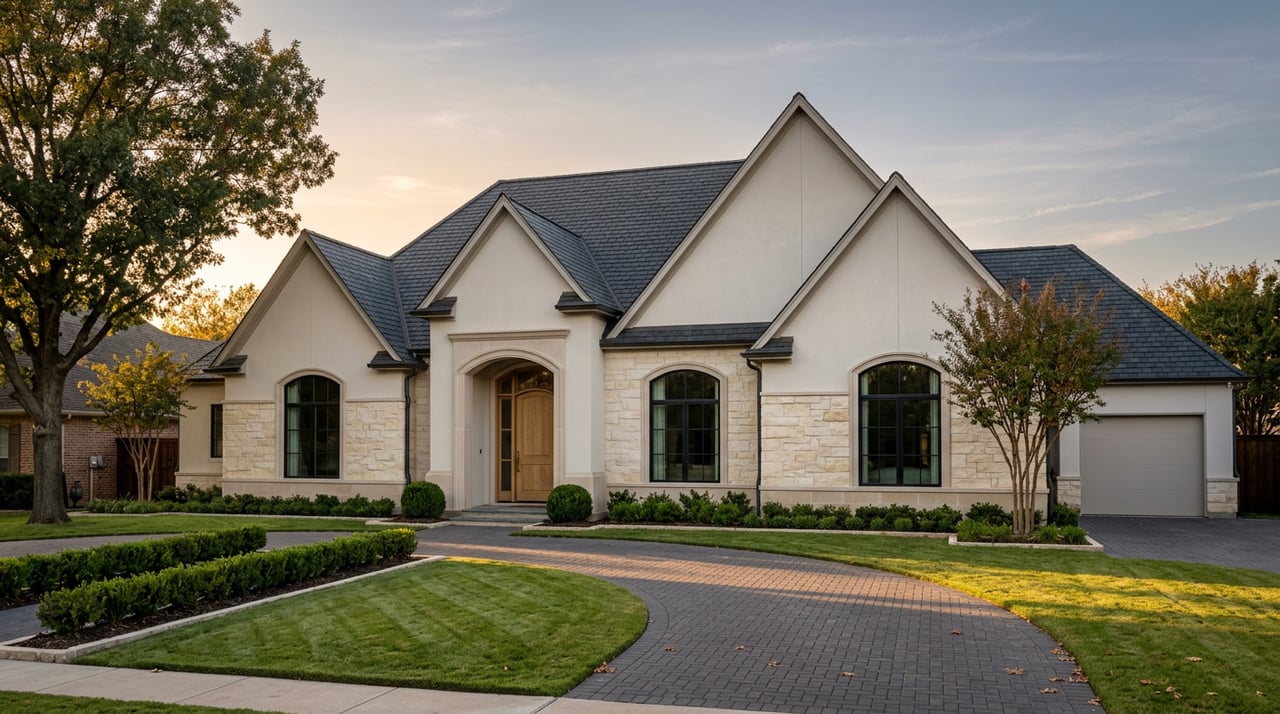
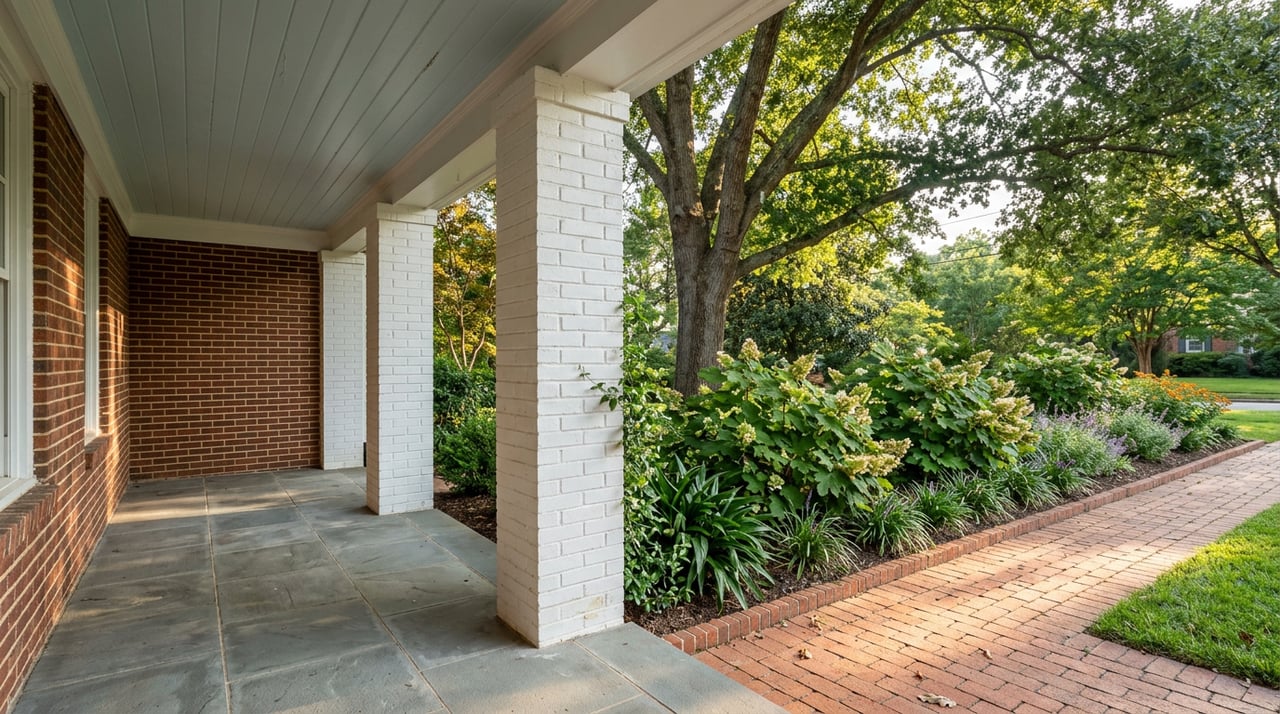
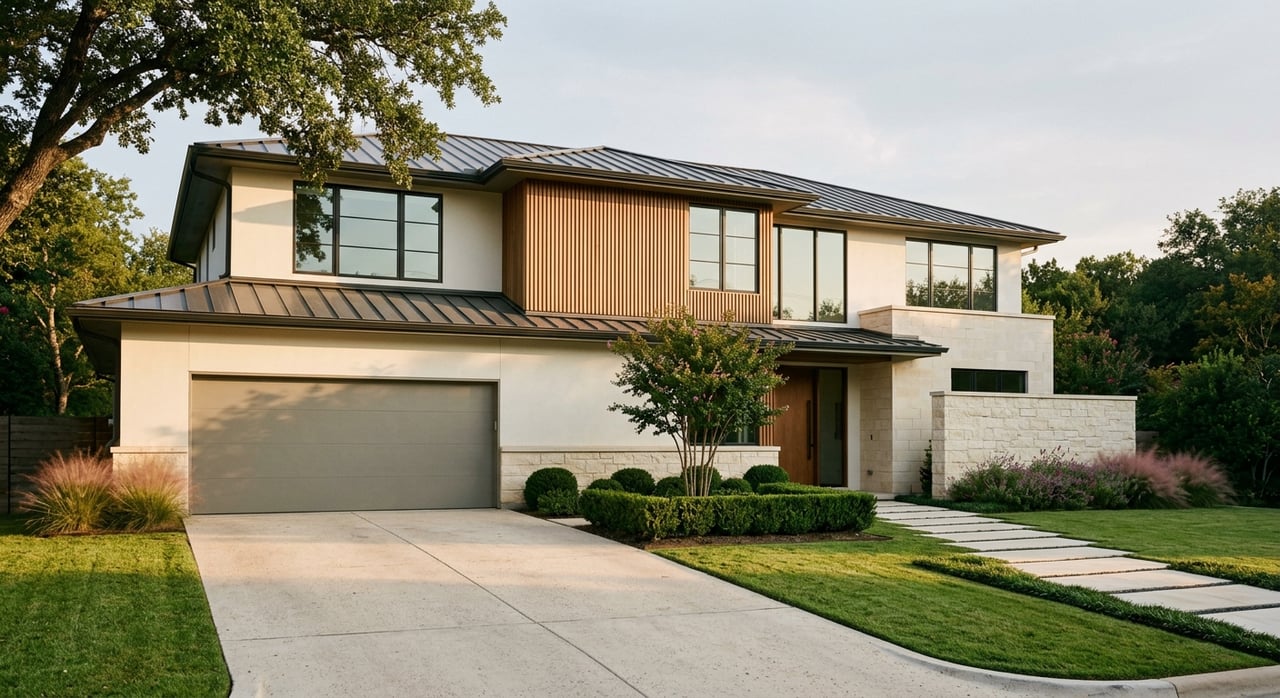
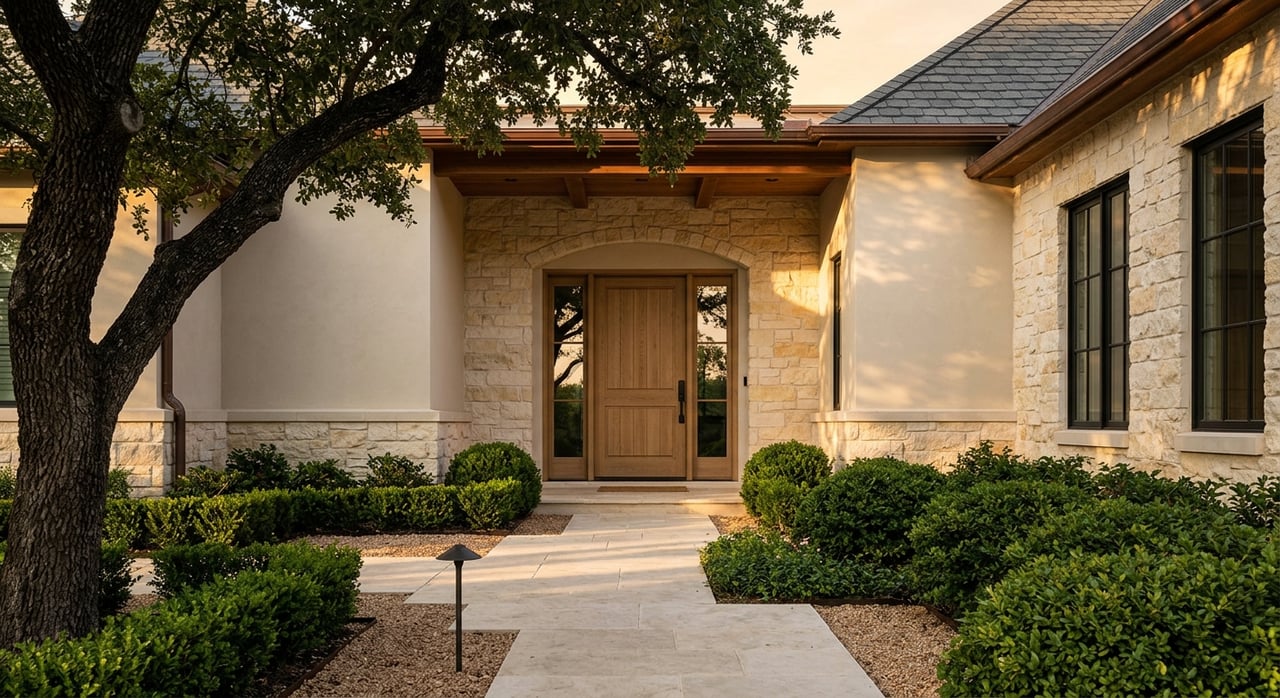
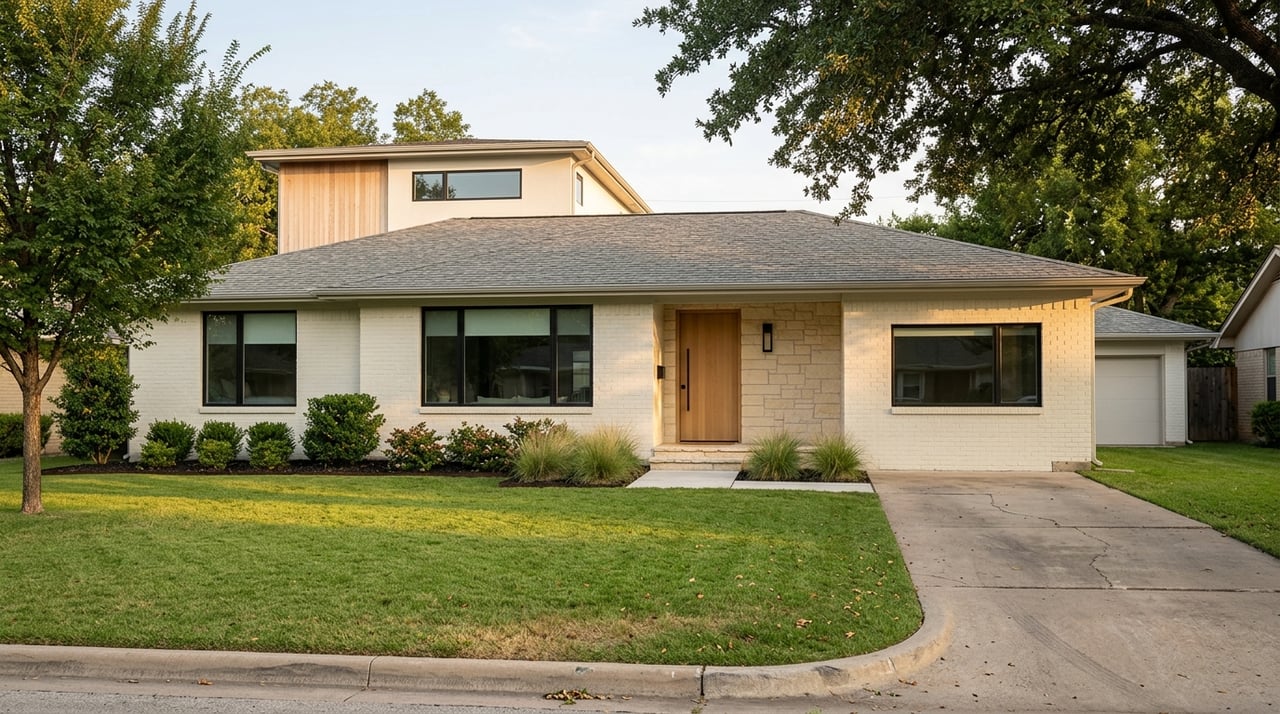
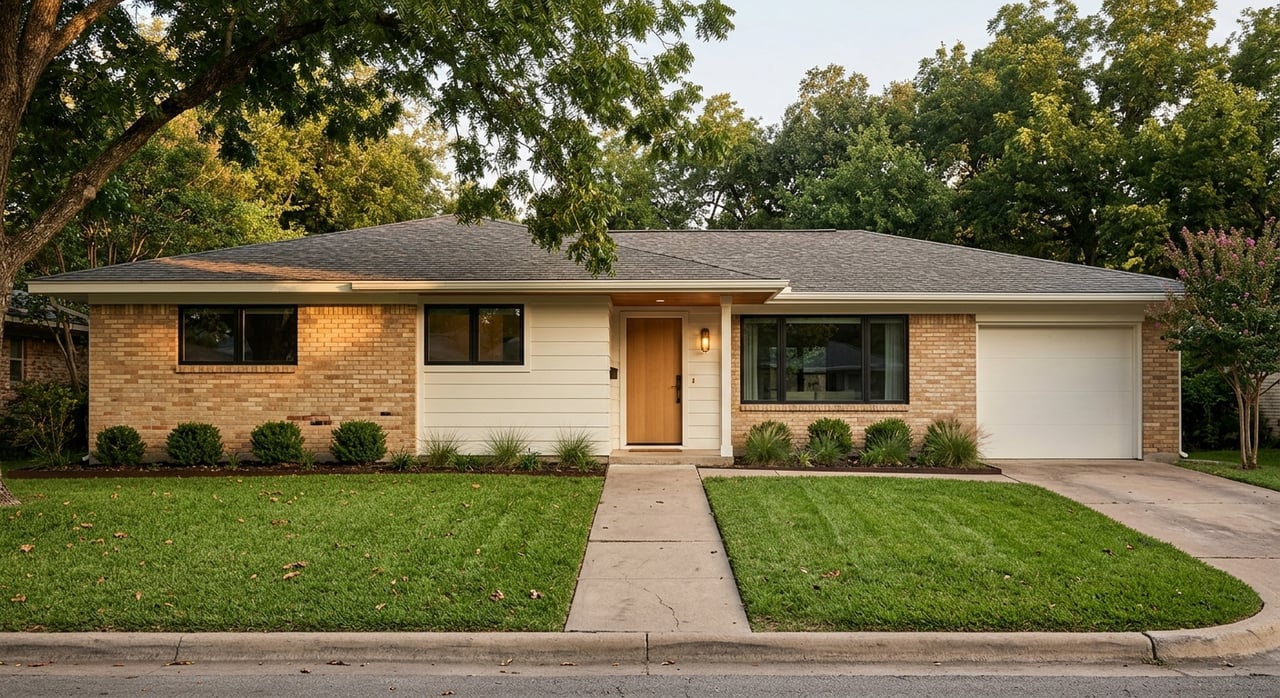
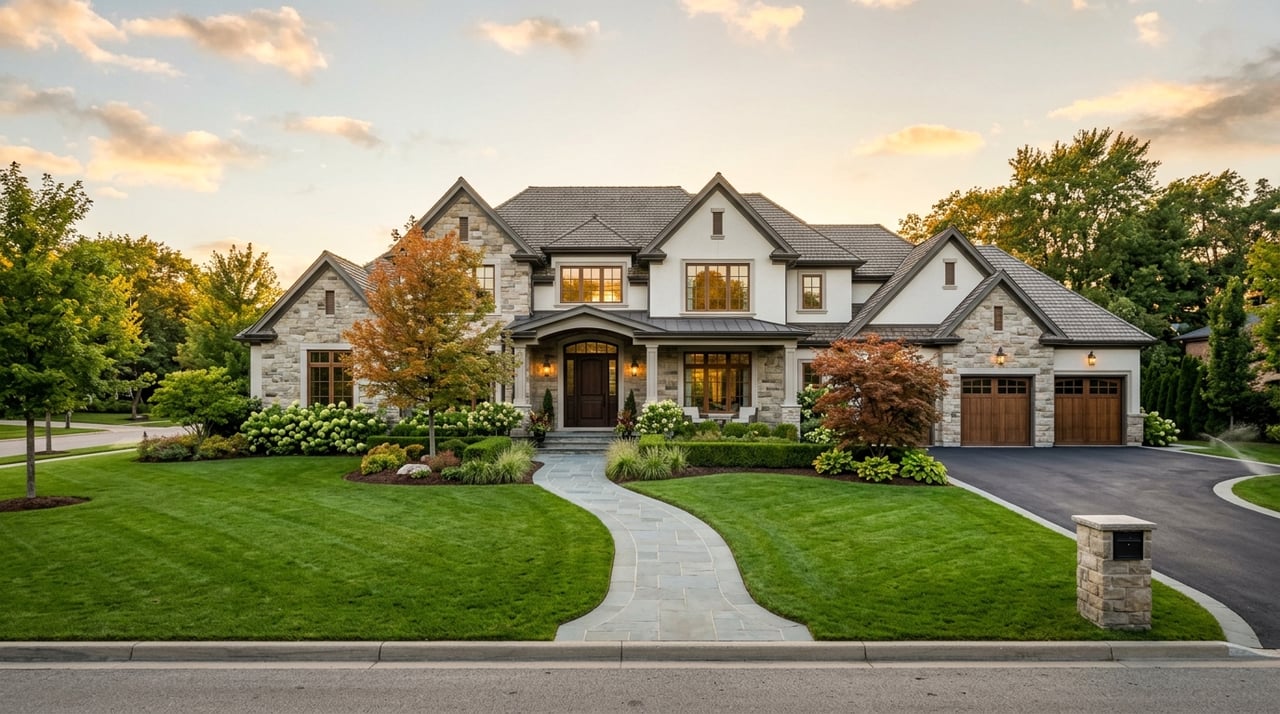
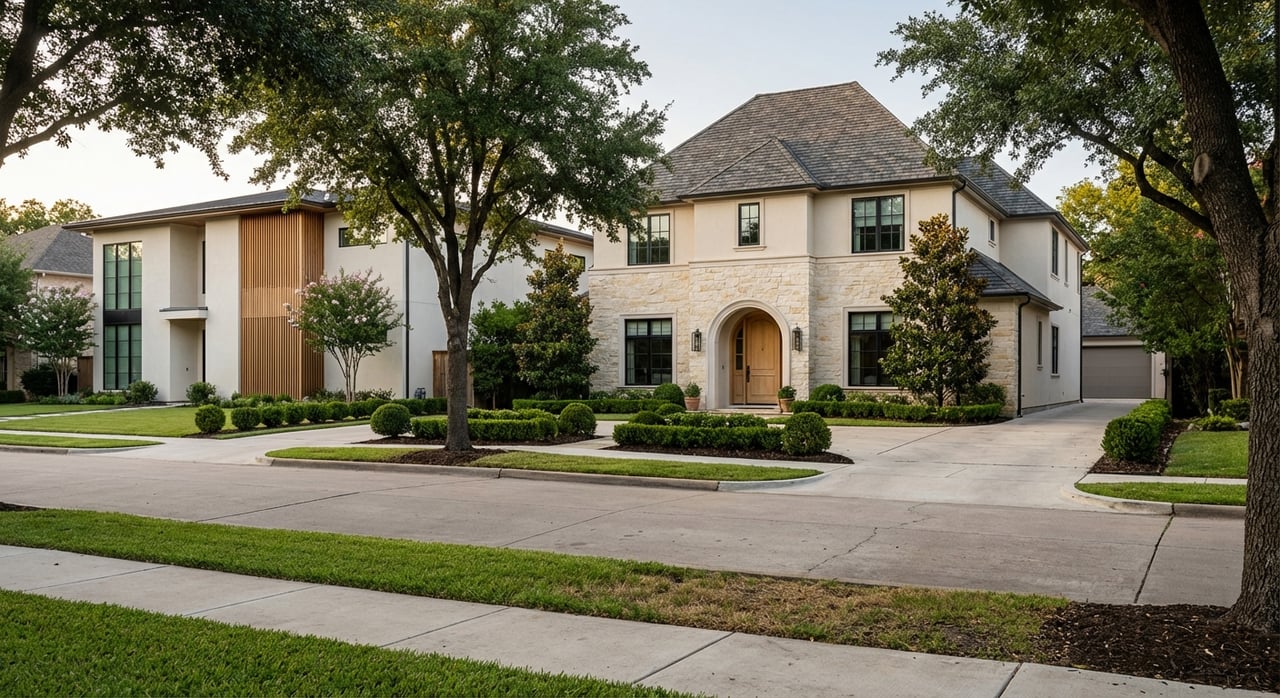
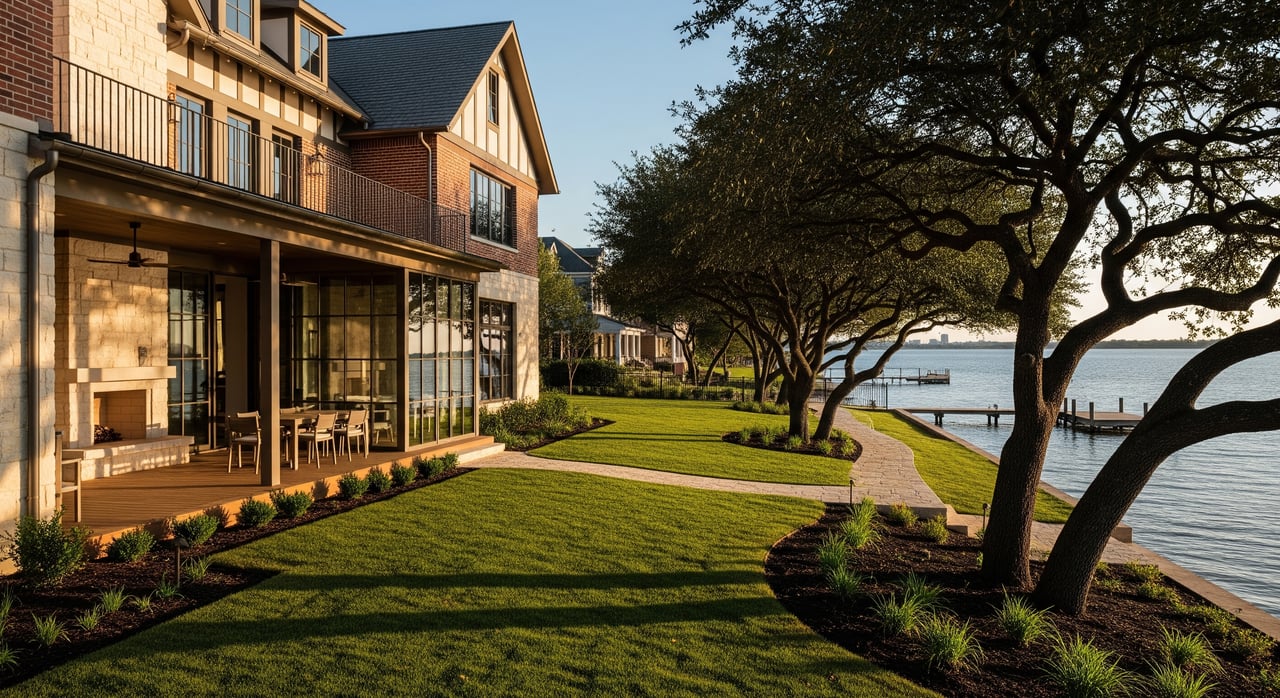
A detached single-family home tends to work better if you want more privacy, storage, or room to spread out. You may also prefer a house if having a yard, more separation from neighbors, or flexibility to renovate over time matters to you.
In Dallas, neighborhoods such as Lakewood and Preston Hollow often reflect that side of the market. Redfin describes Lakewood as a tree-lined area with housing that ranges from Tudor homes to modern condos and access to White Rock Lake, while Preston Hollow is known for larger lots and estate-style properties. Even so, detached ownership does not always mean unlimited freedom, since some older neighborhoods and historic districts may still have exterior review requirements.
One of the biggest surprises for buyers is that condo financing is not based only on your personal qualifications. It can also depend on the health and eligibility of the entire project.
According to HUD’s condominium guidance, FHA financing may be available for units in FHA-approved projects or in some cases through single-unit approval, but the project must meet program requirements. Fannie Mae also notes that issues such as critical repairs, inadequate insurance, pending litigation, or hotel and short-term rental activity can affect whether a condo project qualifies for financing.
That means two similar-looking units in different buildings may not be equally financeable. If you are comparing condos, the building itself matters almost as much as the unit you love.
Insurance is another area where condos and houses diverge. With a condo, the HOA often carries master insurance for shared areas, but you still need your own policy for the interior of your unit and personal belongings.
The CFPB explains this layered setup in its home insurance guidance, and it also notes that HOA fees often help fund the building’s master policy. Flood damage is usually not covered under standard residential property policies, and the Texas Department of Insurance and related state resources make it important to review flood exposure separately if relevant to the property.
For a single-family home, you are usually insuring the whole structure yourself. That can feel more straightforward, but it also means the responsibility is more squarely on you.
Repairs are not just about who calls the contractor. They are also about who pays when something major goes wrong.
In a condo building, some large repair costs are shared across owners. Fannie Mae gives the example of a cracked underground garage slab, where owners may have to cover the cost through HOA reserves or a special assessment. This is one of the clearest differences between condo ownership and detached ownership.
With a single-family home, a major repair usually affects only your property. That may sound simpler, but it also means there is no larger owner group helping share that bill.
If resale flexibility is important to you, local market data offers useful context. Dallas County MLS data from March 2025 shows condos had 6.9 months of inventory and 72 days on market, compared with 3.6 months of inventory and 53 days on market for single-family homes.
That suggests detached homes were moving faster and facing tighter supply at that time. Condo resale can also be more sensitive to building condition, reserve levels, insurance status, and financing eligibility, which means the project’s health can directly affect your future buyer pool.
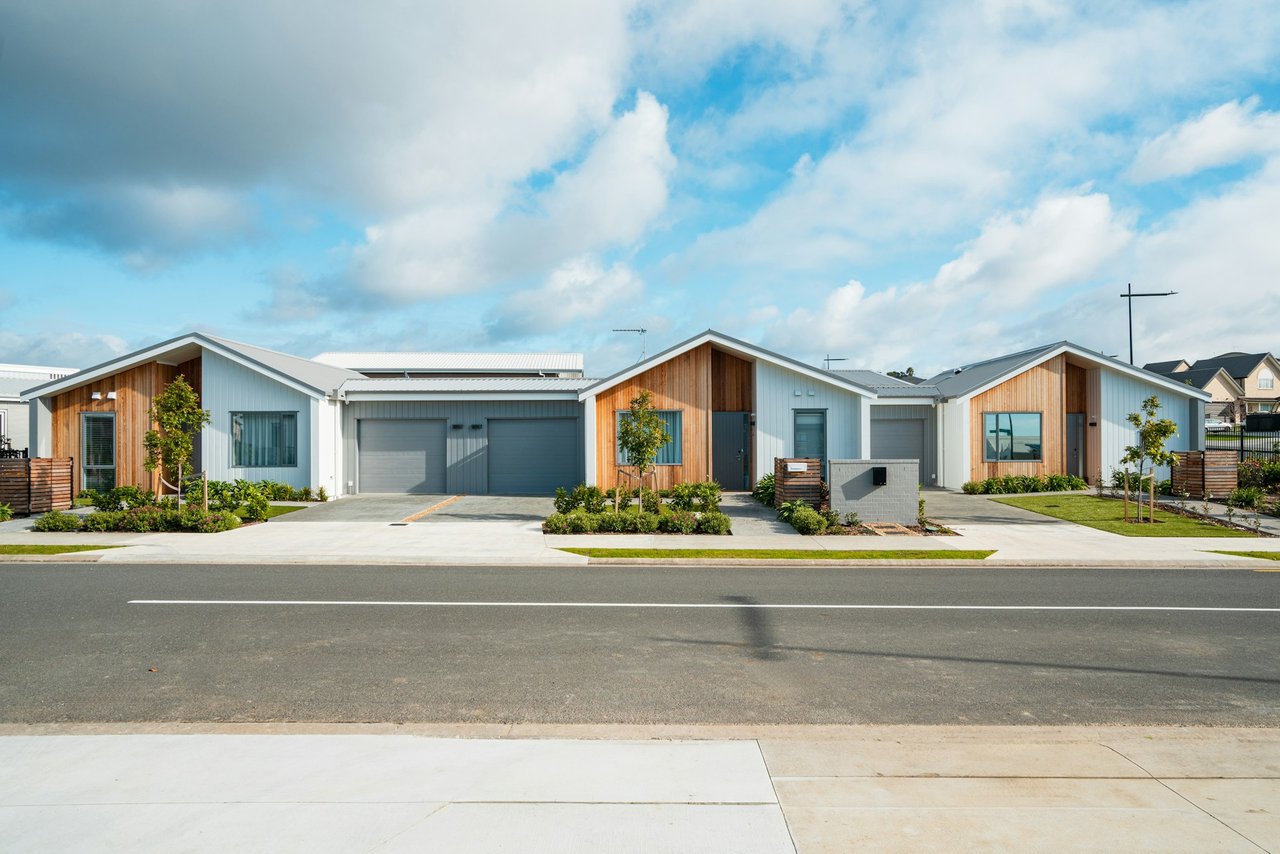
This decision is not always a simple urban-versus-suburban split. In some parts of Dallas, condos and single-family homes sit near each other, giving you more lifestyle options within the same broader area.
A good example is the Northwest Highway and Preston Road corridor. The City of Dallas area plan describes this district as including high-rise and low-rise condominiums alongside adjoining single-family neighborhoods. If you like a specific part of Dallas but are unsure about property type, this kind of mixed housing area can be a helpful place to compare your options side by side.
If you are still torn, focus less on the property type label and more on your daily life. The better fit usually becomes clearer when you look at your habits, budget, and long-term plans together.
A high-rise condo may be the better fit if you want:
A single-family home may be the better fit if you want:
In Dallas, this choice is rarely just about condo versus house. It is about how you want to balance monthly cost, maintenance responsibility, financing complexity, location, and future resale flexibility.
If you want a simpler day-to-day lifestyle and a lower entry point, a condo may make sense. If you want more space, more control, and a property type that has recently moved faster in local data, a single-family home may be the better path.
The best choice is the one that fits your budget and the way you actually want to live. If you want help comparing Dallas high-rises, established neighborhoods, or side-by-side ownership costs, the J.Klefeker Group can help you sort through the details and move forward with confidence.