Thinking about making University Park home but not sure how the schools, walkability, and SMU access fit your daily routine? You want great neighborhood services, easy errands, and a clear plan for schools and taxes. In this guide, you’ll get a practical, block-by-block view of life in University Park, plus tips to match a home to your lifestyle. Let’s dive in.
University Park is an incorporated city inside the Park Cities with its own services and tree-lined residential character. It covers about 3.69 square miles and had a population near 25,000 in 2020. The city grew around Southern Methodist University, and you feel the campus presence in daily life. To get oriented fast, review the city’s history and layout in this quick primer on University Park’s background and location.
Most addresses in University Park are served by Highland Park Independent School District. HPISD operates multiple elementary campuses along with McCulloch Intermediate, Highland Park Middle, and Highland Park High School. The district is widely recognized for strong outcomes. You can see district context on the HPISD overview and performance snapshots via the Texas Tribune’s HPISD profile.
Elementary attendance zones vary by block. Before you make an offer, verify the assigned campus for a specific property directly with HPISD. While most of University Park falls within HPISD, always confirm the exact school assignment for peace of mind.
Families often compare HPISD with a robust private school network within a 10 to 25 minute drive of most blocks. Commonly considered options include The Hockaday School, St. Mark’s School of Texas, Jesuit College Preparatory of Dallas, Ursuline Academy of Dallas, Parish Episcopal School, Greenhill School, and Episcopal School of Dallas. For a sense of timelines and visitation, start with a representative campus like The Hockaday School.
In the Park Cities, school taxes are usually the largest part of your annual property tax bill. HPISD publishes its adopted rate each year. For example, recent reporting cited a district component near 0.8347 for 2025–26. Review the latest figures on the HPISD tax rate page and confirm the full combined rate for a specific parcel before you finalize your budget.
University Park’s overall Walk Score sits around the low 60s, which means some errands can be done on foot but most residents drive for daily needs. See the citywide picture on the University Park Walk Score summary. That said, walkability in University Park is very block specific.
If you want to walk to coffee, restaurants, and small groceries, focus your search near SMU, Snider Plaza, or the SMU/Mockingbird Station area. Blocks here often show scores in the 70 to 85 range. Check individual addresses around campus on this SMU-area Walk Score view.
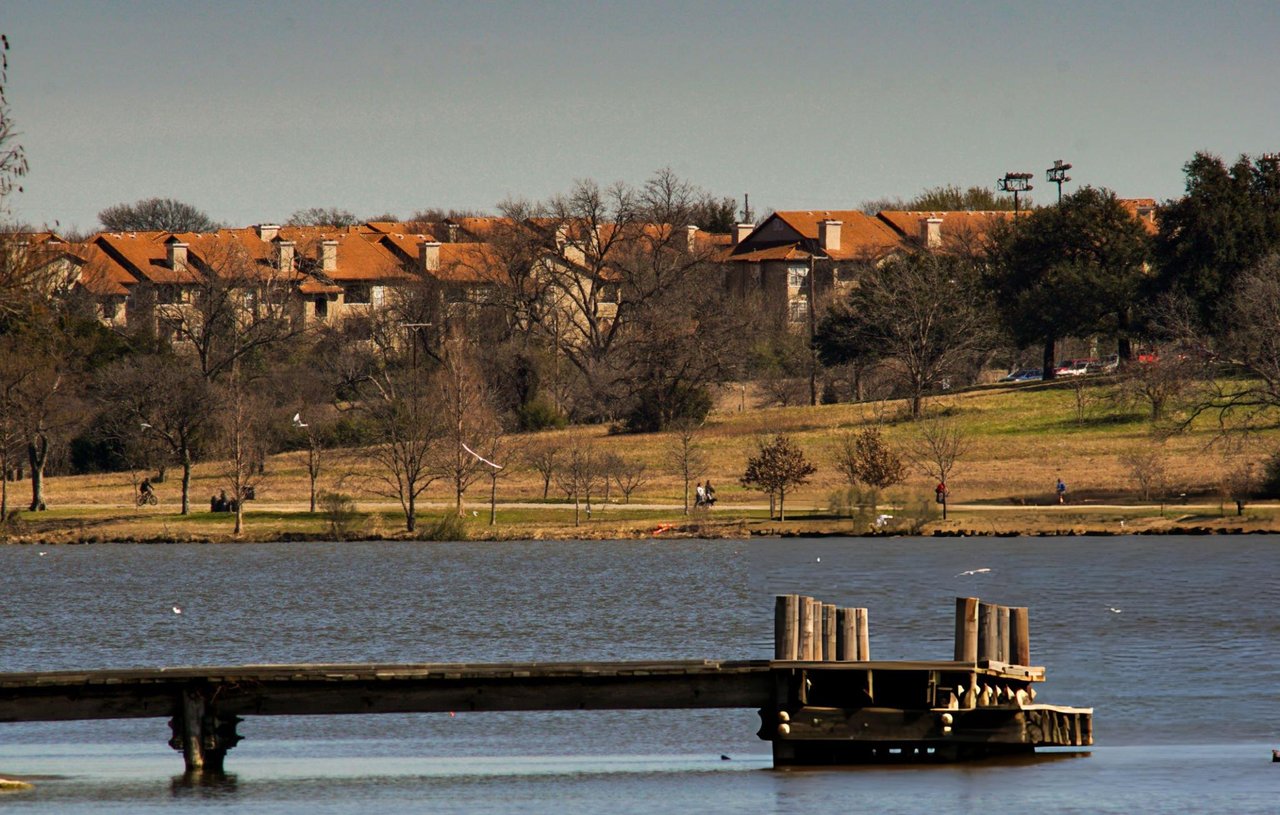
Park access is a major strength. The city maintains a network of small-to-mid parks including Burleson, Caruth, Curtis, Goar, Williams, and Elena’s Children’s Park. Curtis Park is home to the Holmes Aquatic Center, a community hub with a 50-meter pool, diving boards, a sprayground, and courts. Explore hours and features on the Holmes Aquatic Center page.
DART’s SMU/Mockingbird Station serves the Red, Blue, and Orange lines and sits roughly a half mile east of campus. SMU also runs a campus shuttle for students and staff between the station and campus. Learn more about the station’s connections from the SMU/Mockingbird Station overview. Many residents still rely on a car for everyday errands. University Park is about five miles north of downtown Dallas, with main routes including Mockingbird Lane, Lovers Lane, US 75, and the Hillcrest and Preston corridors. For a concise local context, see the University Park entry at TSHA.
SMU’s main campus sits within and adjacent to University Park, with a listed address near Boaz Lane. For many faculty and staff, living nearby means quick commutes, walkable access to lectures, and easy trips to campus destinations like the George W. Bush Presidential Center. If campus convenience is a top priority, focus on streets directly bordering SMU for the shortest walks.
SMU home games and campus events can increase traffic and parking demand in nearby blocks. If you enjoy the energy and plan to attend, proximity is a plus. If you prefer quieter weekends, consider blocks a few streets back from the stadium corridors and verify your route and parking habits during an event window.
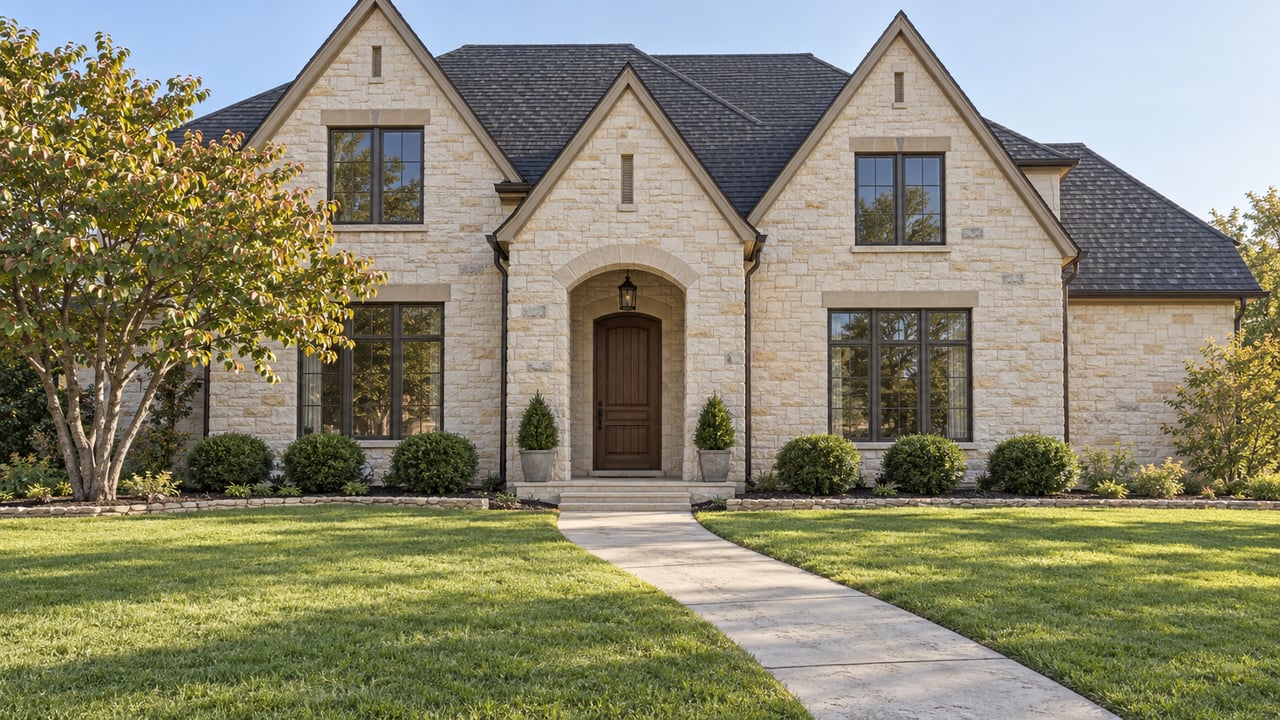
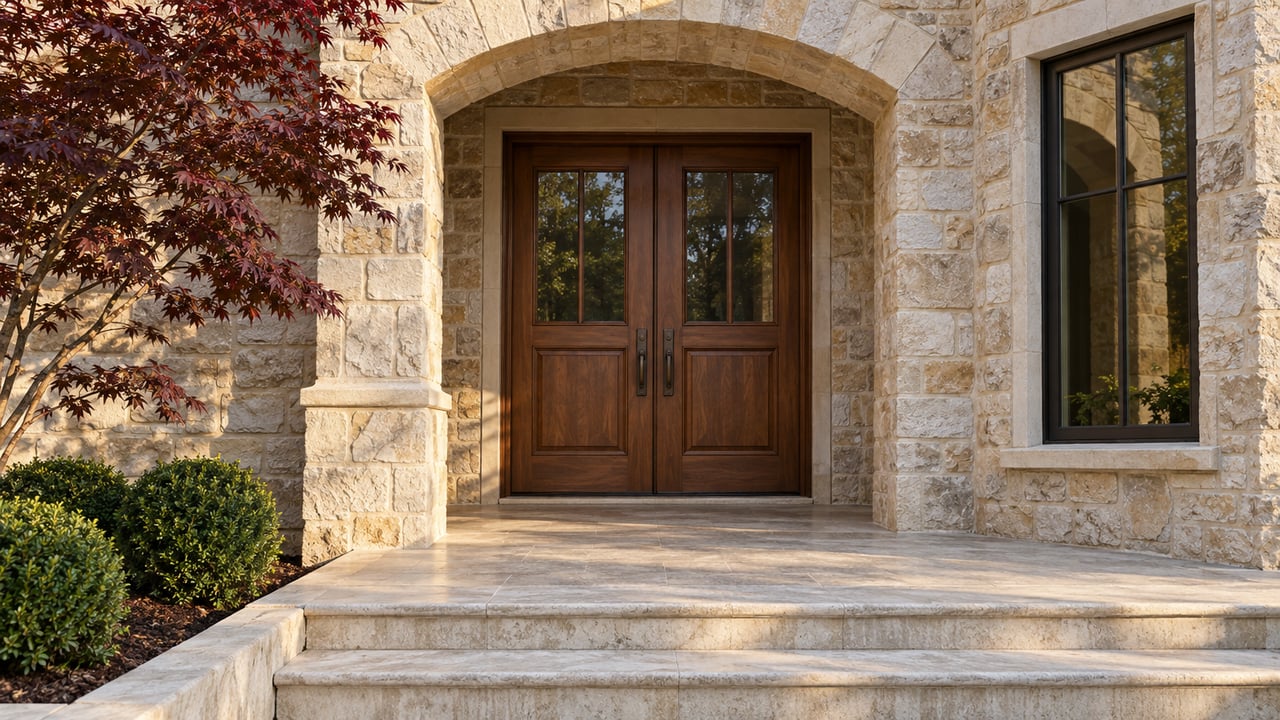
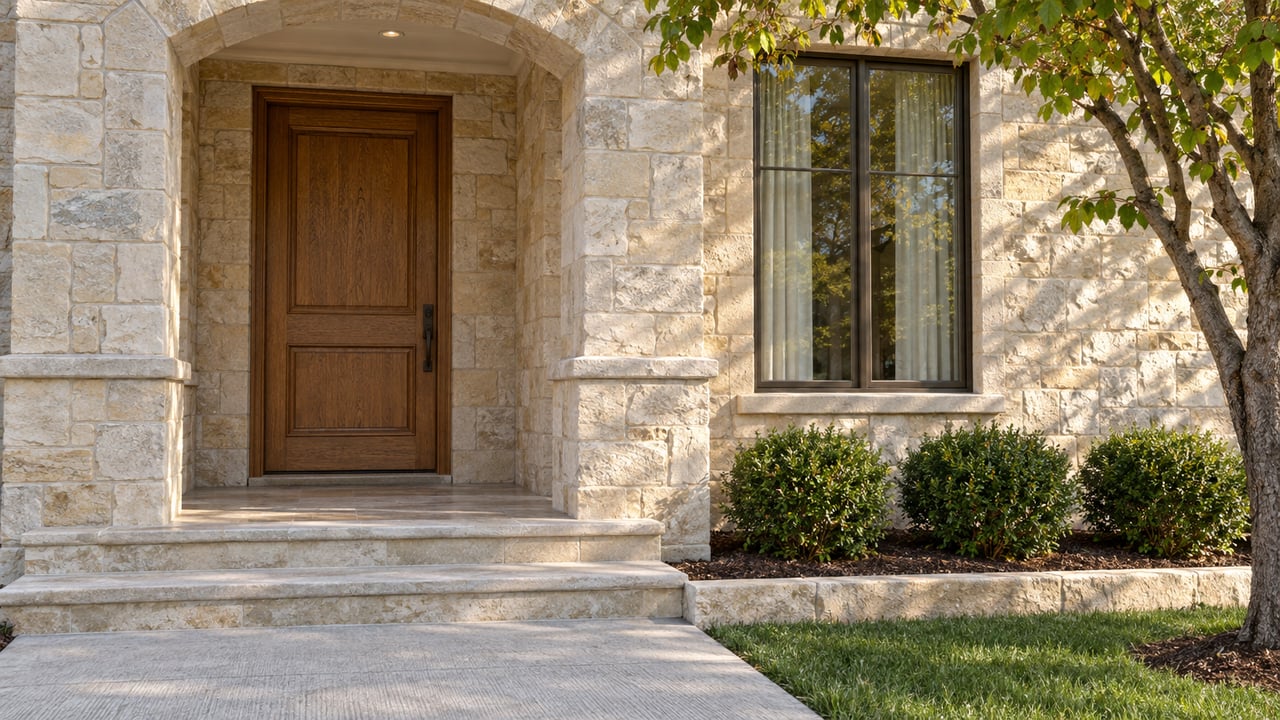
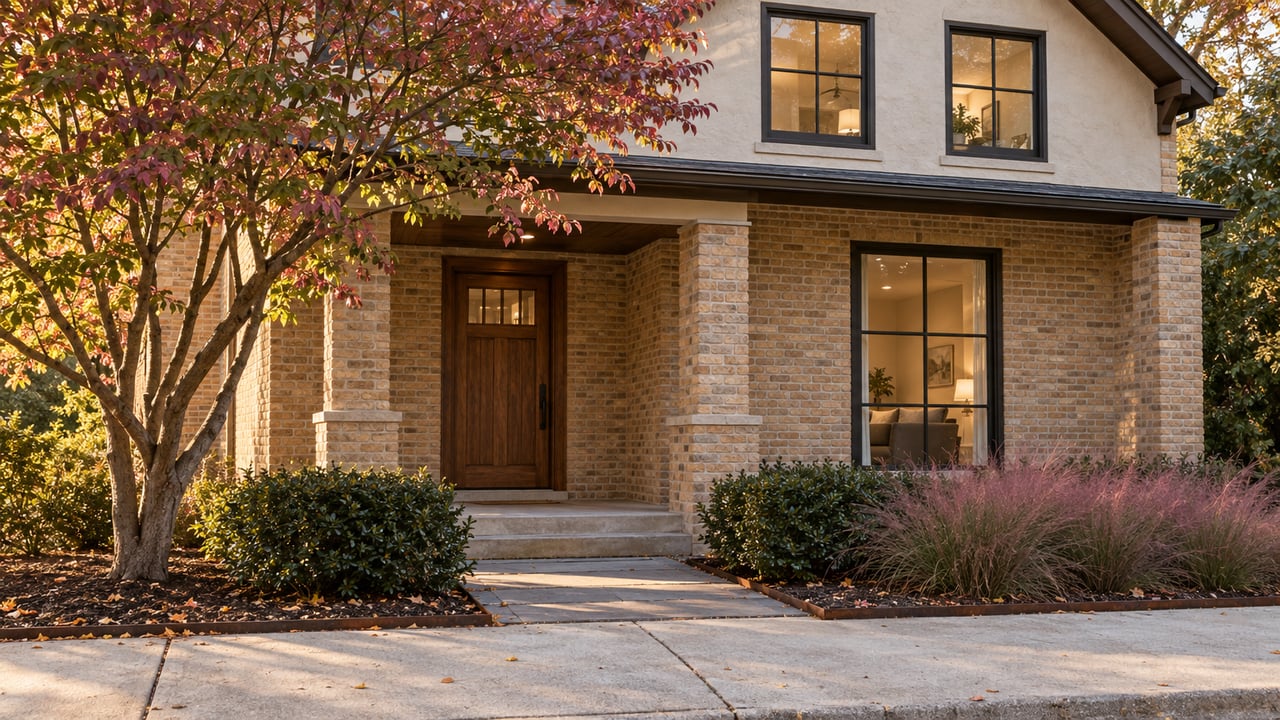
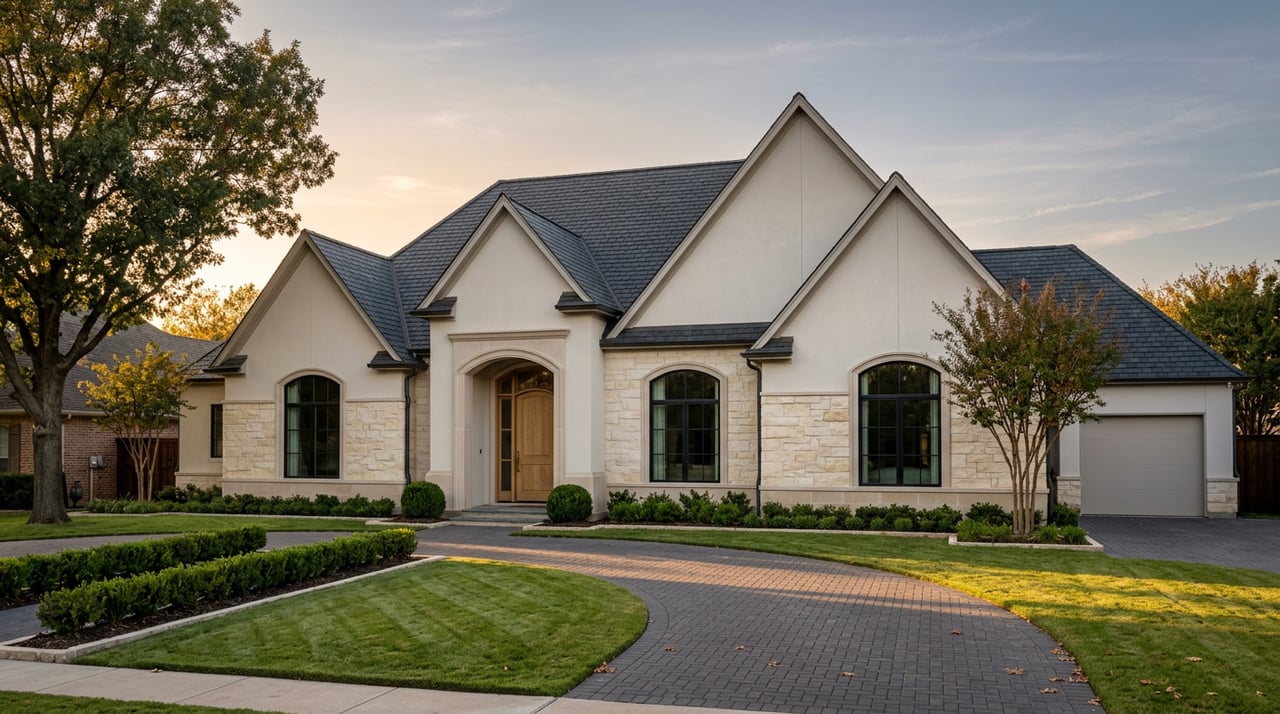
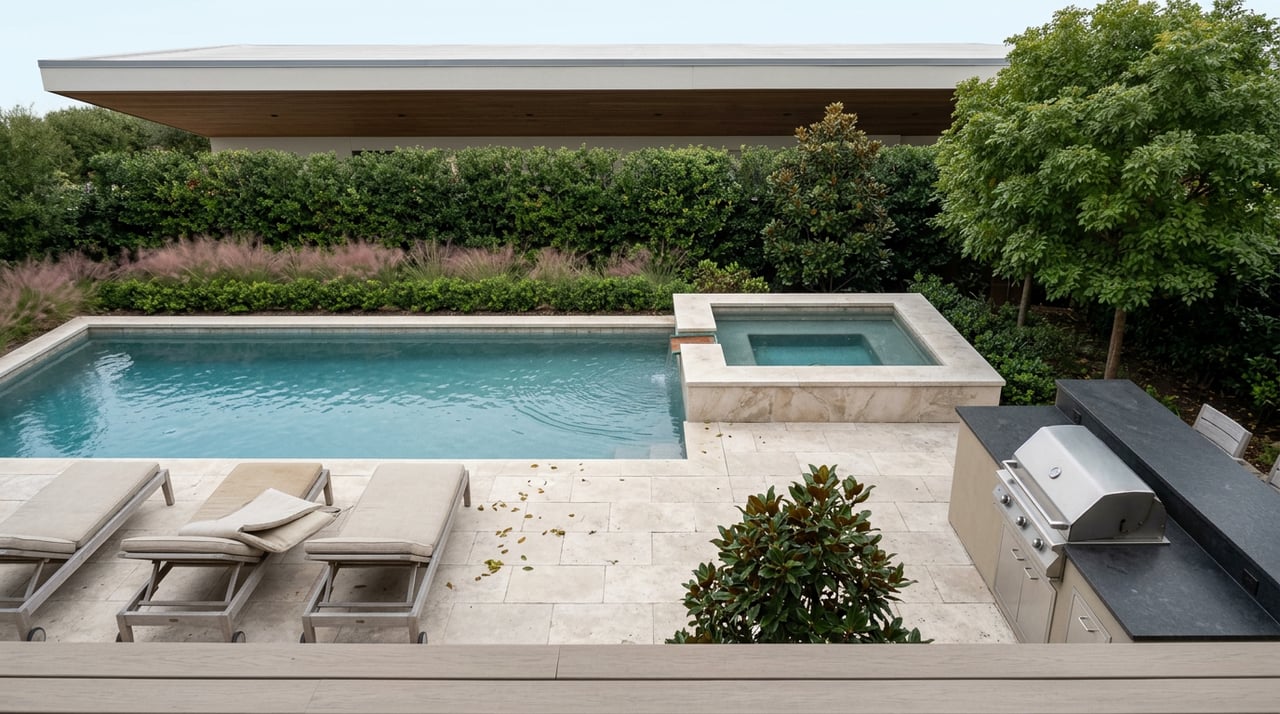
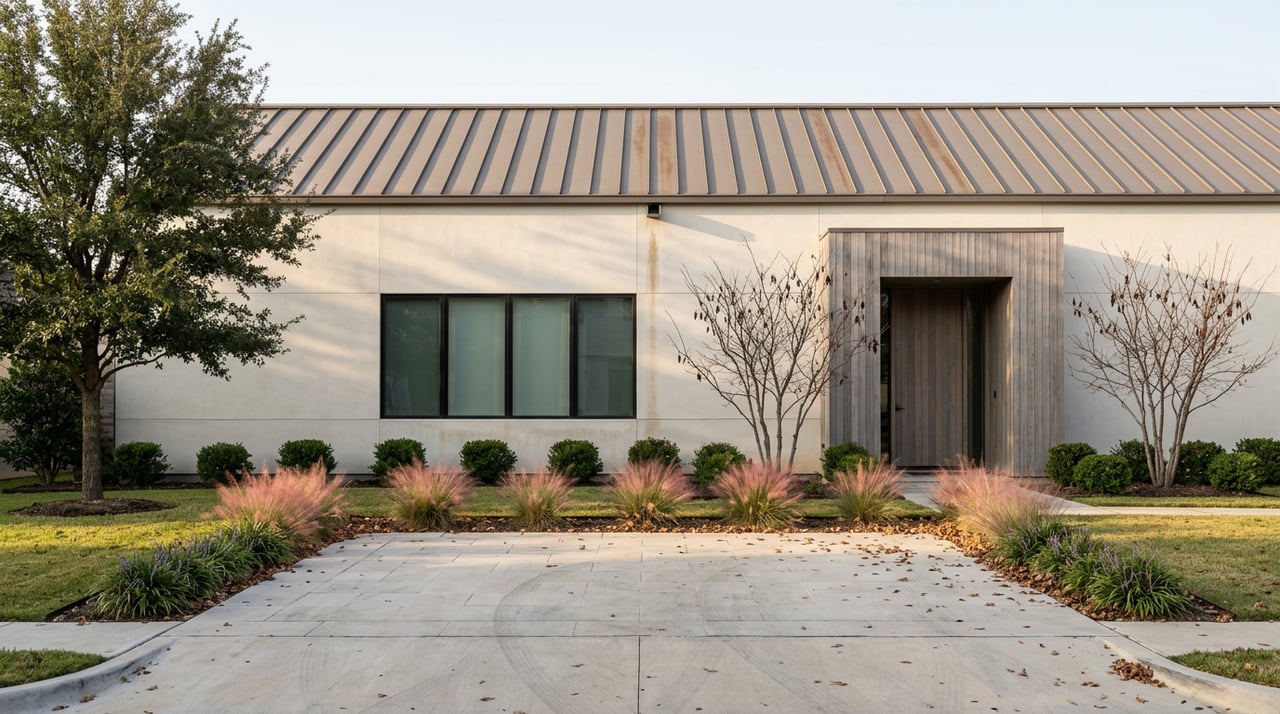
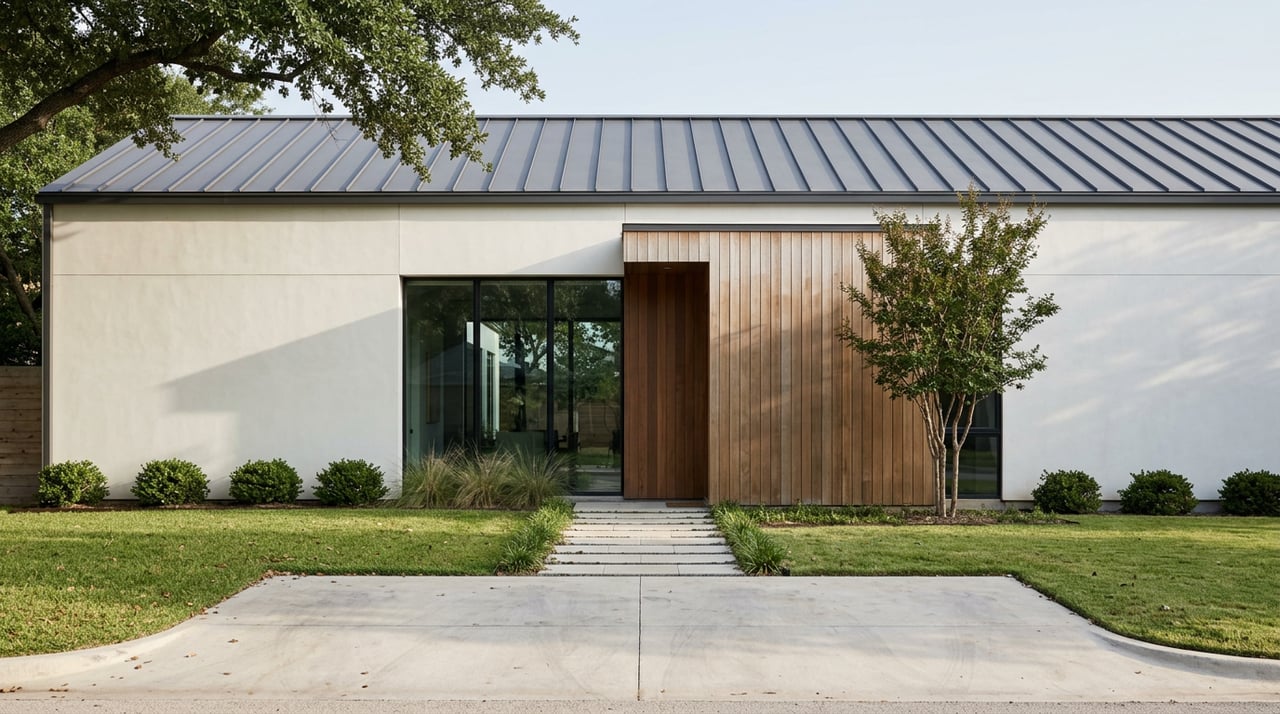
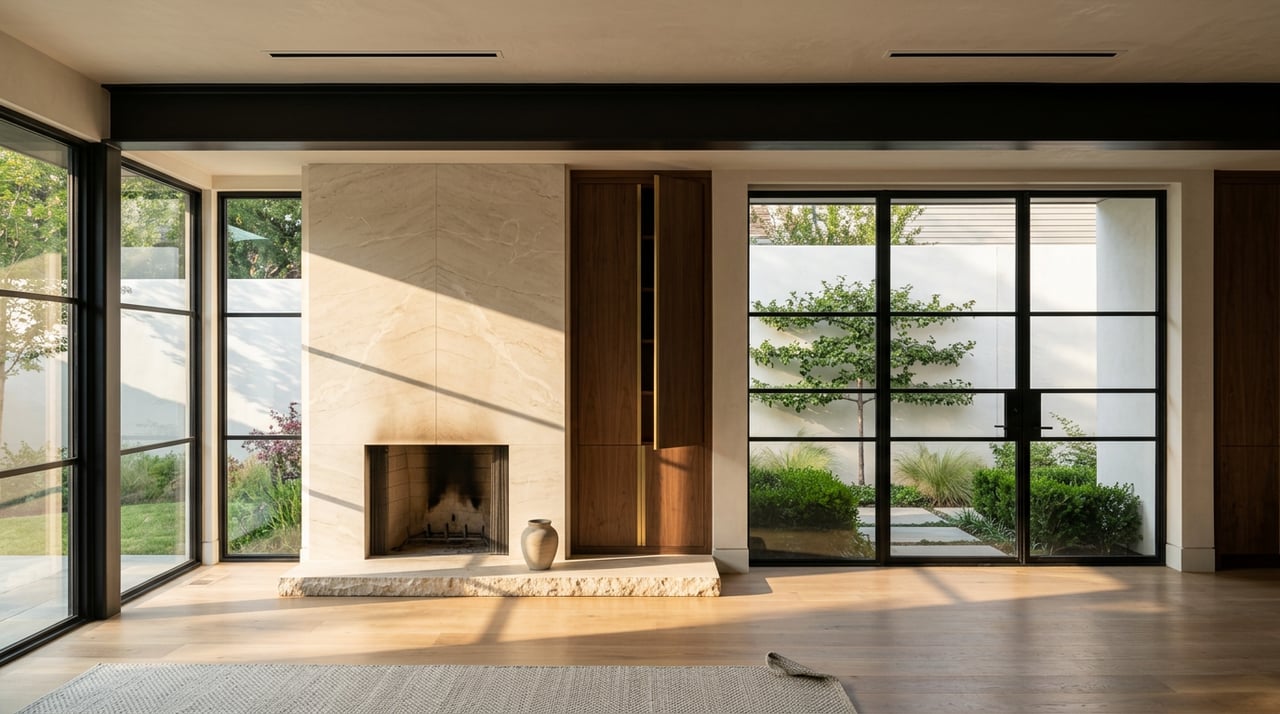
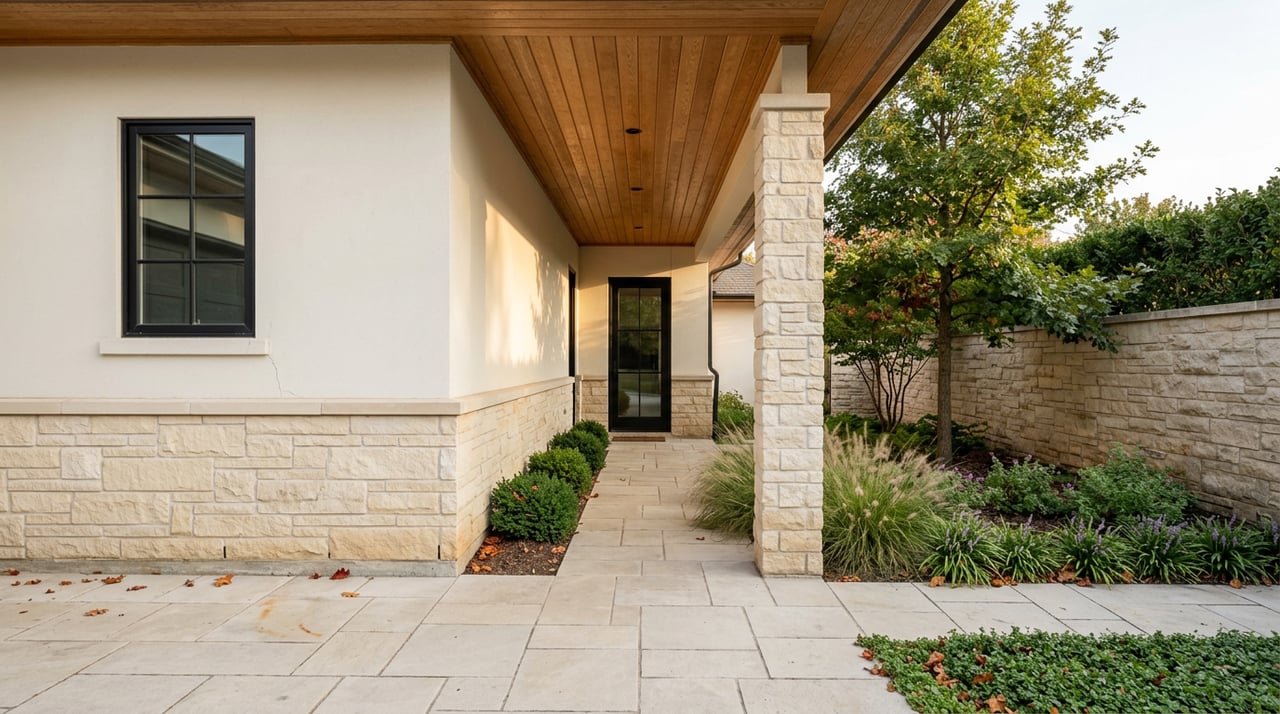
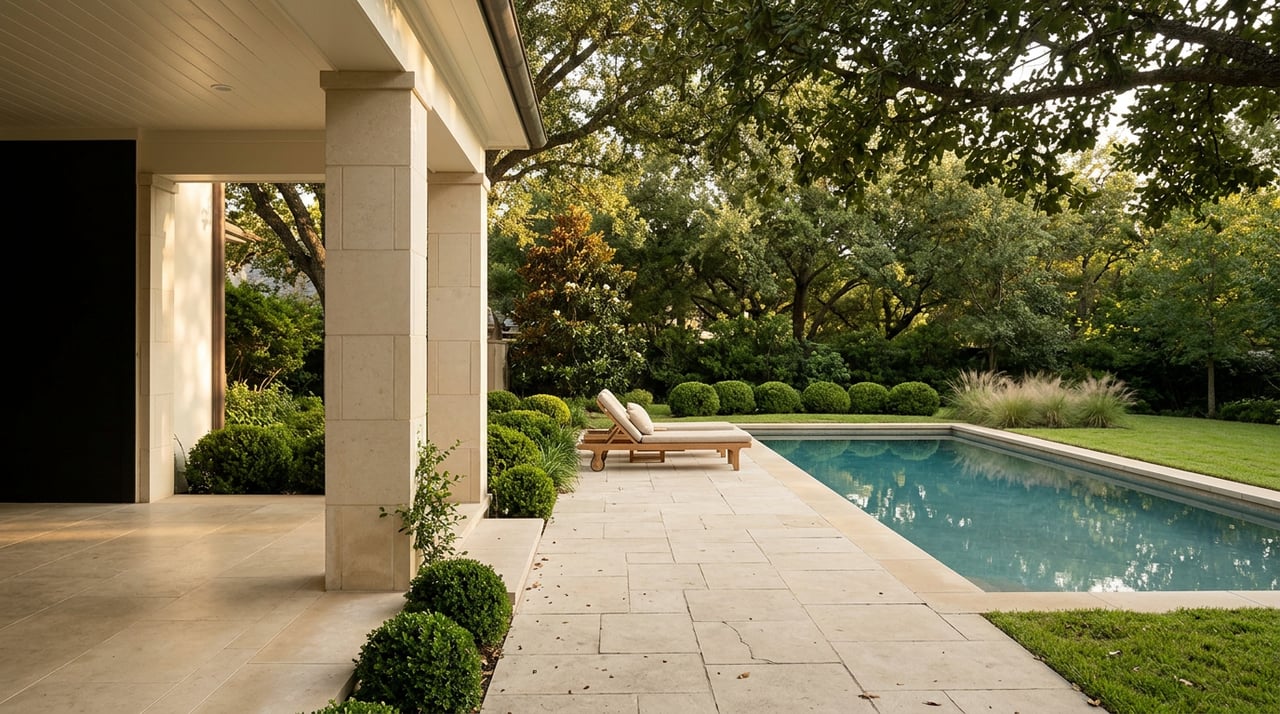
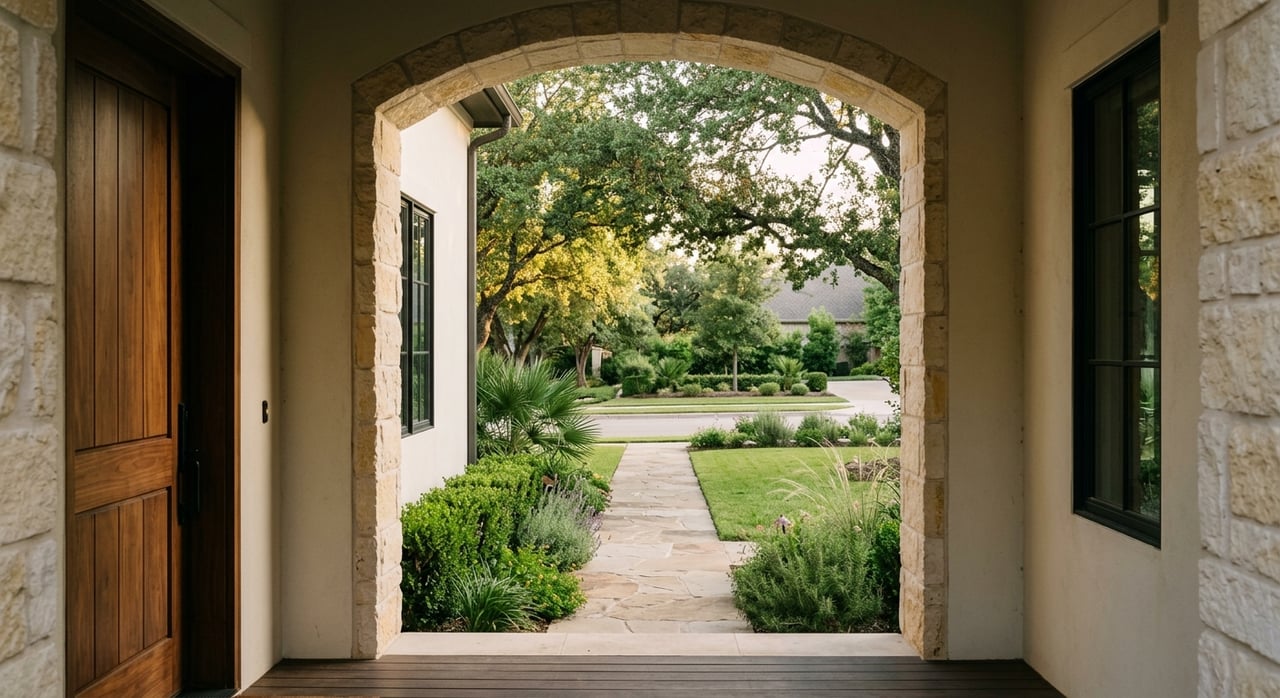
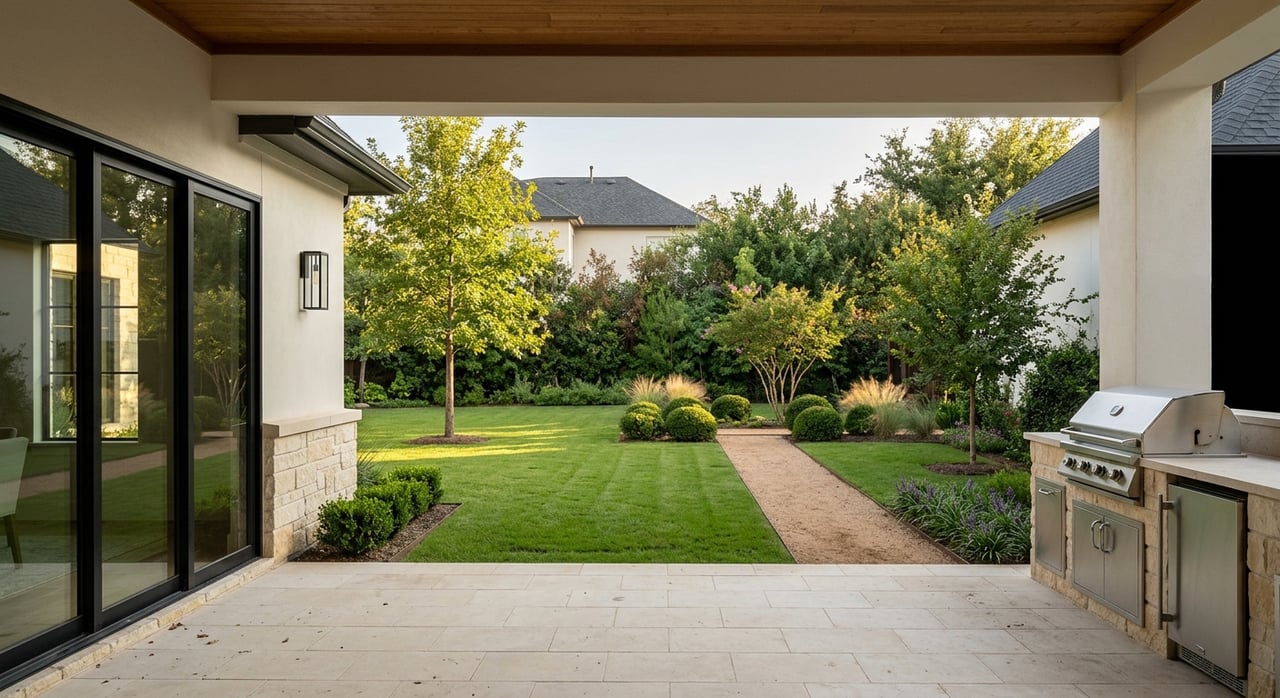
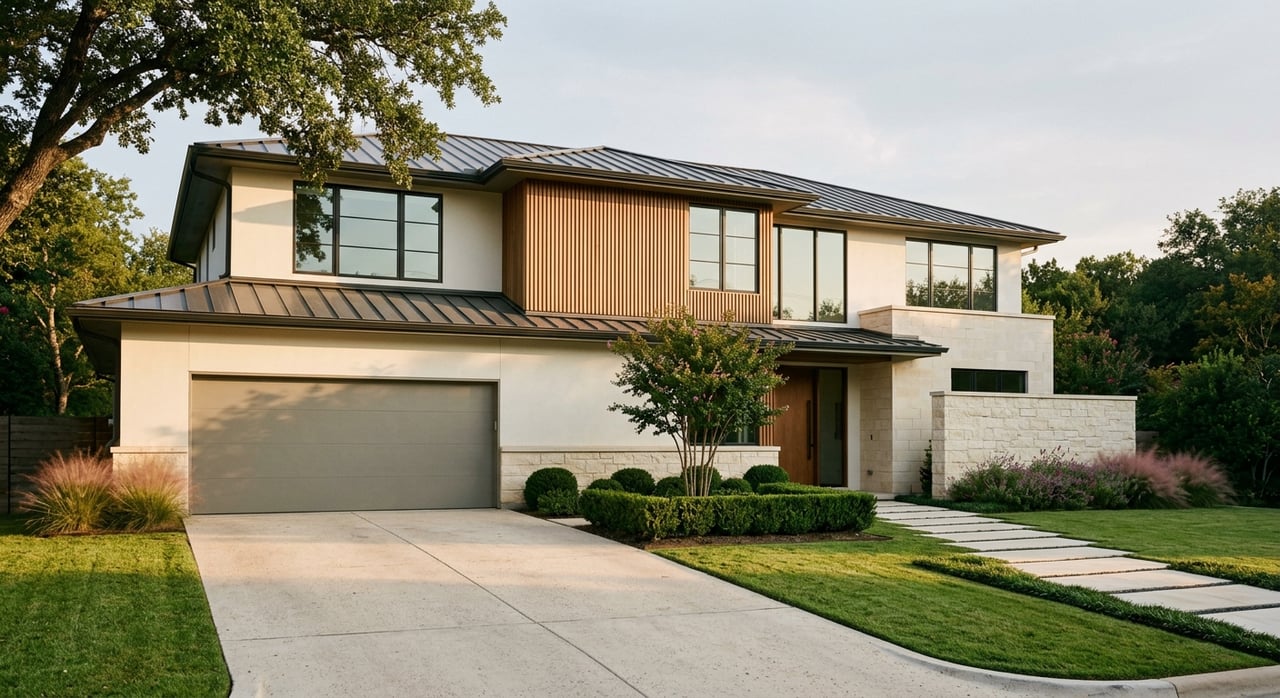
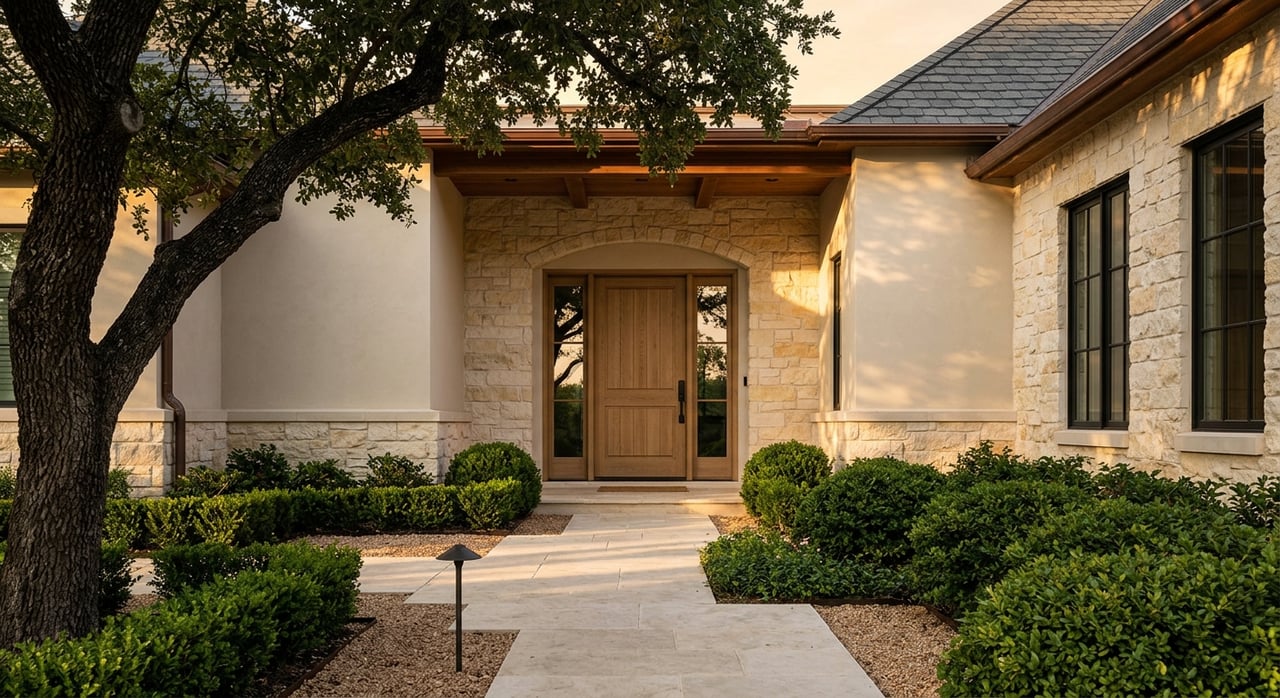
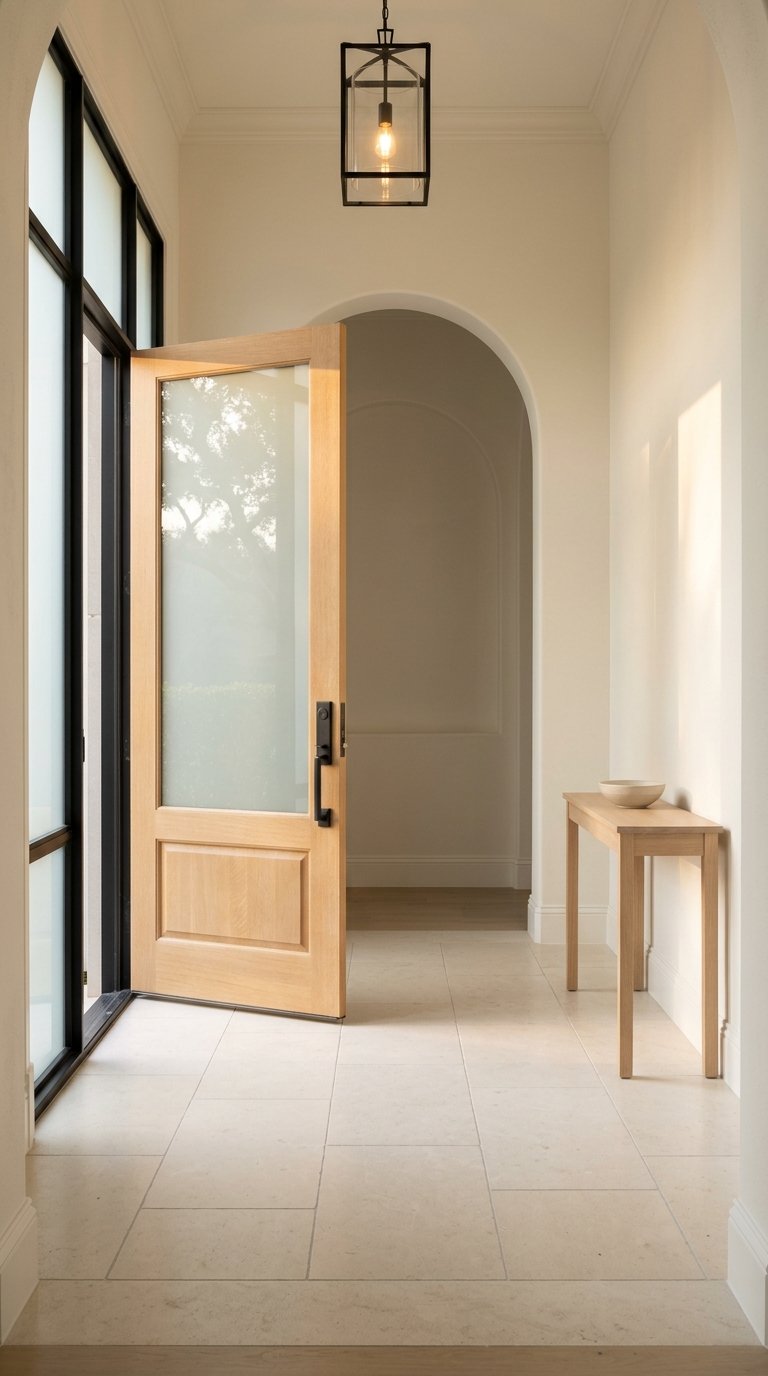
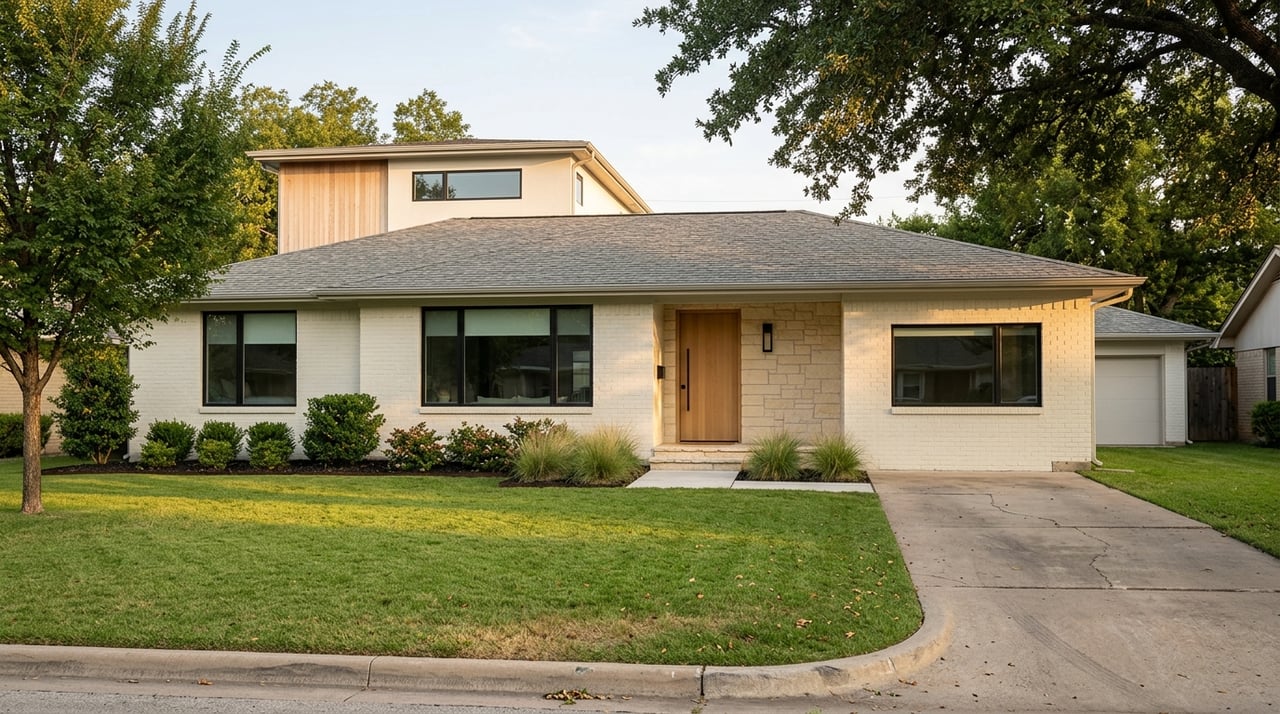
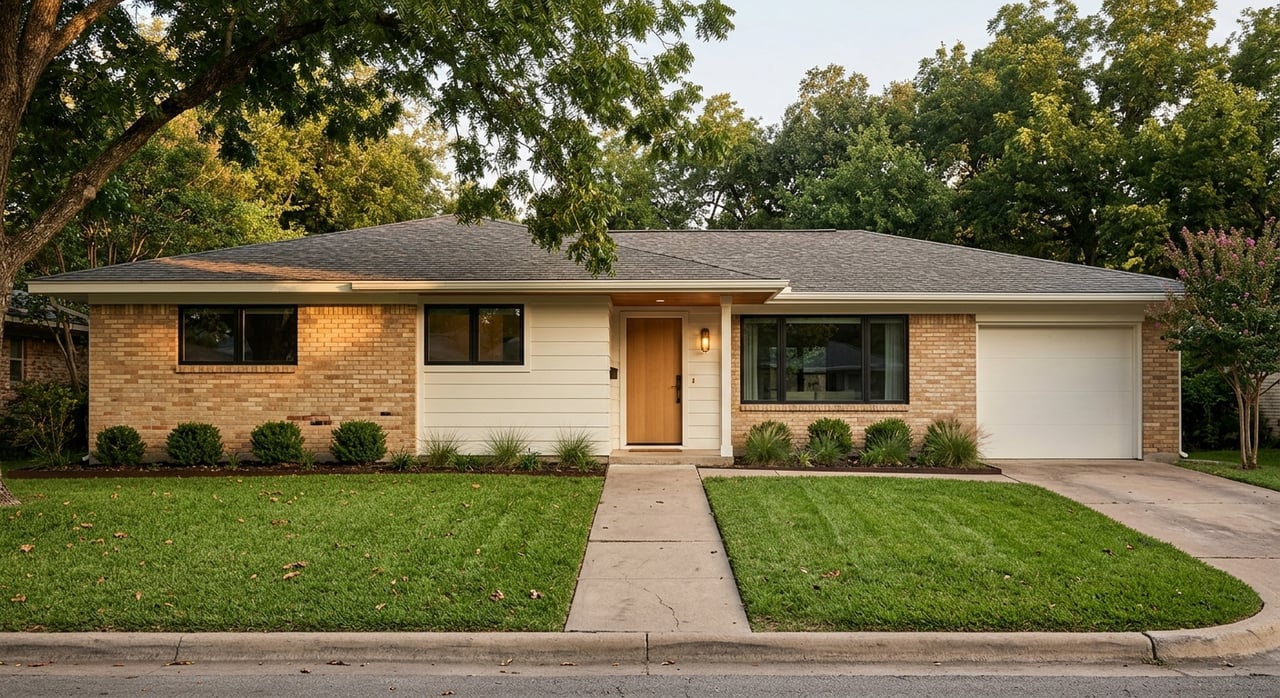
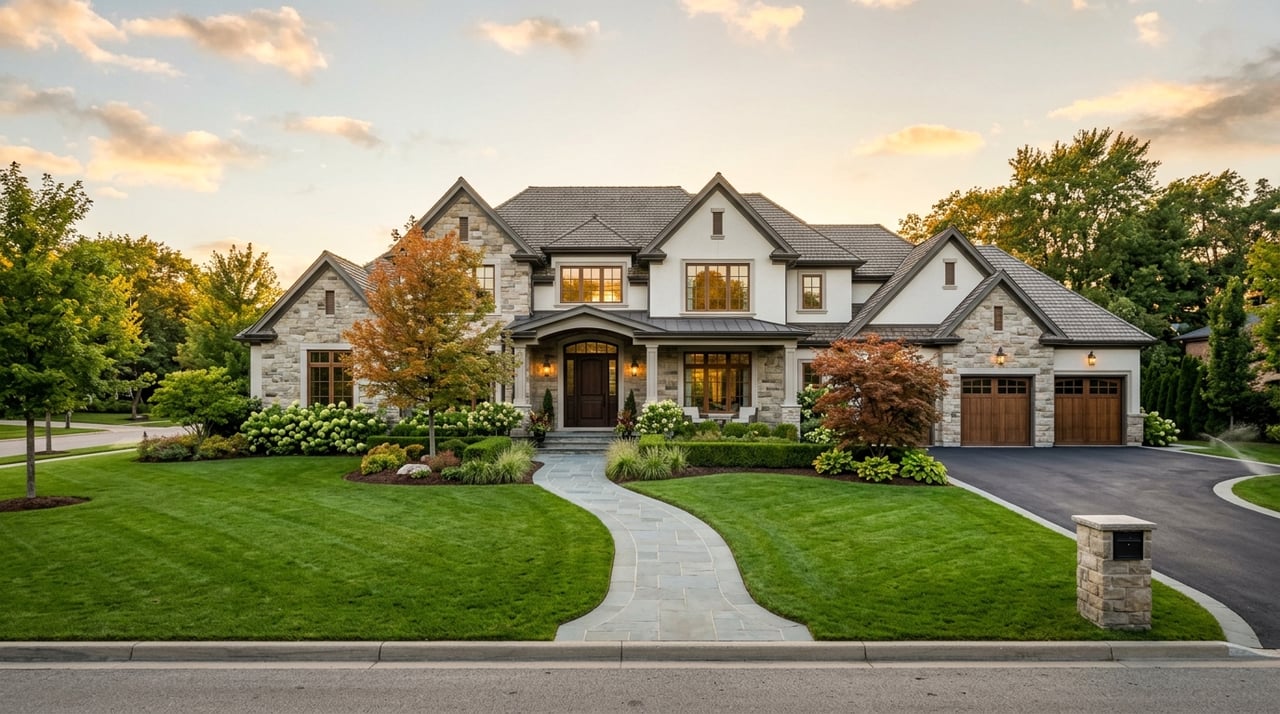
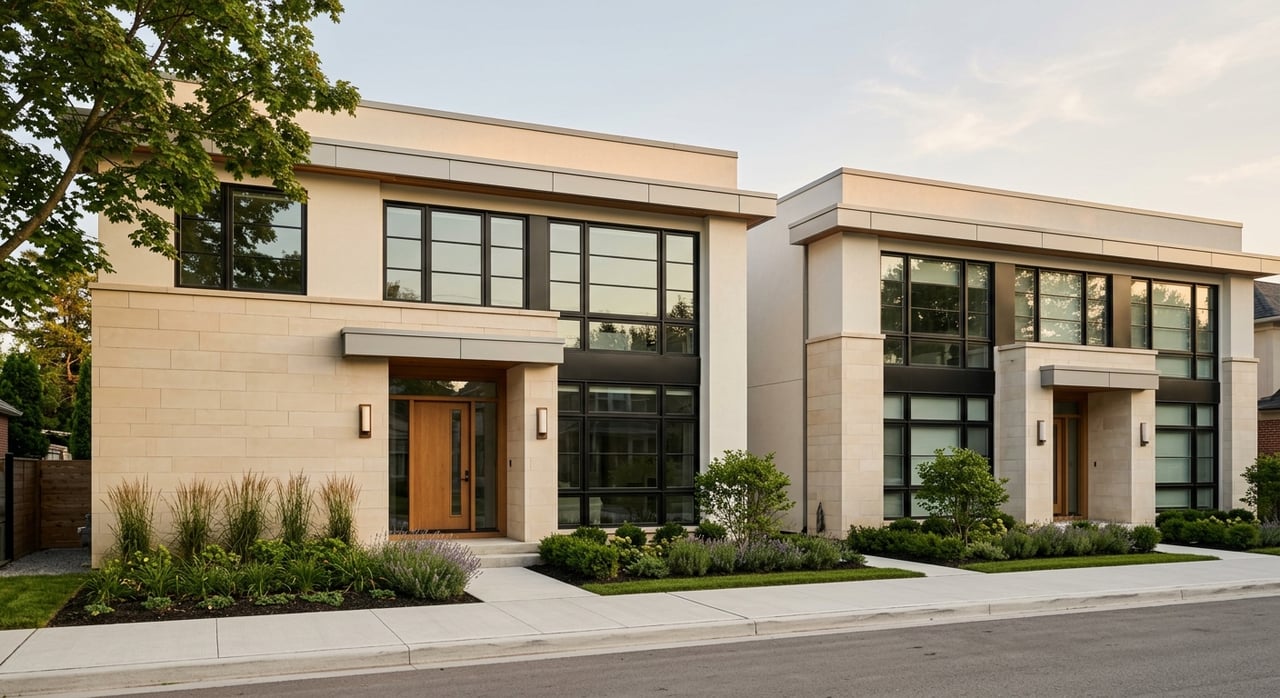
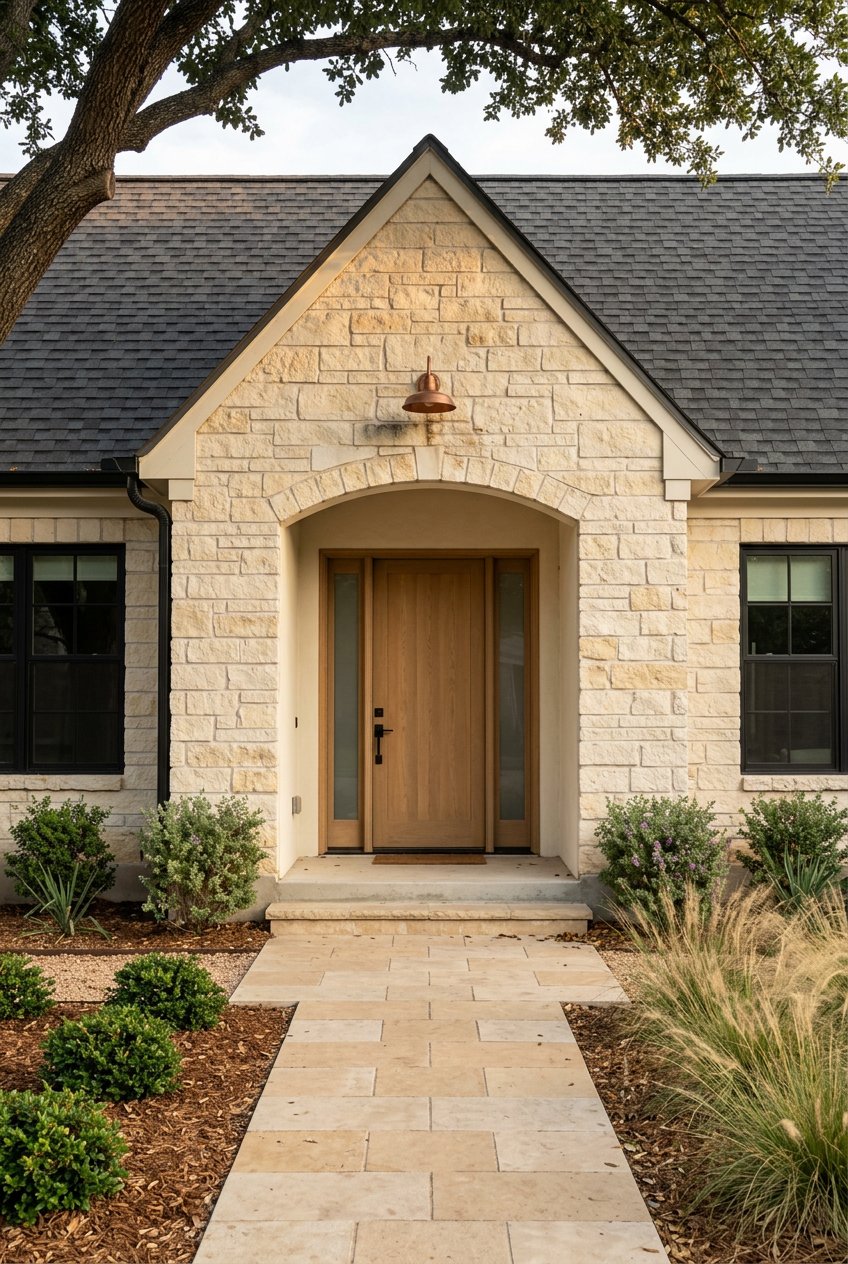
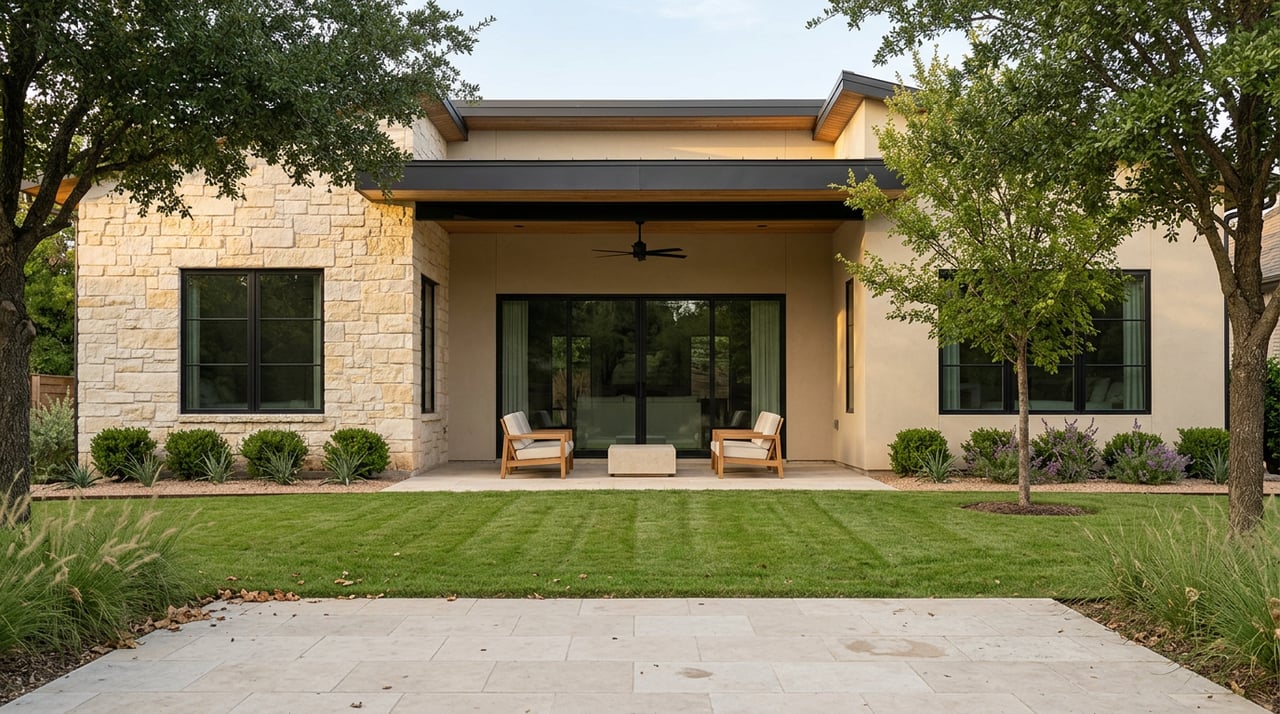
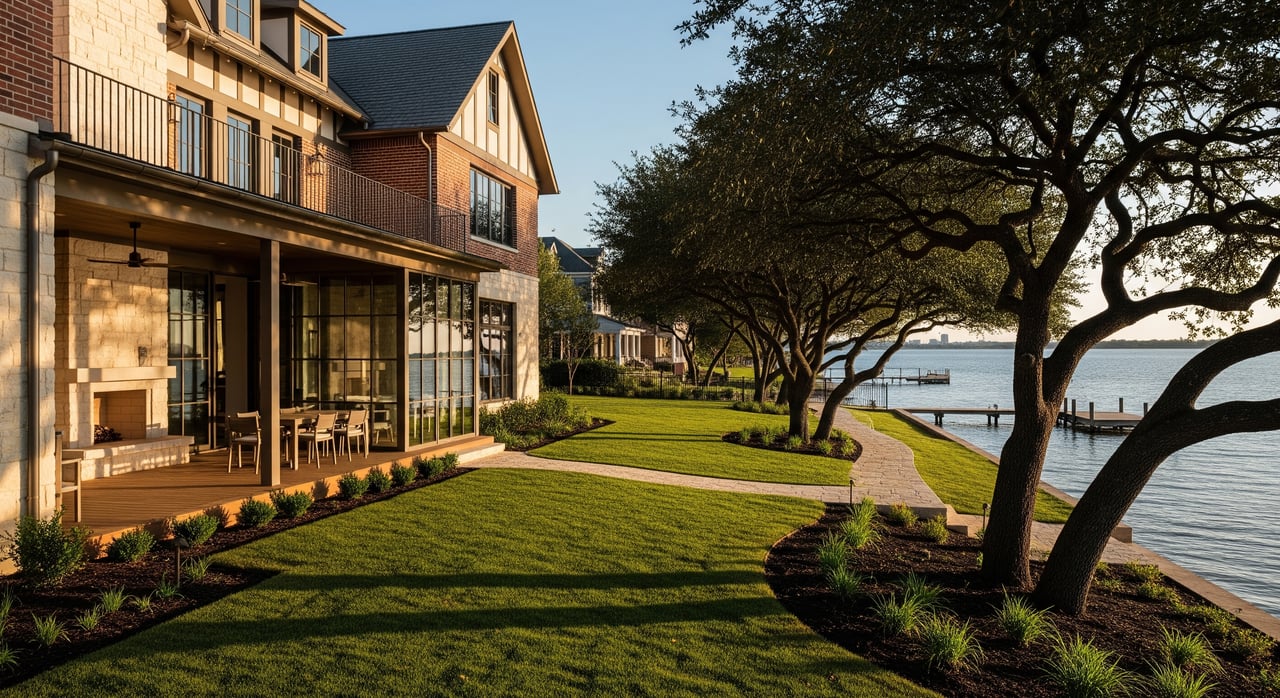
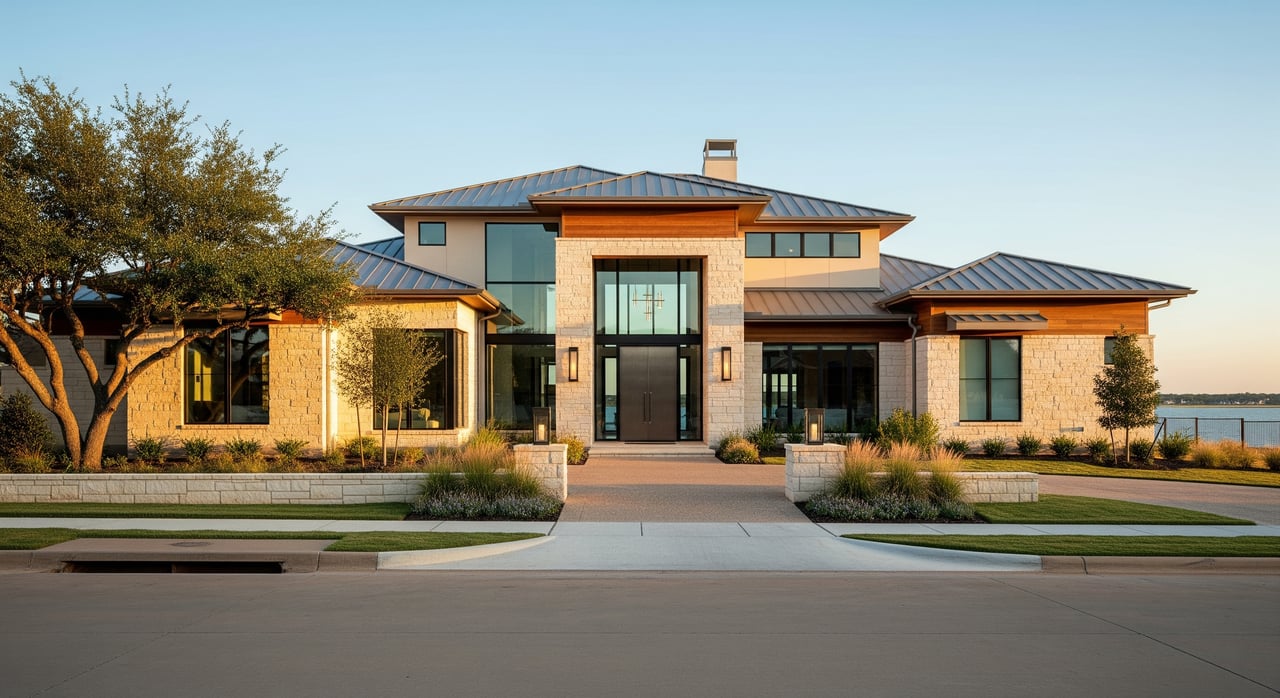
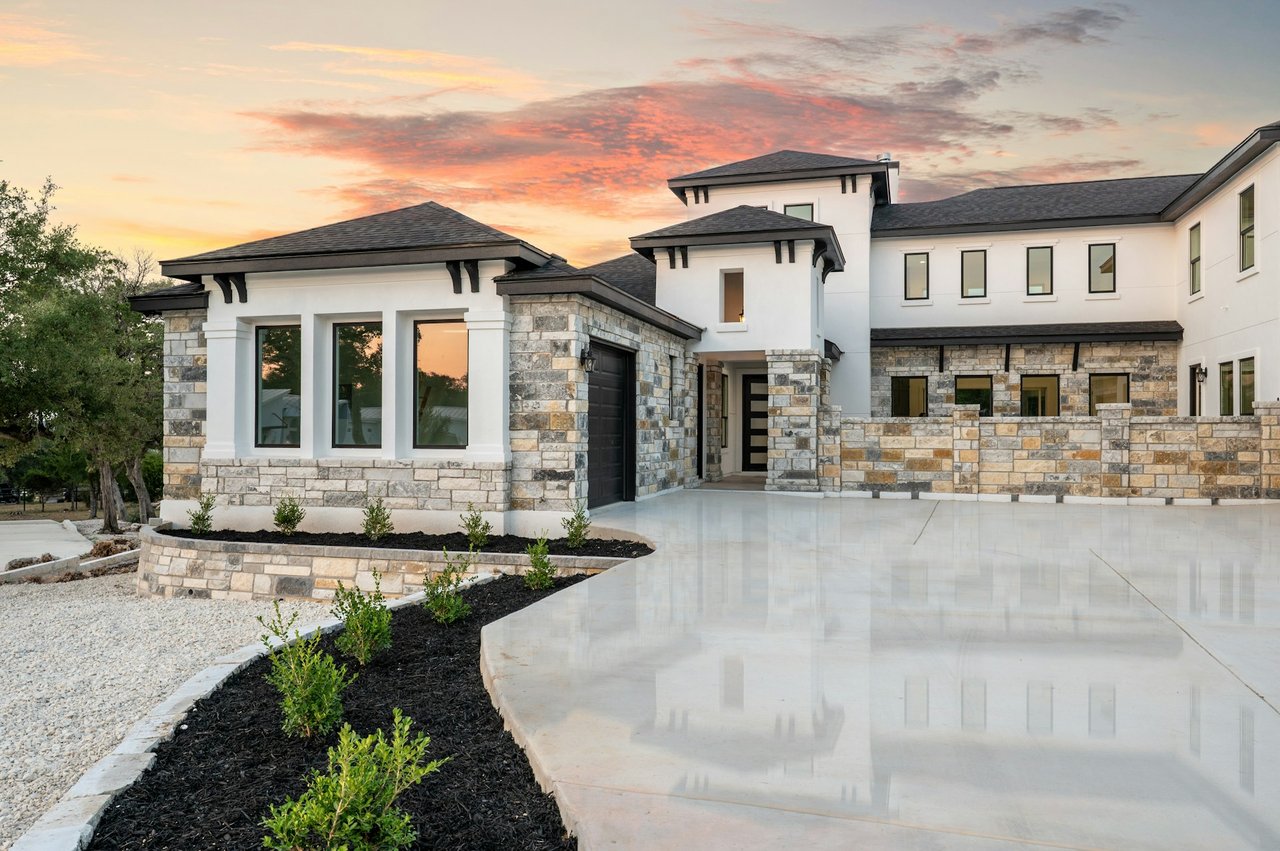
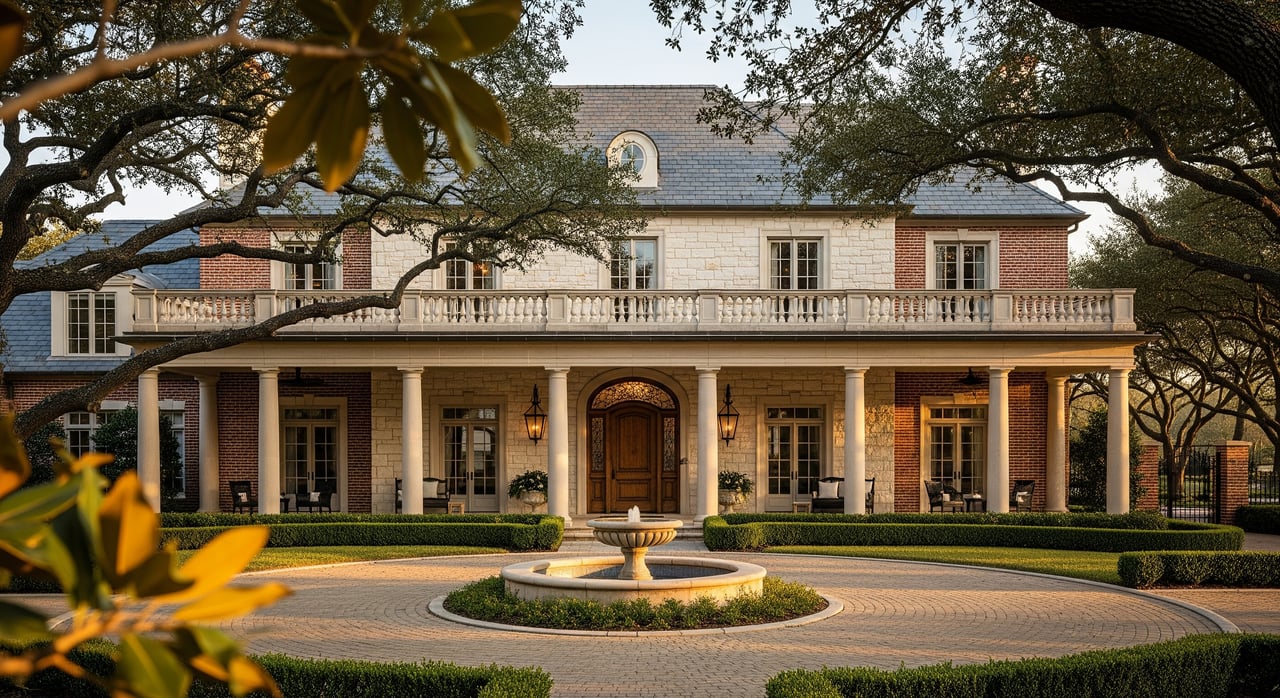
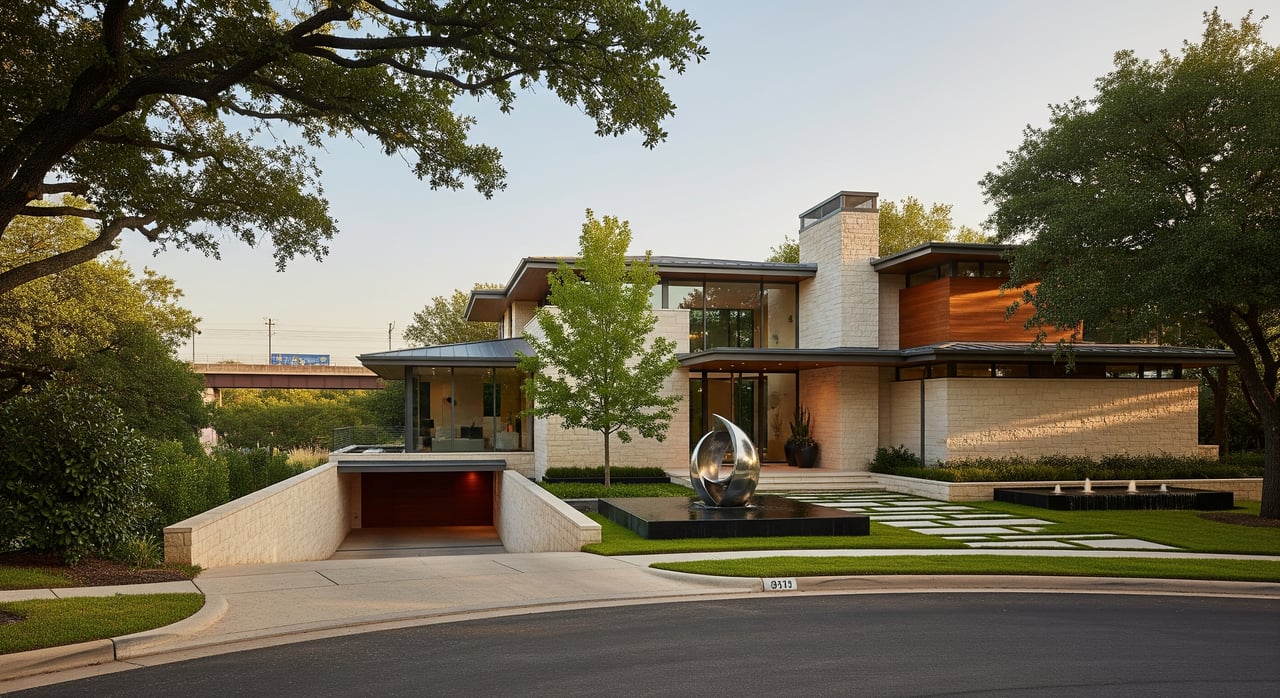
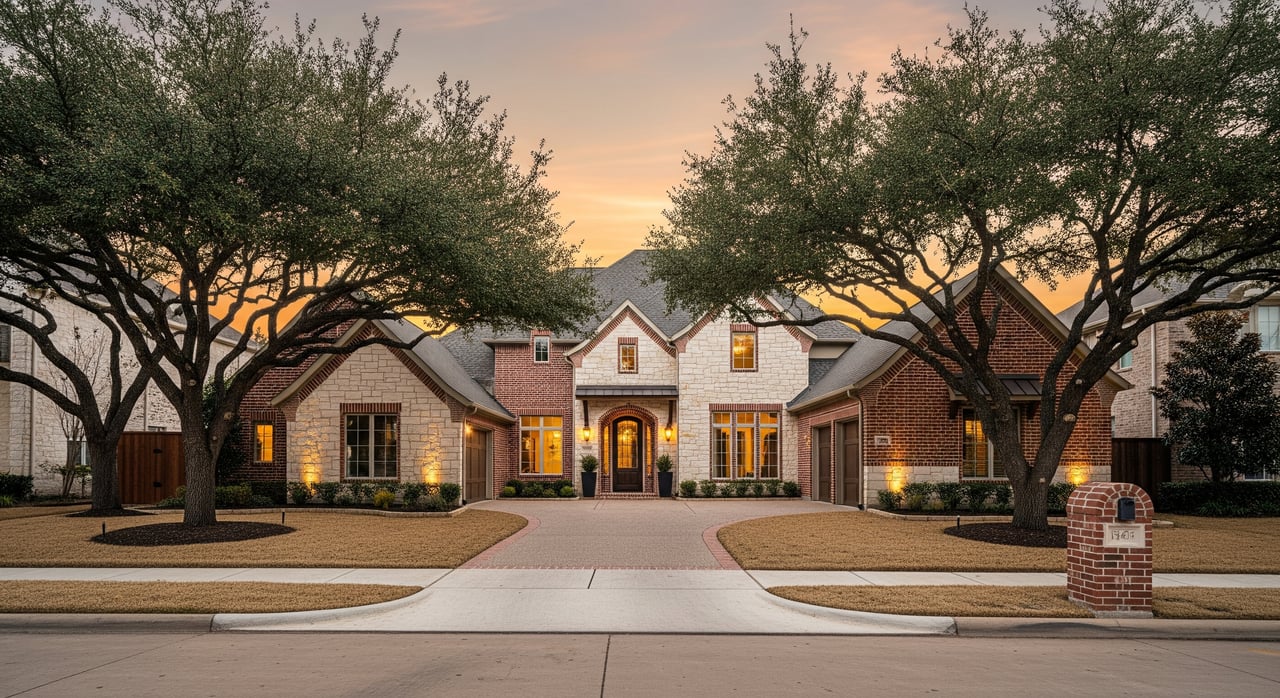
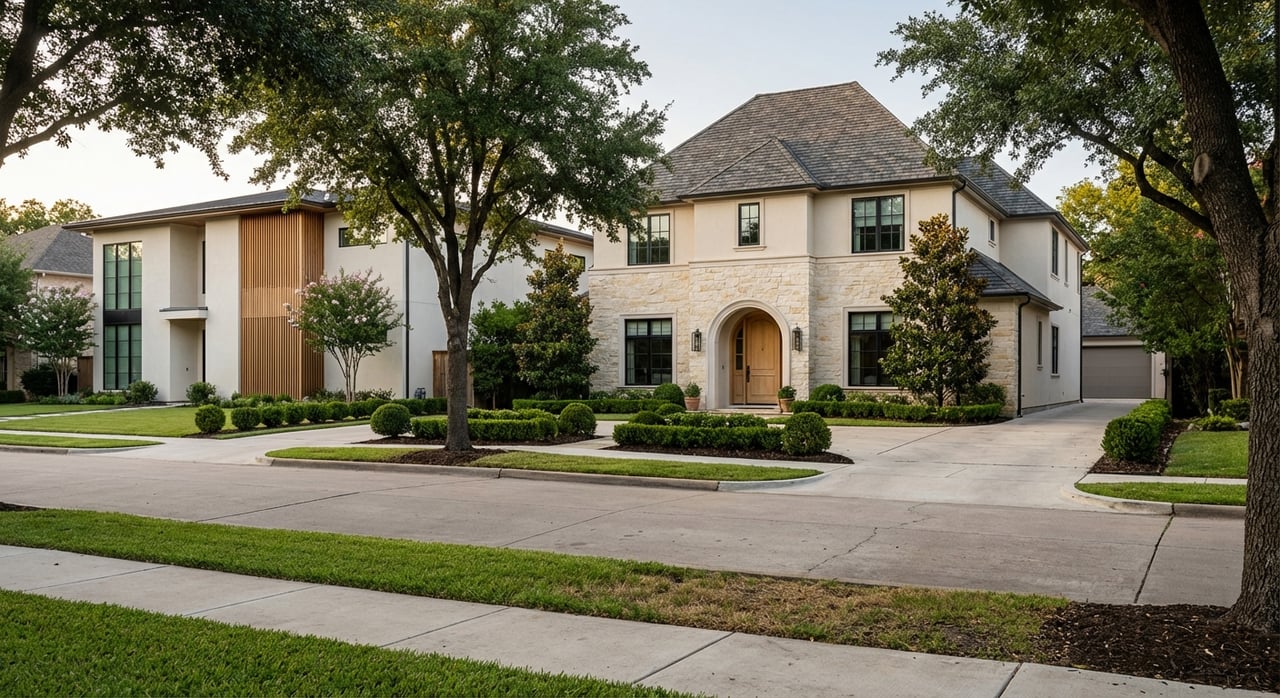
You’ll find early to mid-20th-century cottages, bungalows, and Tudor or Traditional homes, many extensively renovated. Over time, some smaller homes have given way to larger new builds, so streets often mix period charm with newer Mediterranean, transitional, and contemporary styles.
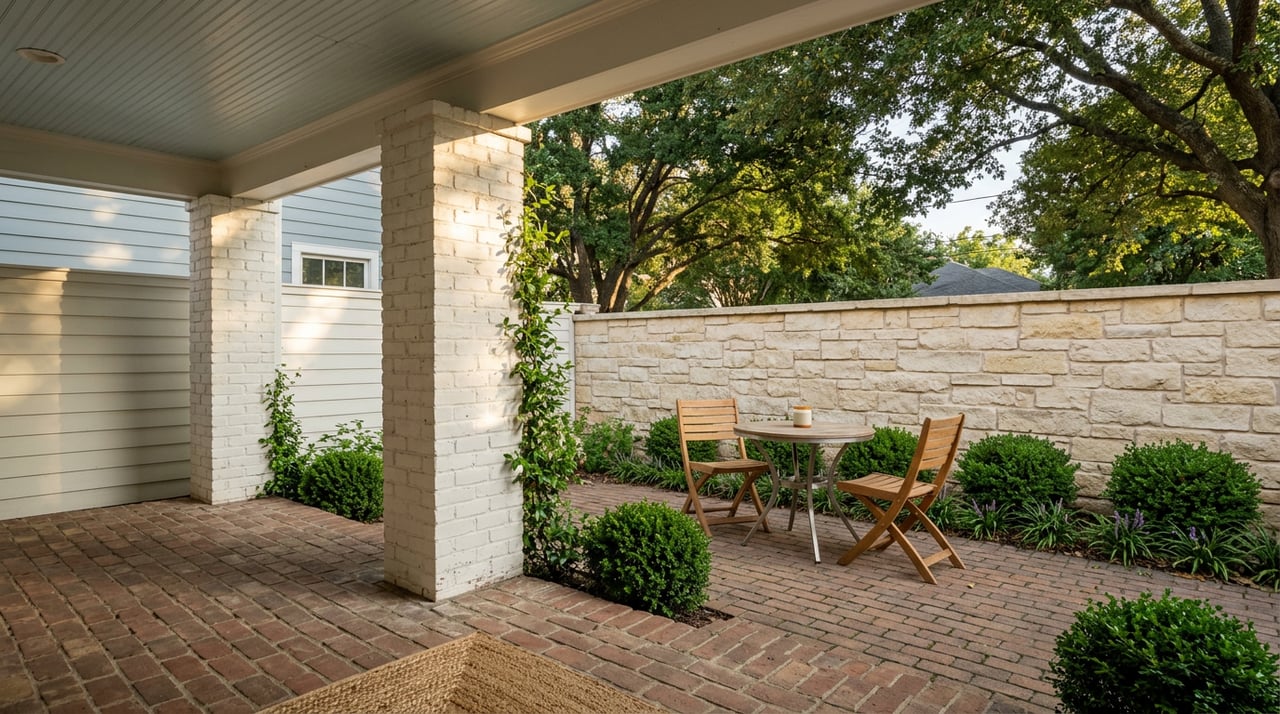
There is no single average lot size across the city. Historic lots commonly run in the 50 by 140 range, roughly 7,000 to 8,500 square feet, with many blocks offering 0.16 to 0.2 acre lots. You will also find select opportunities in the 0.25 to 0.4 acre range and very rare larger holdings. Because size varies widely by block, have your agent pull exact dimensions for each property you tour.
University Park is a high-value market. Recent snapshots point to typical single-family values in the low to mid 2 million dollar range, though exact medians vary by source and month. Proximity to SMU and walkable nodes often comes with smaller lots and more activity on event days. Larger lots and newer builds command premiums. Low inventory and strong district demand have historically supported resale value, but all markets are cyclical, so review current months of inventory and days on market during your search.
Ready to find a University Park home that fits your routine? Connect with the J.Klefeker Group for white-glove guidance, on-the-ground block advice, and a smooth, end-to-end buying experience.