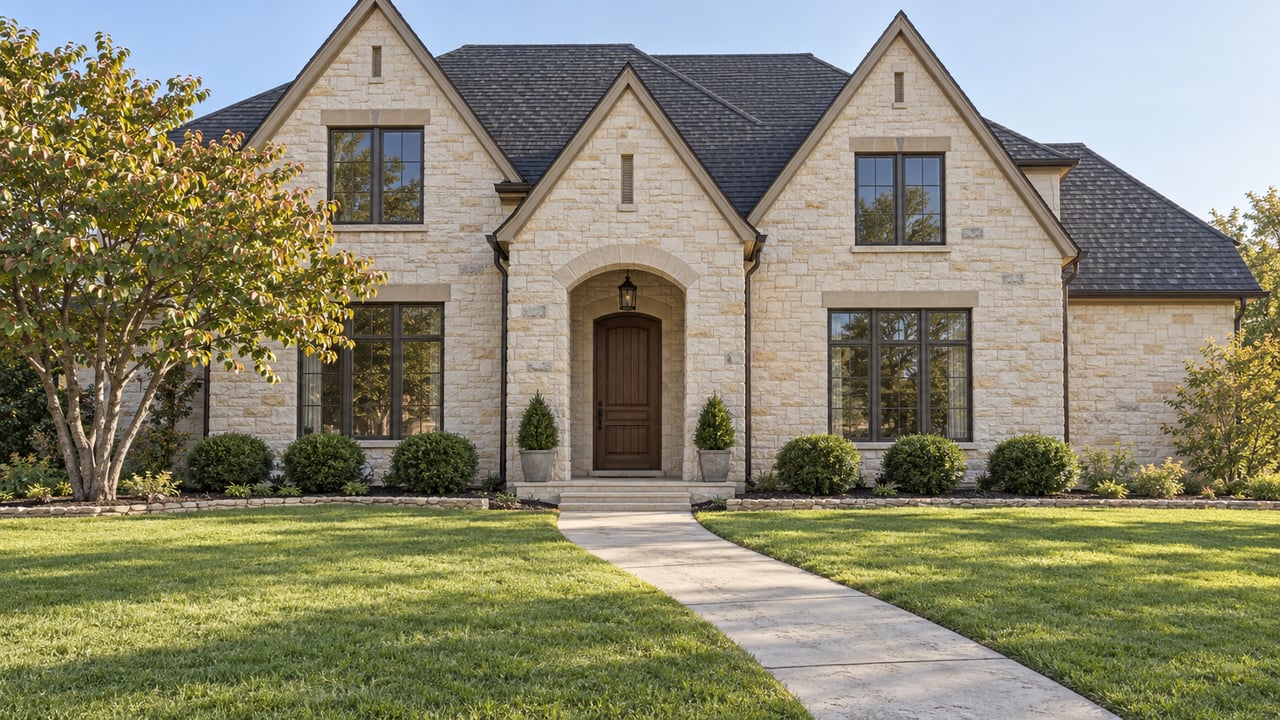
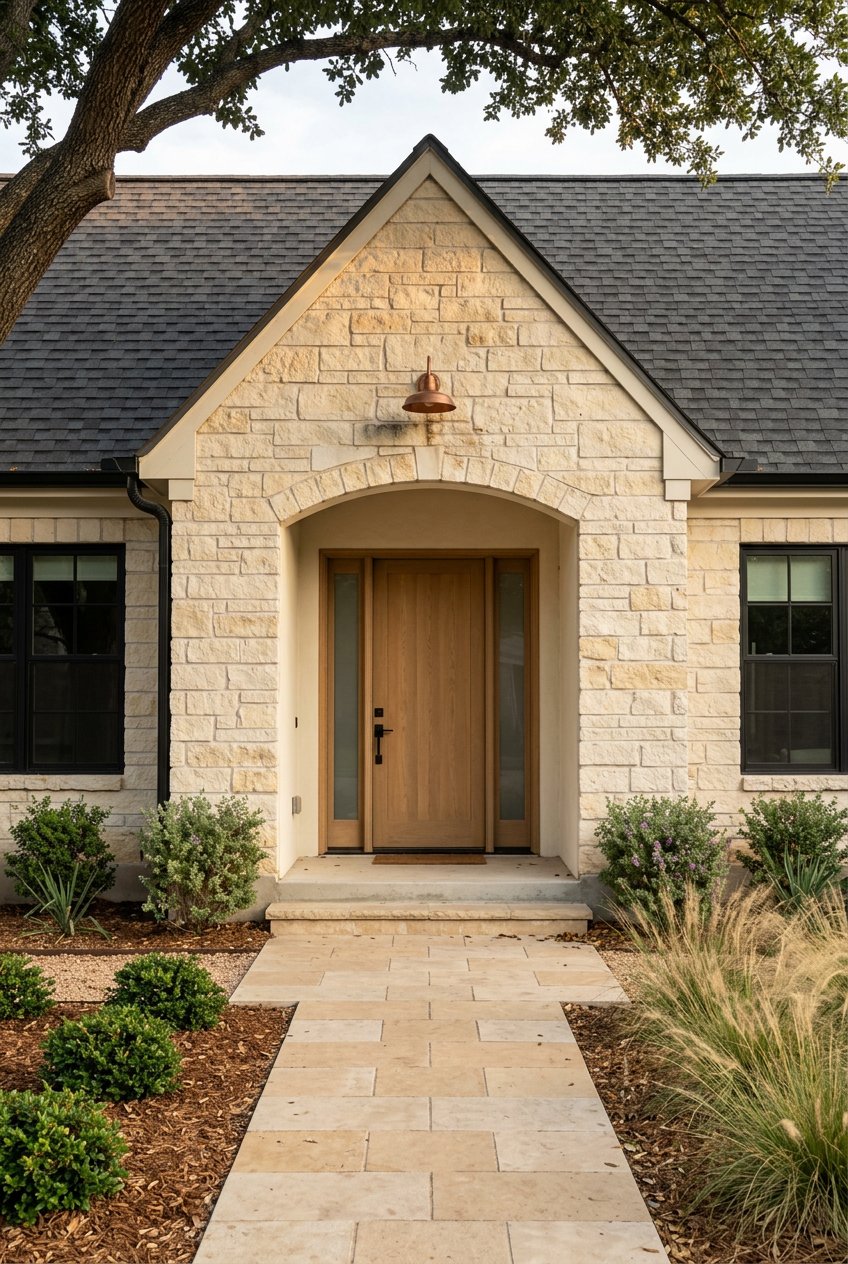
Imagine stepping out your front door and strolling to coffee, dinner, or a festival on Historic Main Street. If you are ready to trade yard work for a walkable lifestyle, Grapevine offers a charming, convenient next chapter. In this guide, you will learn what homes and condos near Main Street really cost, how property taxes and exemptions work for retirees, what to expect with HOAs and historic rules, and smart ways to time your move. Let’s dive in.
Grapevine sits inside the Fort Worth–Arlington metro and commands a premium for its amenities and historic character. Analysts place Grapevine inside HUD’s Fort Worth–Arlington–Grapevine market area, which has a relatively tight new‑construction pipeline and mixed affordability pressures. That helps explain why a downtown, walkable lifestyle near Main Street can price higher than car-first suburbs. You can review the broader metro context in HUD’s market report for background on supply and demand dynamics in the region. HUD’s CHMA summary for Fort Worth–Arlington–Grapevine provides helpful context.
For retirees, the practical takeaway is choice. You will see smaller condos and townhomes in the lower-to-mid hundreds and updated cottages or luxury condo conversions at higher price points near Main Street. Inventory shifts seasonally, so getting clear on your must‑haves early helps you move quickly when the right place appears.
Here is what typically shows up within or just off the Historic Main Street core. Prices are representative and based on recent public listings and MLS snapshots as of early 2026. Always verify current pricing and days on market with your agent.
Representative examples to illustrate range only:
These are not offers. Confirm current HOA inclusions, dues, and assessments with the association or management company before you decide.
Grapevine’s total tax bill comes from several jurisdictions. The City’s adopted rate is a portion of your bill, with a combined effective sample near 1.66 percent of assessed value when overlapping entities are included. The City provides an overview of how rates stack. Review the City of Grapevine’s property tax page.
What that looks like in practice: if a home is assessed at $550,000, a combined rate near 1.66 percent would produce an annual bill around $9,000 to $10,000 before exemptions. Your exact bill will depend on the certified rates for that year and your net taxable value.
If you are over 65 and make the home your primary residence, the City offers the state‑maximum 20 percent general homestead exemption plus an additional over‑65 exemption and a tax ceiling on the City portion. You should confirm exemption amounts and file through the Tarrant Appraisal District after closing. City budget documents summarize the over‑65 provisions. See Grapevine’s exemption details in the City budget. For filing and status, consult the appraisal district’s resources and deadlines.
Condos and many townhomes include a monthly or quarterly HOA fee. In downtown‑area condos, dues commonly run from the low hundreds to the mid‑hundreds per month, depending on building size, amenities, and what the fee covers. Because dues can change, you should verify current amounts, special assessments, reserve studies, and insurance coverage with the HOA or management company. Budget your total monthly cost as property tax plus HOA (if any) plus homeowners or condo insurance plus a maintenance reserve.
Condos generally shift exterior maintenance to the association, which can lower your personal to‑do list. Historic cottages put you in charge of roofing, exterior, systems, and yard. Older homes can also carry different insurance considerations. Ask your agent for local insurance referrals so you can compare quotes for a condo policy versus a single‑family policy on a pre‑1950 structure.
If your target is inside Grapevine’s designated historic districts, exterior changes will likely need review and approval by the Historic Preservation Commission. Design guidelines address items like additions, window replacements, siding, and visible materials. Interiors typically follow standard permitting, but exterior work has a specific process and timeline. Build that review into your schedule and budget if you plan to renovate. You can learn more about the process in the City’s preservation resources. Read Grapevine’s Historic Preservation overview and guidelines.
The strongest lifestyle difference you will feel near Main Street is walkability. Addresses immediately adjacent to Main Street often score in the 80s on Walk Score, meaning most errands can be accomplished on foot. City‑wide averages are lower, and nearby suburban communities are more car‑dependent. You can see an example score for the Main Street area here. Check a Walk Score example for Main Street.
For regional trips and the airport, Grapevine’s Main Street is served by TEXRail at the Grapevine/Main Street station, which links to downtown Fort Worth and DFW Airport’s Terminal B. That can make doctor visits, dining, or travel simpler without relying on the car every time. Visit the regional operator to review schedules and parking information. See Trinity Metro’s site for TEXRail service.
Everyday convenience matters in retirement. Main Street gives you short walks to boutiques, restaurants, tasting rooms, and seasonal festivals and markets. A full‑service hospital, Baylor Scott & White Medical Center – Grapevine, is nearby, along with clinics and specialists throughout the mid‑cities corridor. If frequent appointments are part of your routine, factor drive times and transit access into your neighborhood shortlist.
If you are selling a long‑time home, you may have significant equity. Your timing strategy can protect that equity while keeping your move smooth.
If the home you are selling has been your primary residence for at least two of the last five years, you may be able to exclude up to $250,000 of capital gain if single or $500,000 if married filing jointly. This can significantly affect your net proceeds. Read the IRS summary and talk with your tax professional about your numbers. Review IRS Publication 523 at a glance.
Use this quick plan to stay in control and avoid last‑minute stress.
For more ideas and pacing, a national checklist is a helpful reference. See AARP’s home sale checklist.
Often, yes on convenience and sometimes on total monthly cost, but it depends. Here is how to compare apples to apples.
For some retirees, shedding big‑ticket exterior upkeep and capturing equity from a larger house makes the condo route attractive. Others prefer a small cottage for privacy and yard space. There is no one right answer, only a right fit for your budget and lifestyle.
You deserve a plan that feels calm and customized. We help you clarify your target lifestyle, budget the monthly and one‑time costs, and coordinate the steps from sale to closing to move‑in. That includes trusted vendor referrals for organizers, movers, inspectors, and contractors, plus steady communication so you always know what is next. When historic‑district rules, HOA documents, or financing choices add complexity, we simplify it and keep the timeline moving.
Ready to talk through your options and map a plan that fits you? Connect with the J.Klefeker Group to book a consultation.