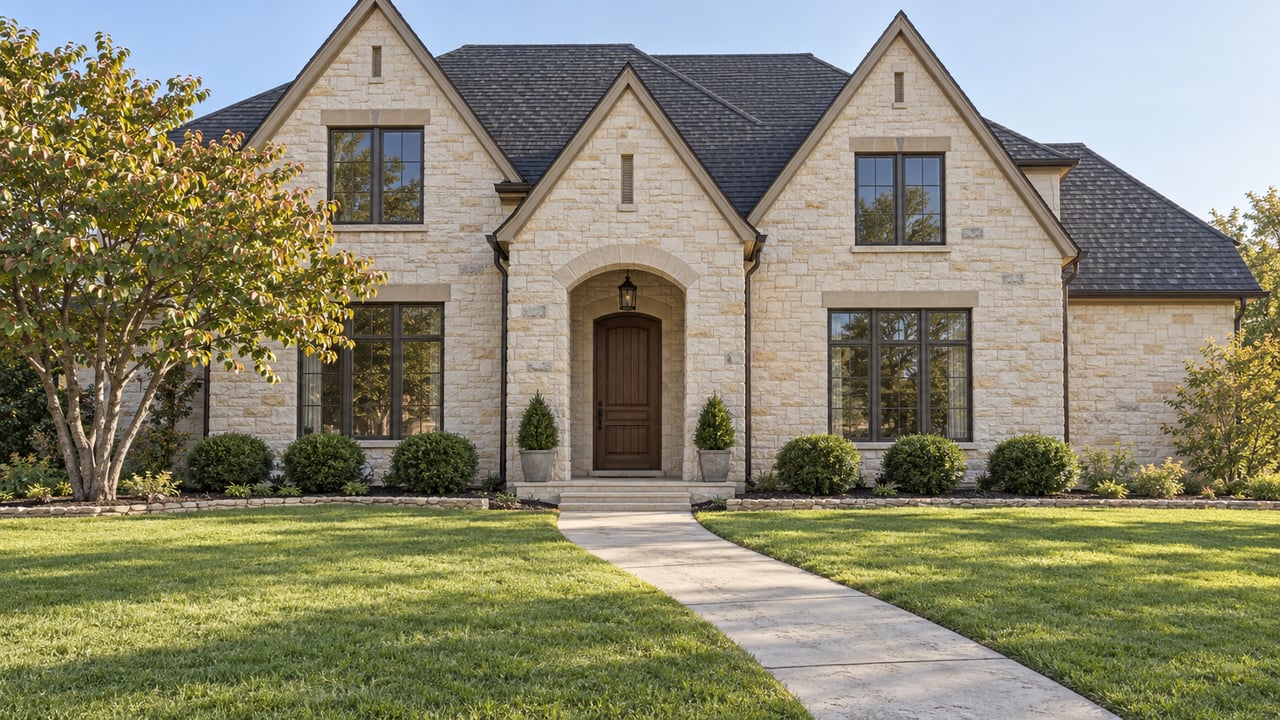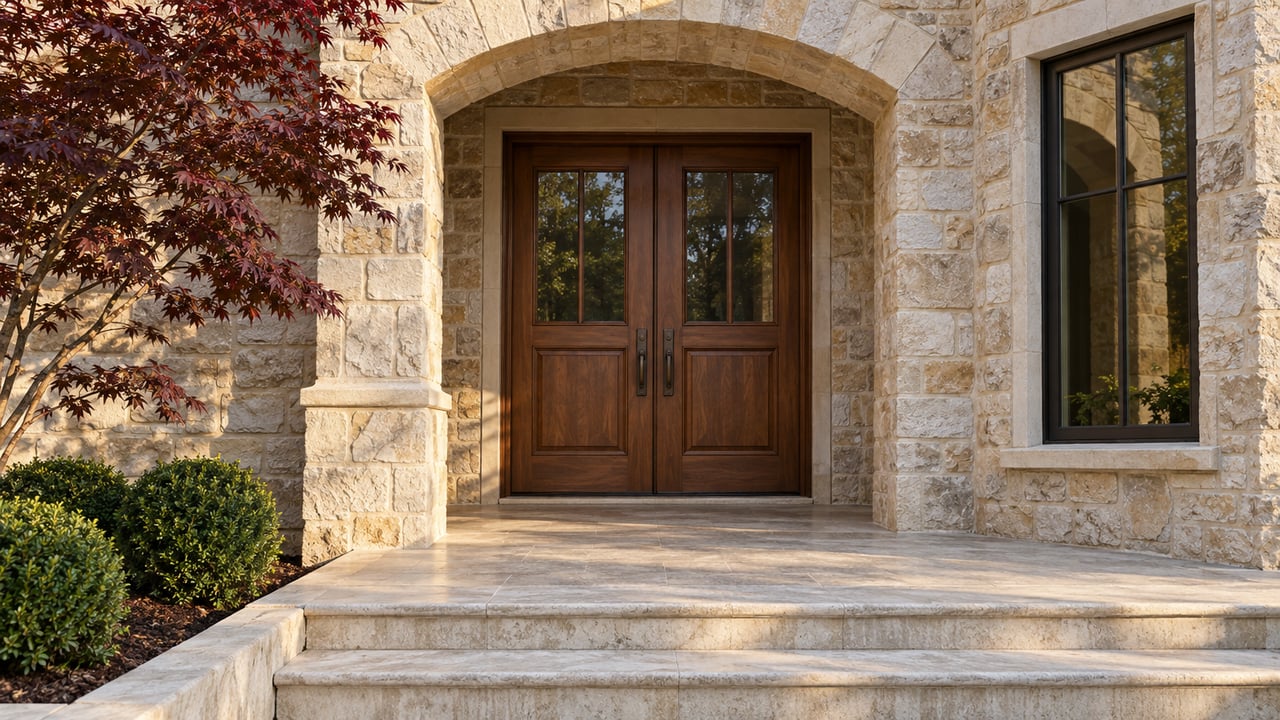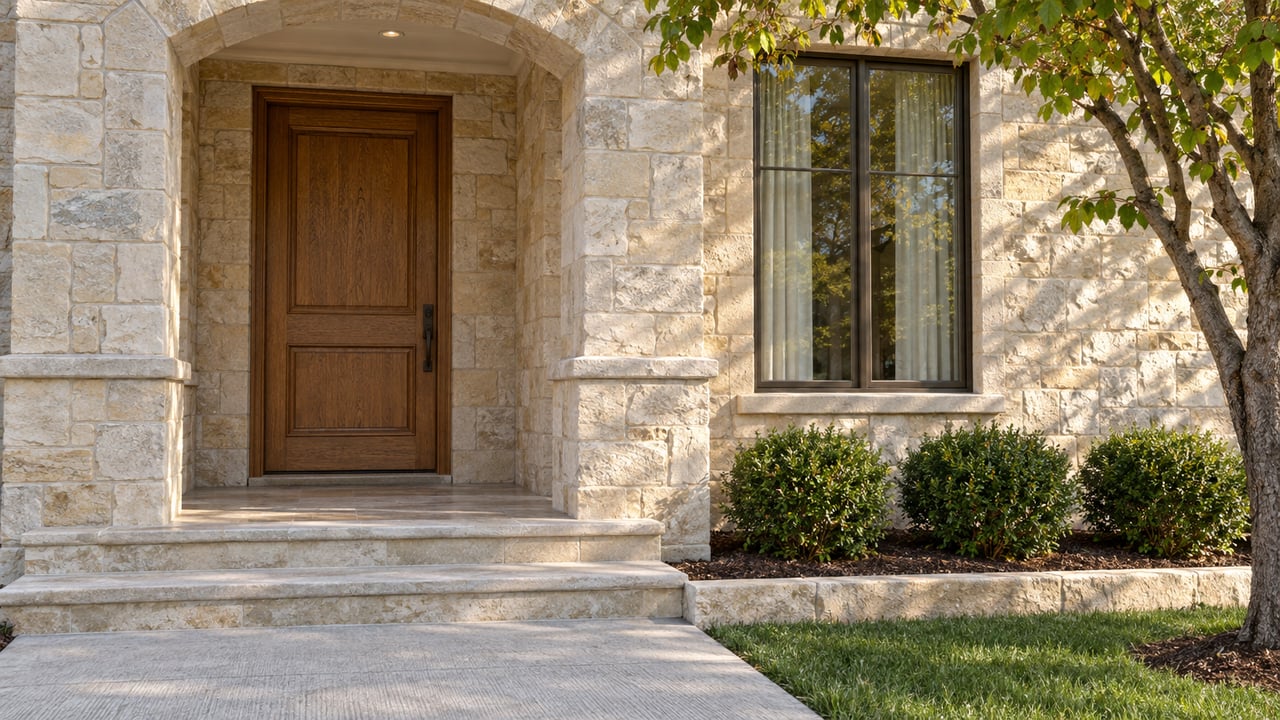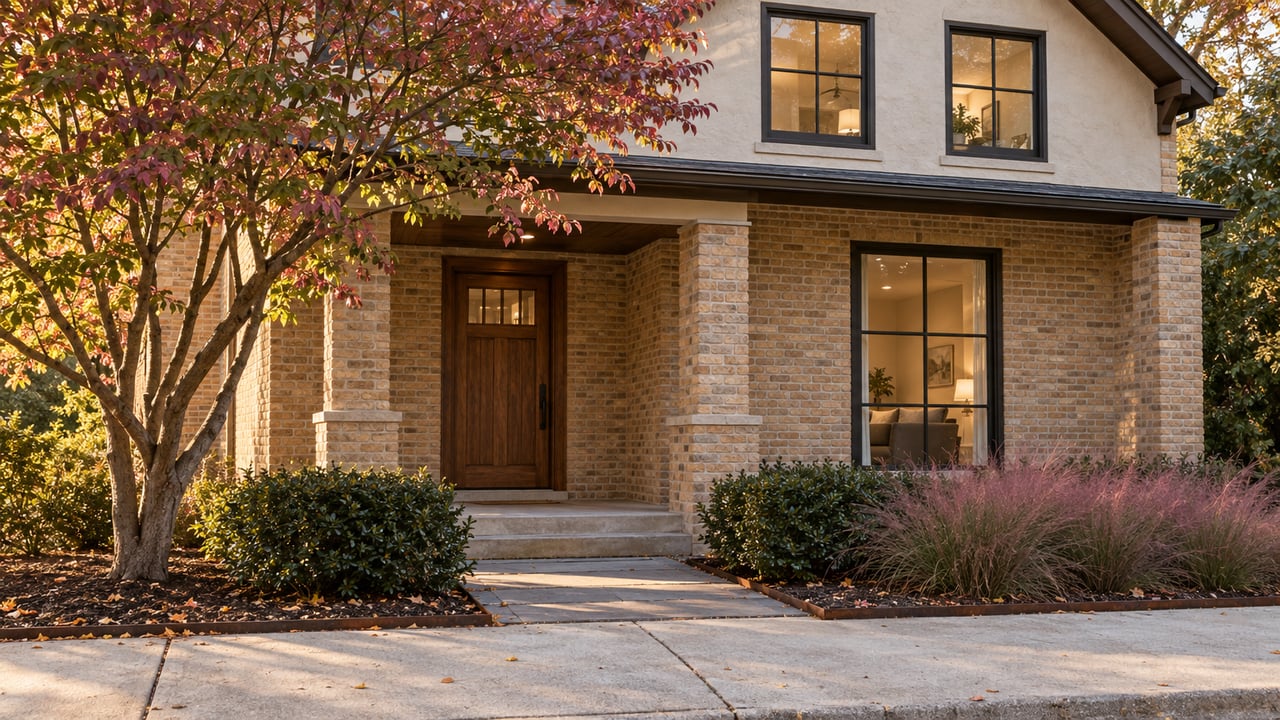
Thinking about a move to Colleyville? If you want more space, a quieter residential setting, and easy access to the rest of DFW, this city tends to get your attention quickly. For many buyers, the challenge is figuring out whether Colleyville feels too quiet, too expensive, or just right for daily life. This guide will help you understand how Colleyville lives day to day, how its housing stock stands apart, and what to compare before you buy. Let’s dive in.
Colleyville is a small suburb in north Tarrant County with an estimated 2025 population of 26,599. It sits in a different lane than some nearby cities because it is highly residential and highly owner-occupied, with a 96.7% owner-occupied housing rate. That gives the city a more stable, neighborhood-first feel than many mixed-use suburban markets.
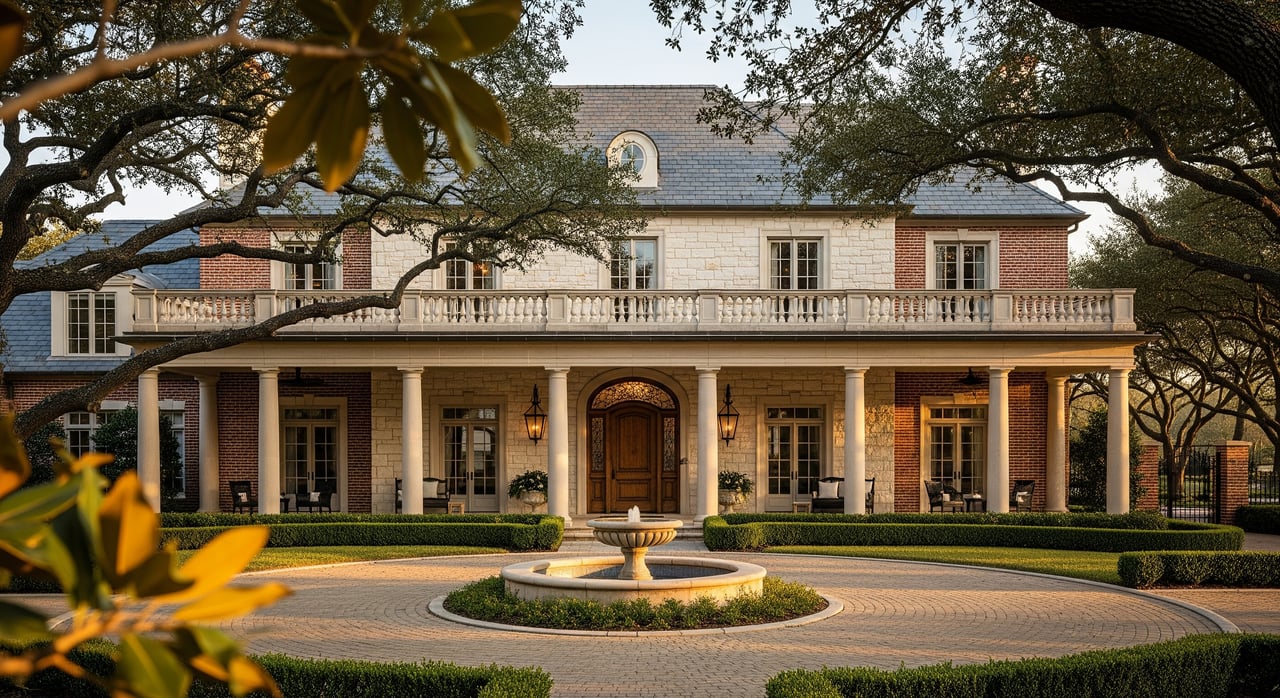
It also occupies a useful middle ground in the local market. Census QuickFacts shows a median owner-occupied home value of $784,900 in Colleyville, compared with $1,014,500 in Southlake and $493,100 in Grapevine. In practical terms, that means Colleyville often appeals to buyers who want estate-style surroundings and larger residential lots, but may be comparing value and lifestyle across all three cities.
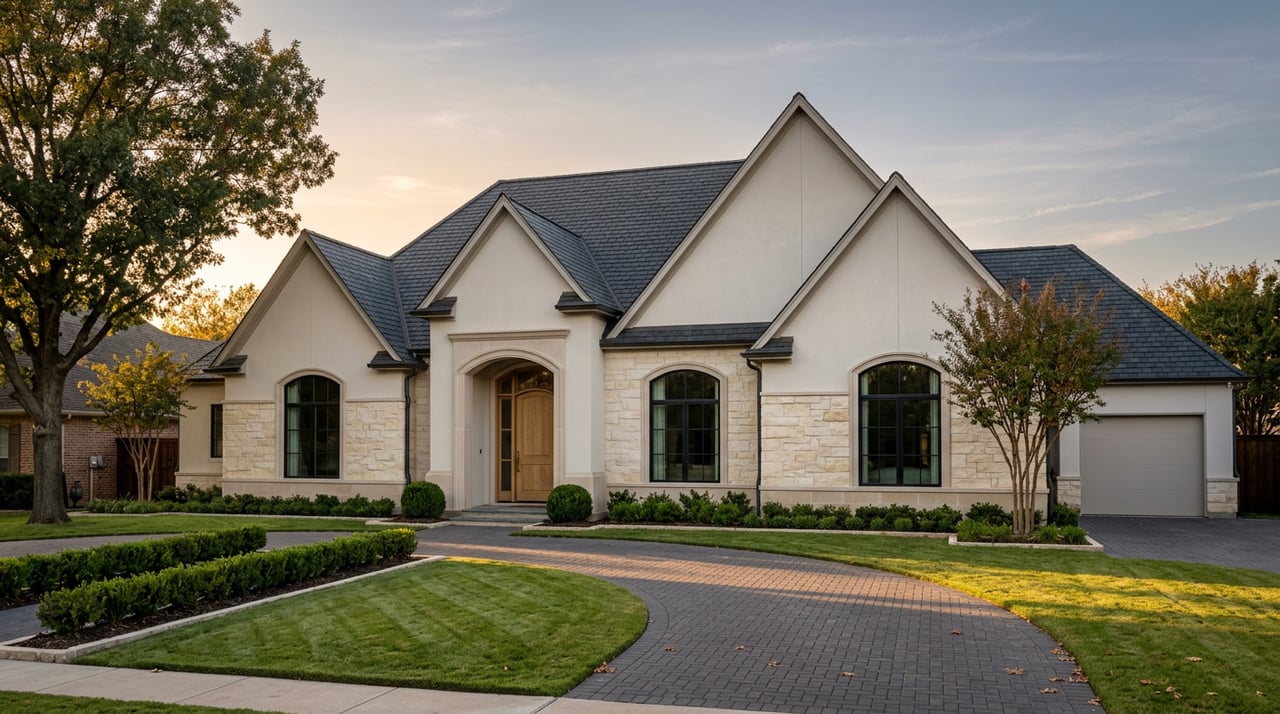
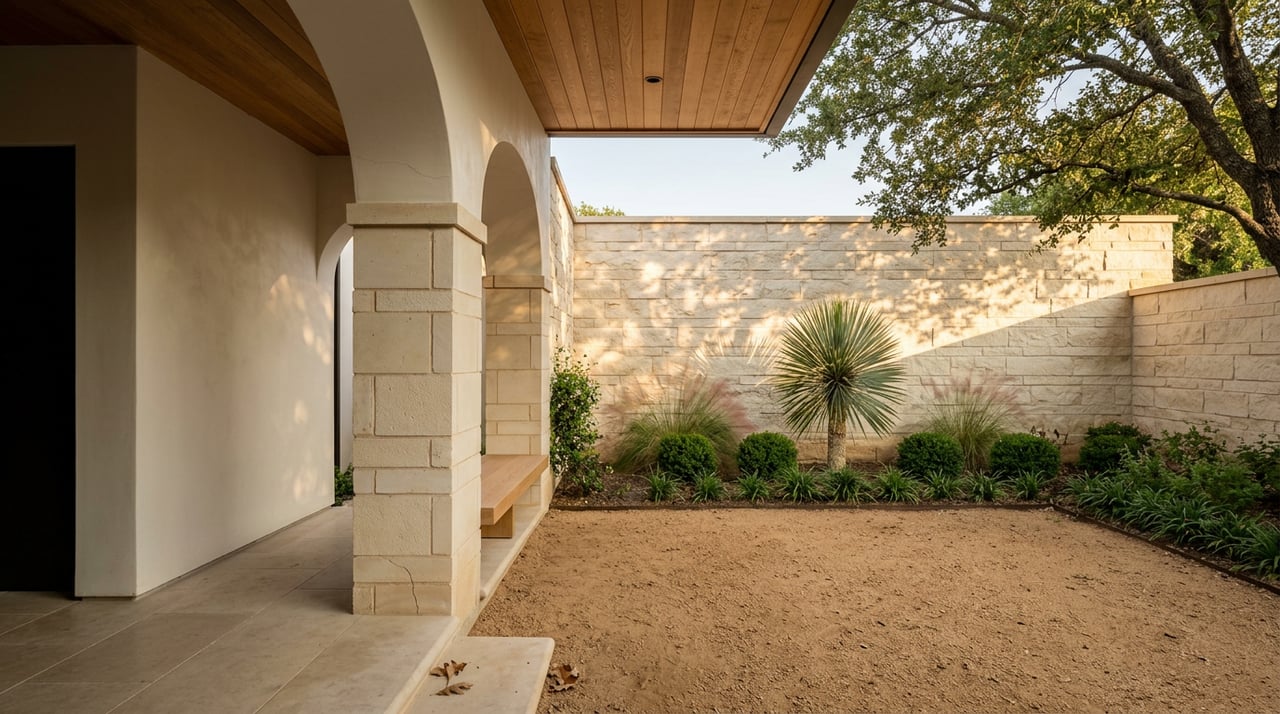
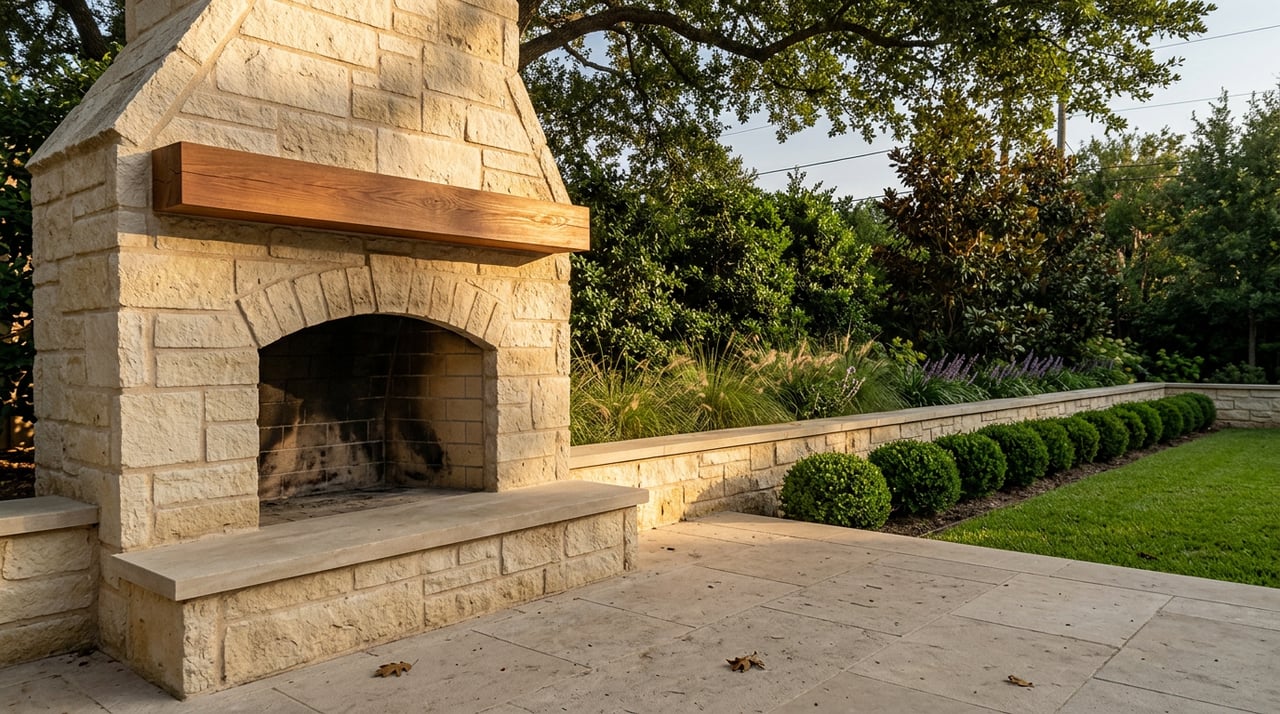
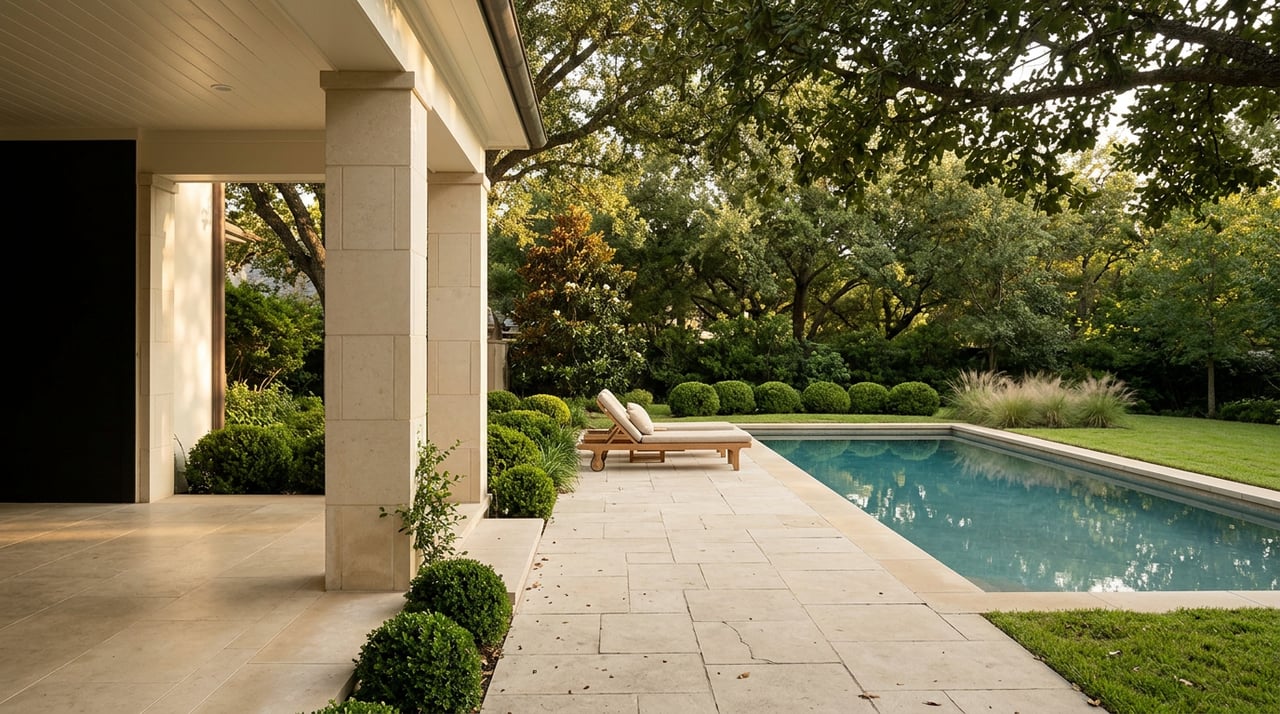
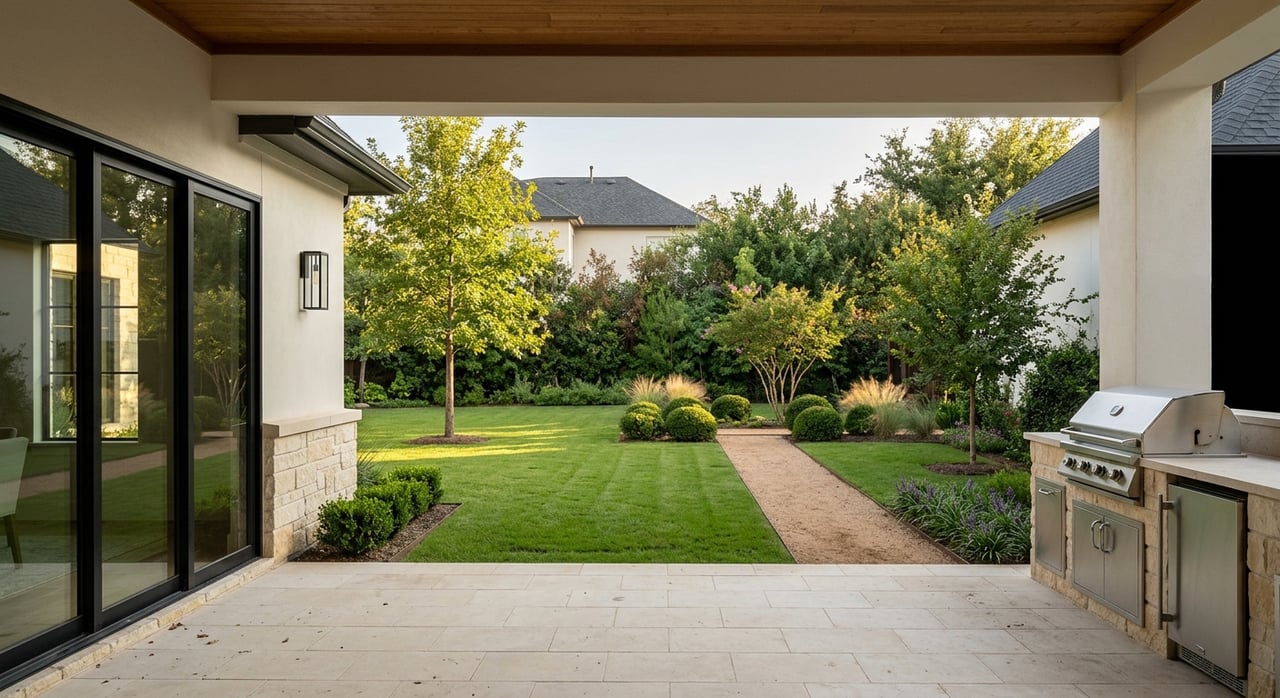
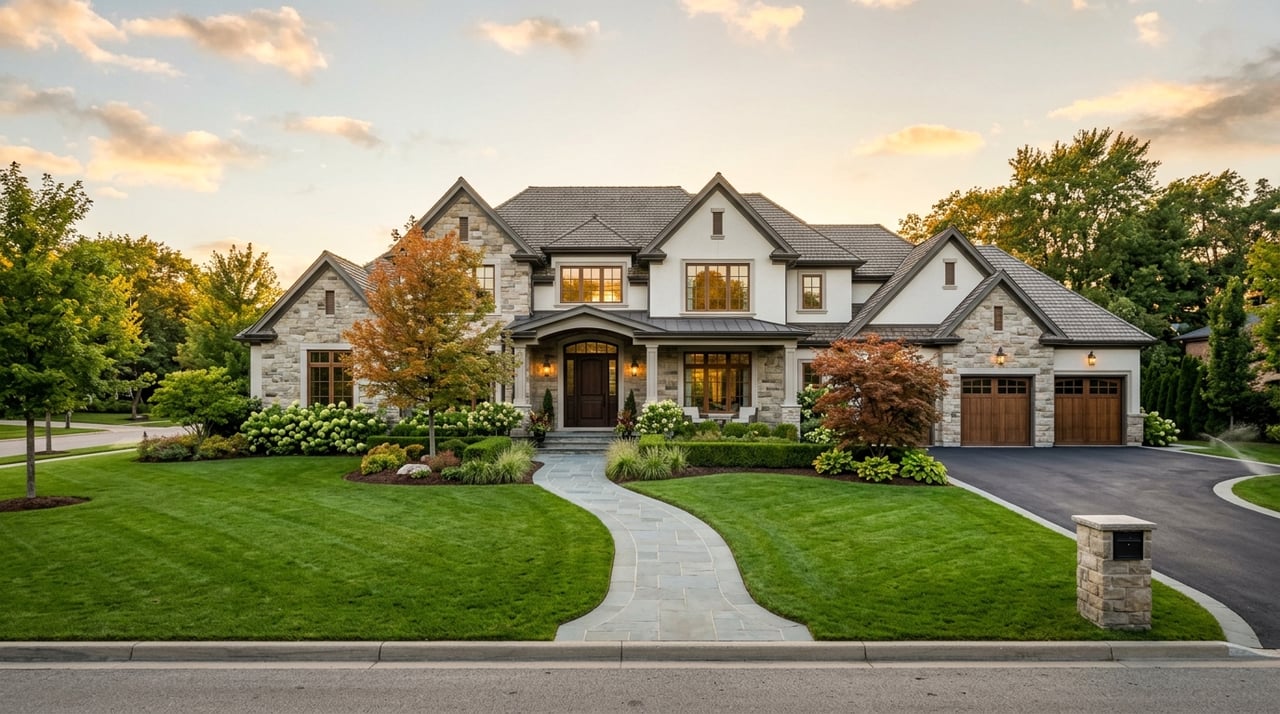
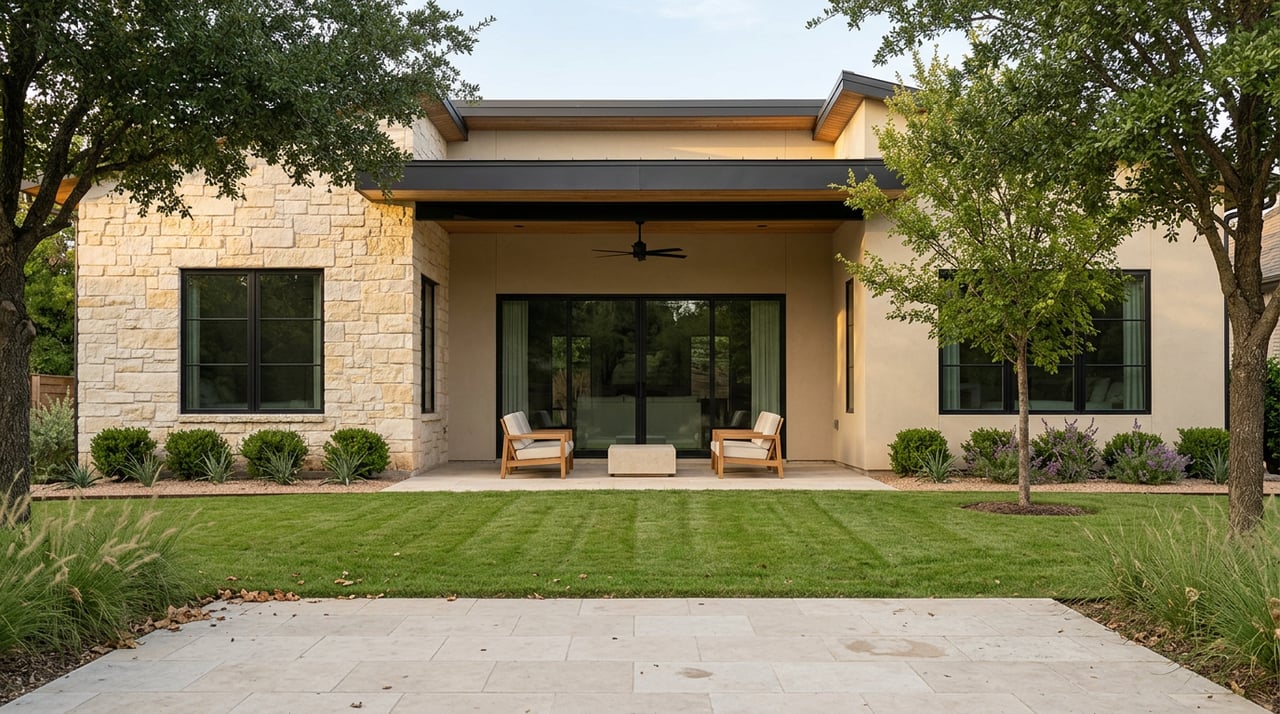
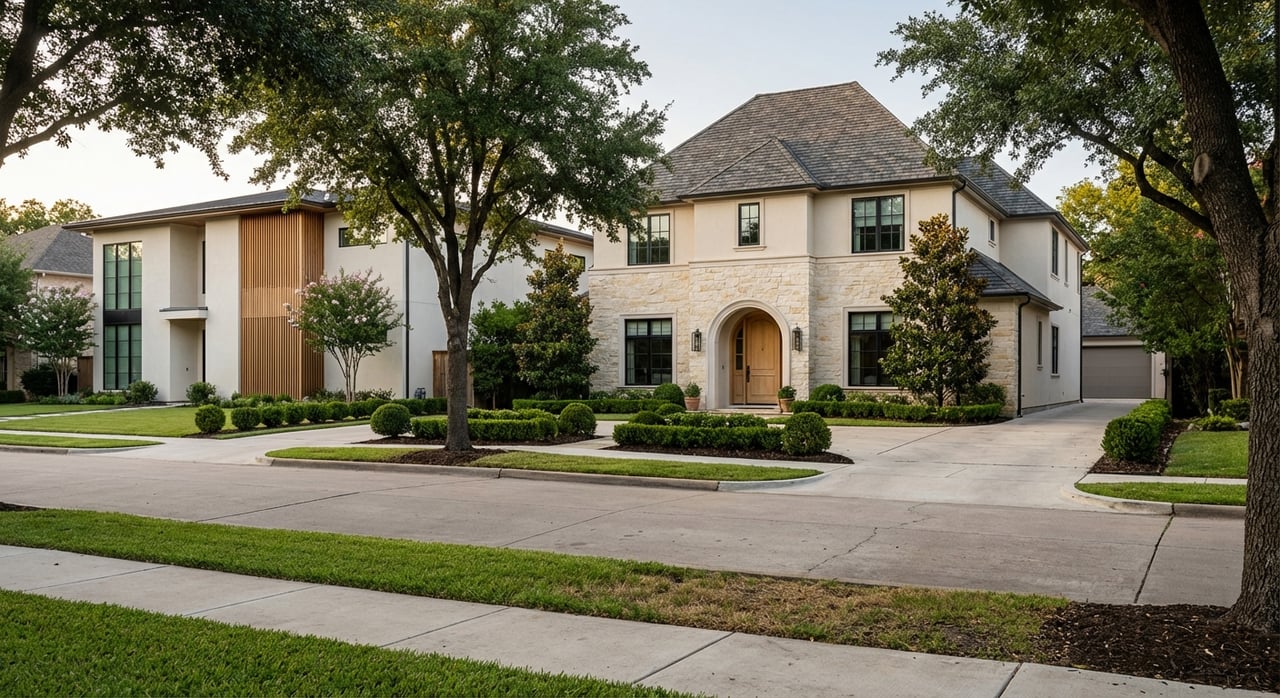
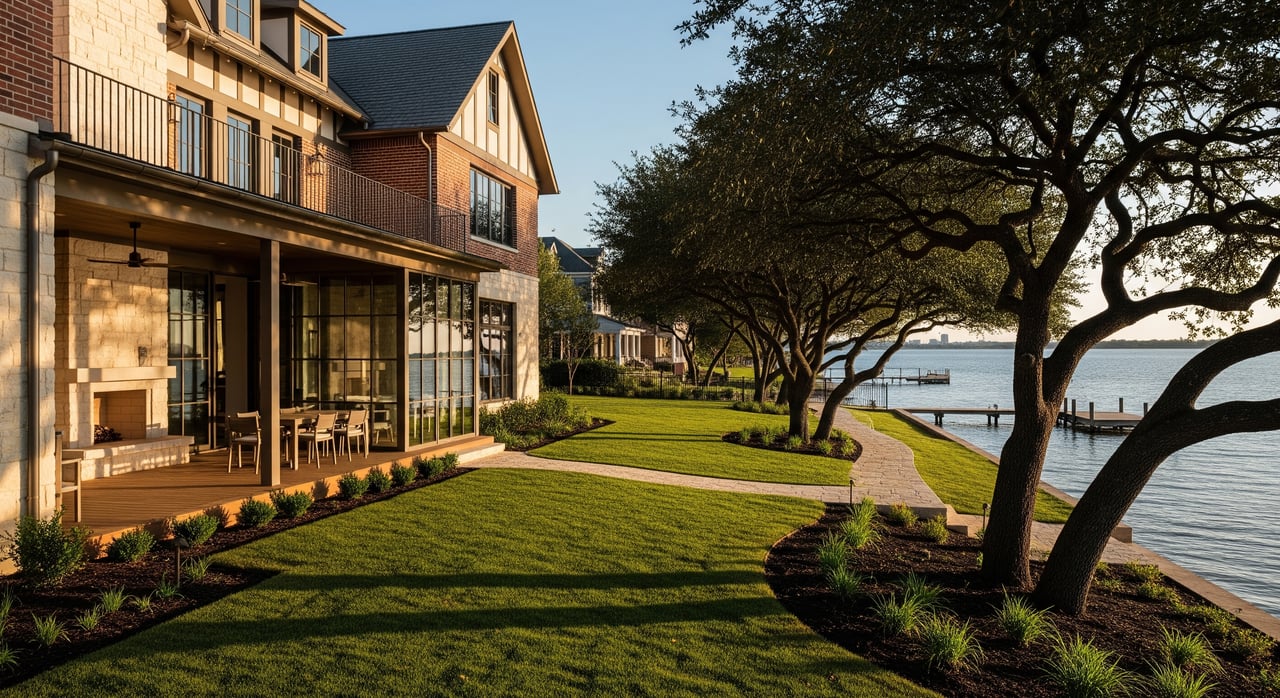
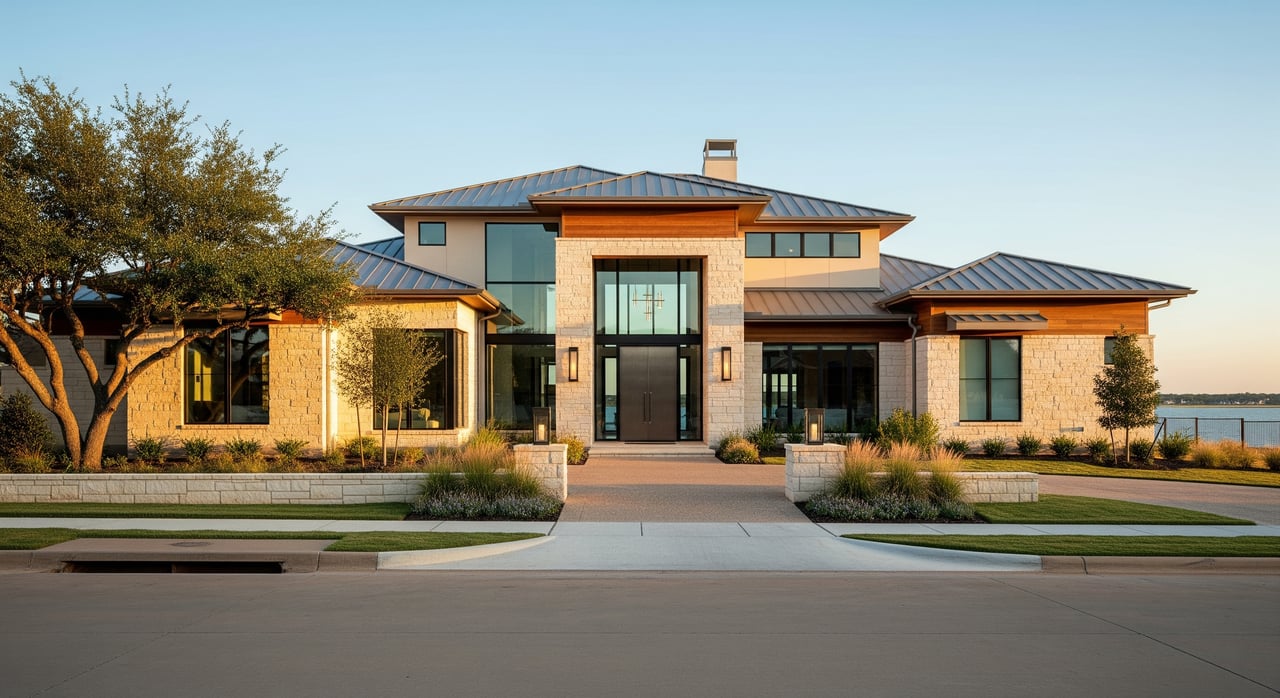
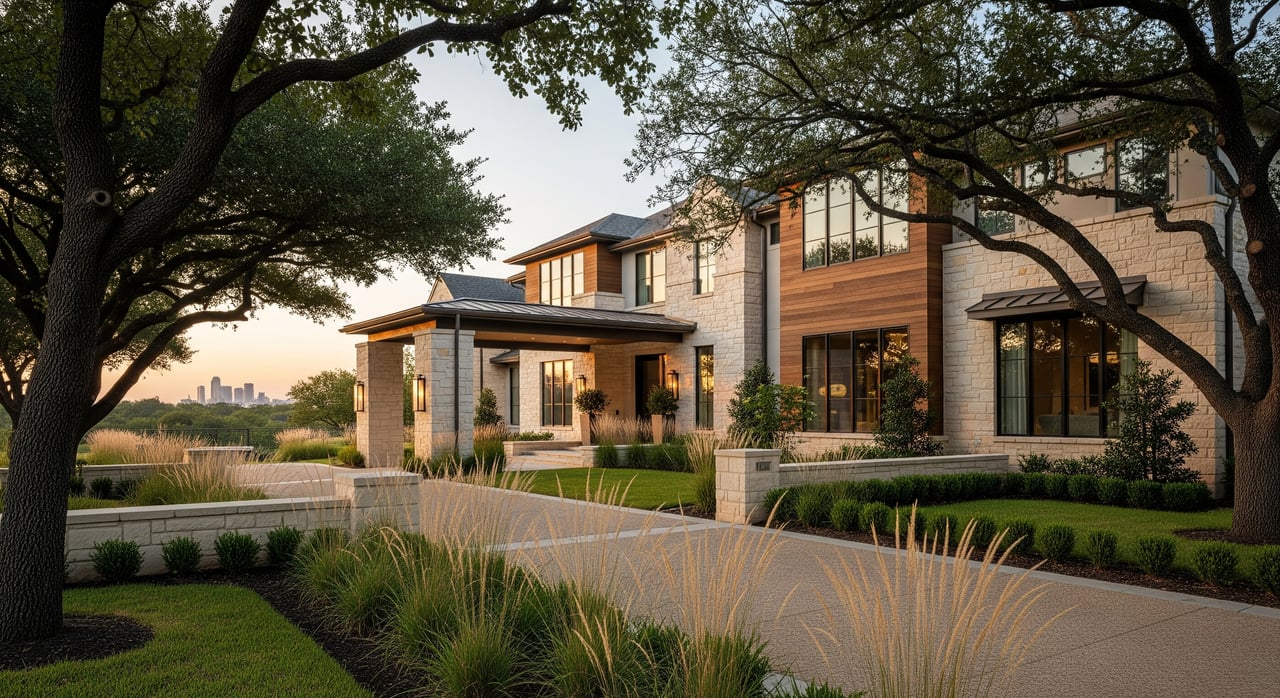
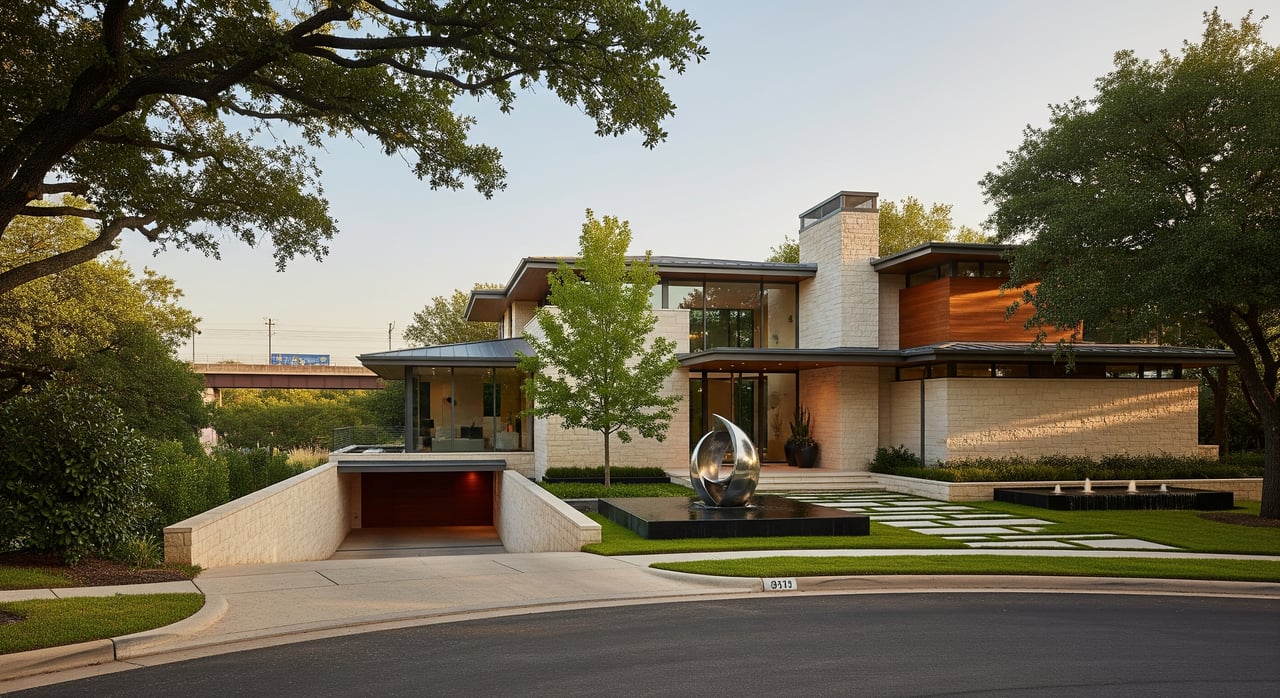
One of the clearest things about Colleyville is that it is planned to stay low-density. The city’s comprehensive plan emphasizes preserving high-quality, large-lot neighborhoods with natural settings, and it sets a maximum density of 1.8 dwelling units per net acre. New residential development is also expected to contribute to the city’s rural feel.
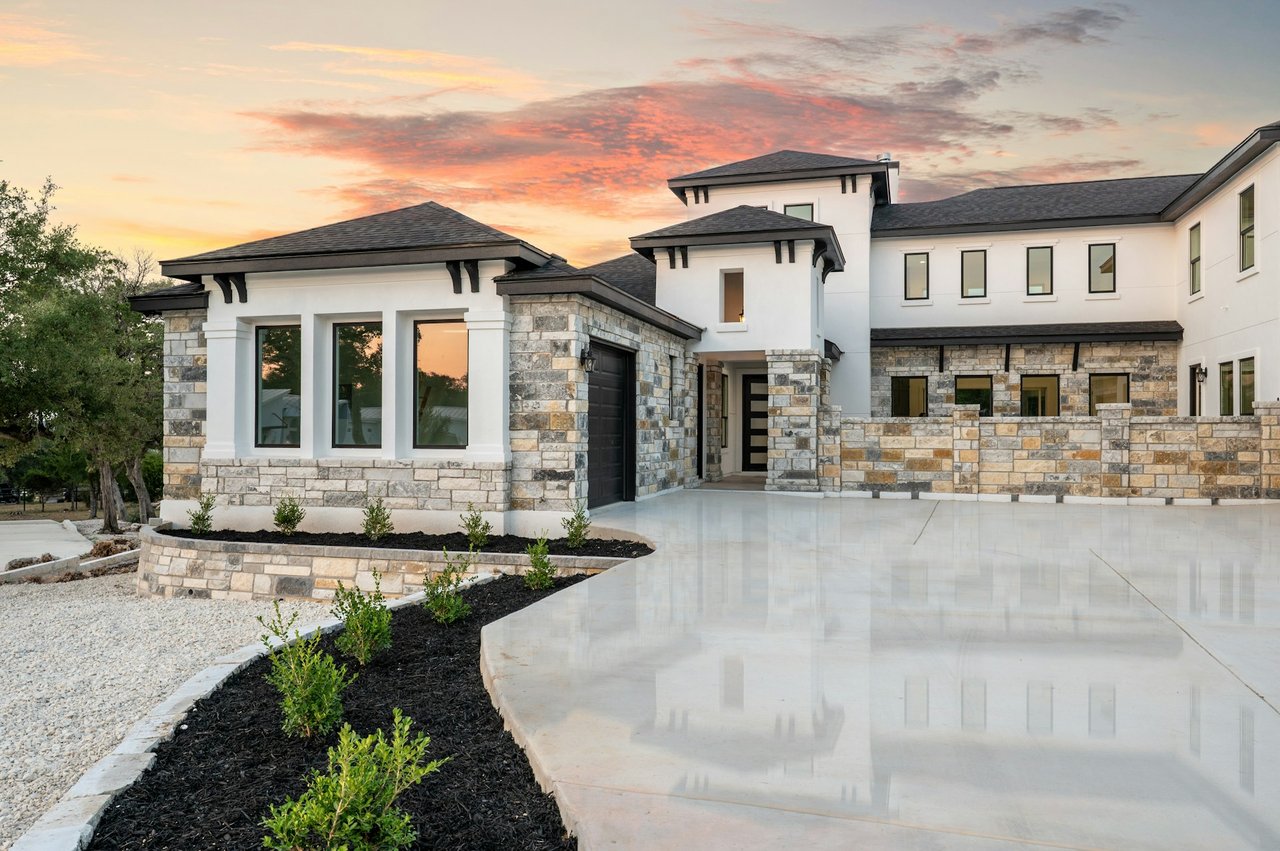
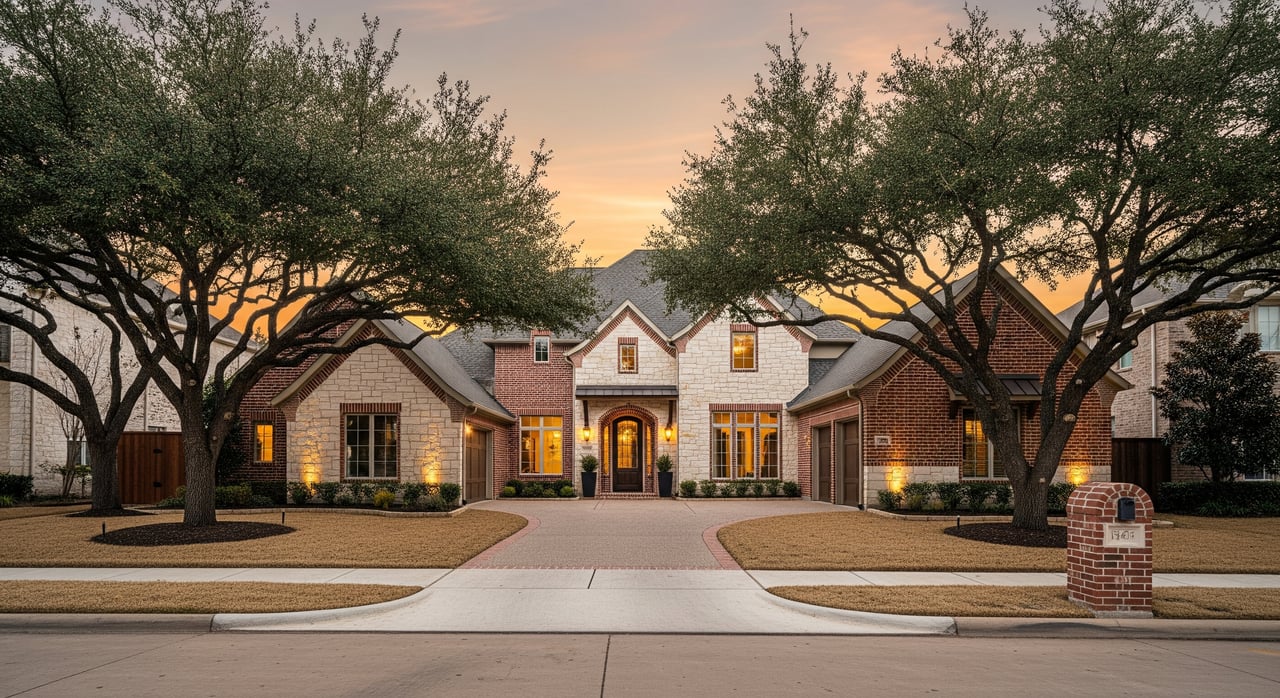
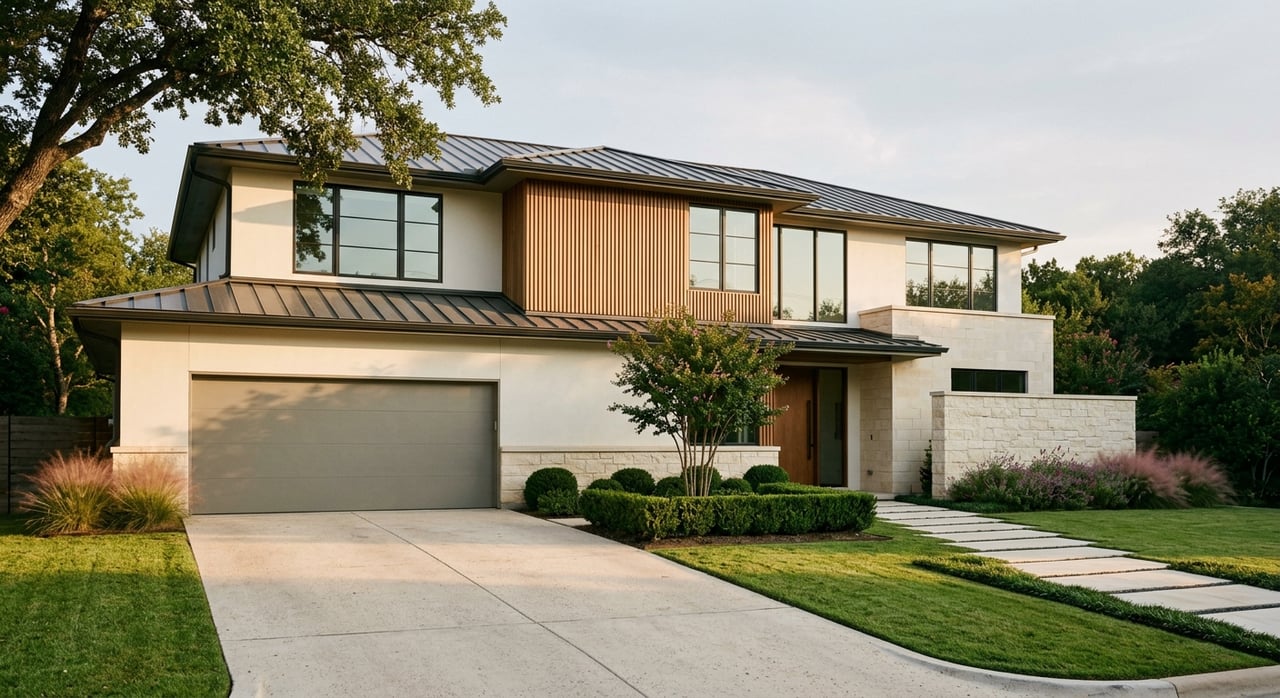
That matters if you are relocating from a denser suburb or urban neighborhood. In Colleyville, the housing conversation is less about compact master-planned living and more about custom homes, traditional suburban streets, and a setting that prioritizes space. You will also find some smaller-lot pockets in older parts of town, but the overall impression is still low-density and residential.
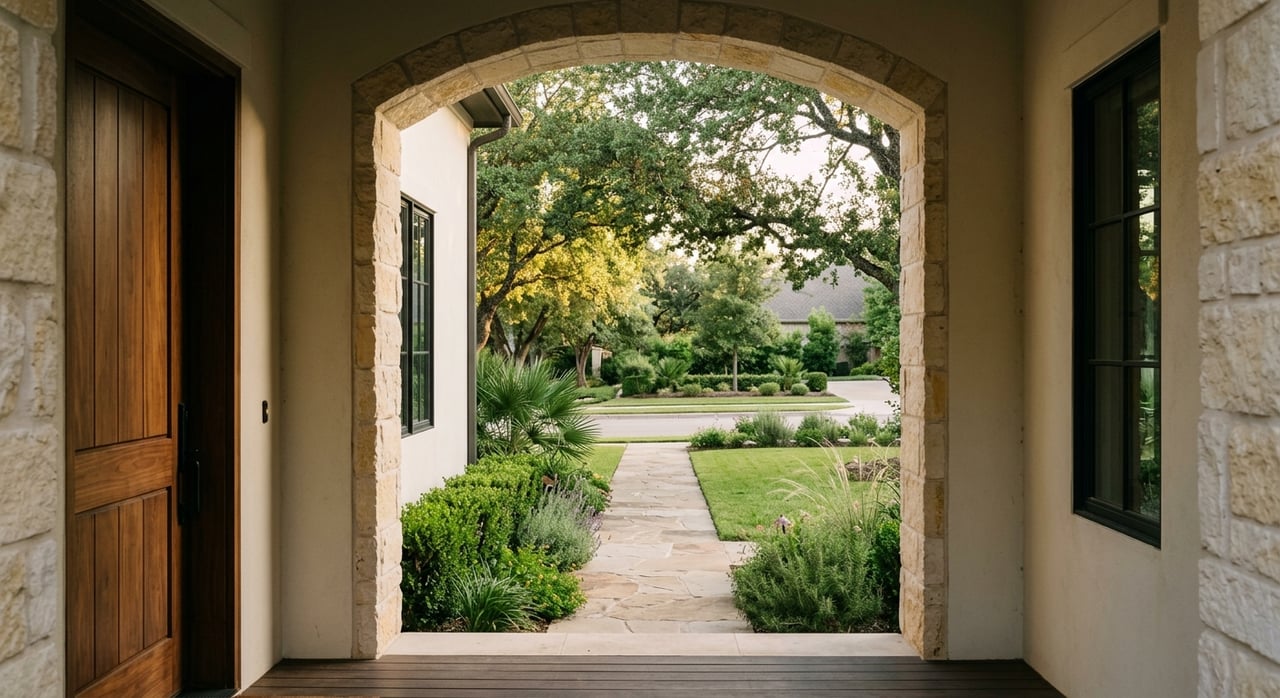
Colleyville works well for buyers who want a home that feels substantial without giving up convenience. The city profile highlights a rural feel paired with proximity to shops, restaurants, services, and DFW Airport. That balance is a big part of the appeal.
In other words, Colleyville is not isolated. You can enjoy larger-lot neighborhoods and a calmer streetscape while still staying close to daily errands and major destinations. For many relocators, that is the sweet spot.
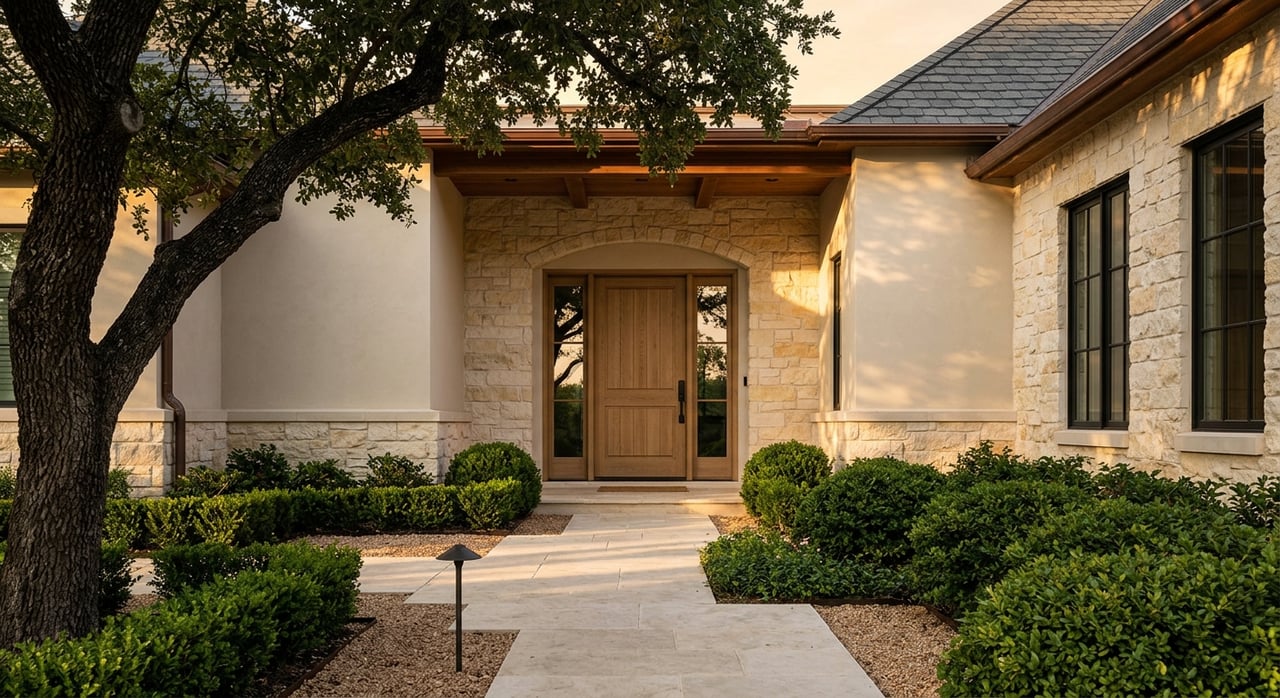
The city’s zoning framework includes estate and low-density districts such as RE, R-40, R-30, R-20, and R-15. That supports a market where lot size and neighborhood spacing are often part of the value. If you are shopping here, you should expect a housing mix shaped more by lot size, custom construction, and long-term residential planning than by high-volume density.
There is also some older local character in Colleyville. The city’s Webb House, a circa-1914 regional housing design, reflects the area’s earlier rural history. While that does not define the whole market, it helps explain why some older pockets can feel more traditional and vernacular than a newer suburban development.
A move is never just about the house. You are also buying into how daily life feels once the boxes are unpacked. In Colleyville, everyday life tends to center on parks, neighborhood streets, civic amenities, and easy regional access.
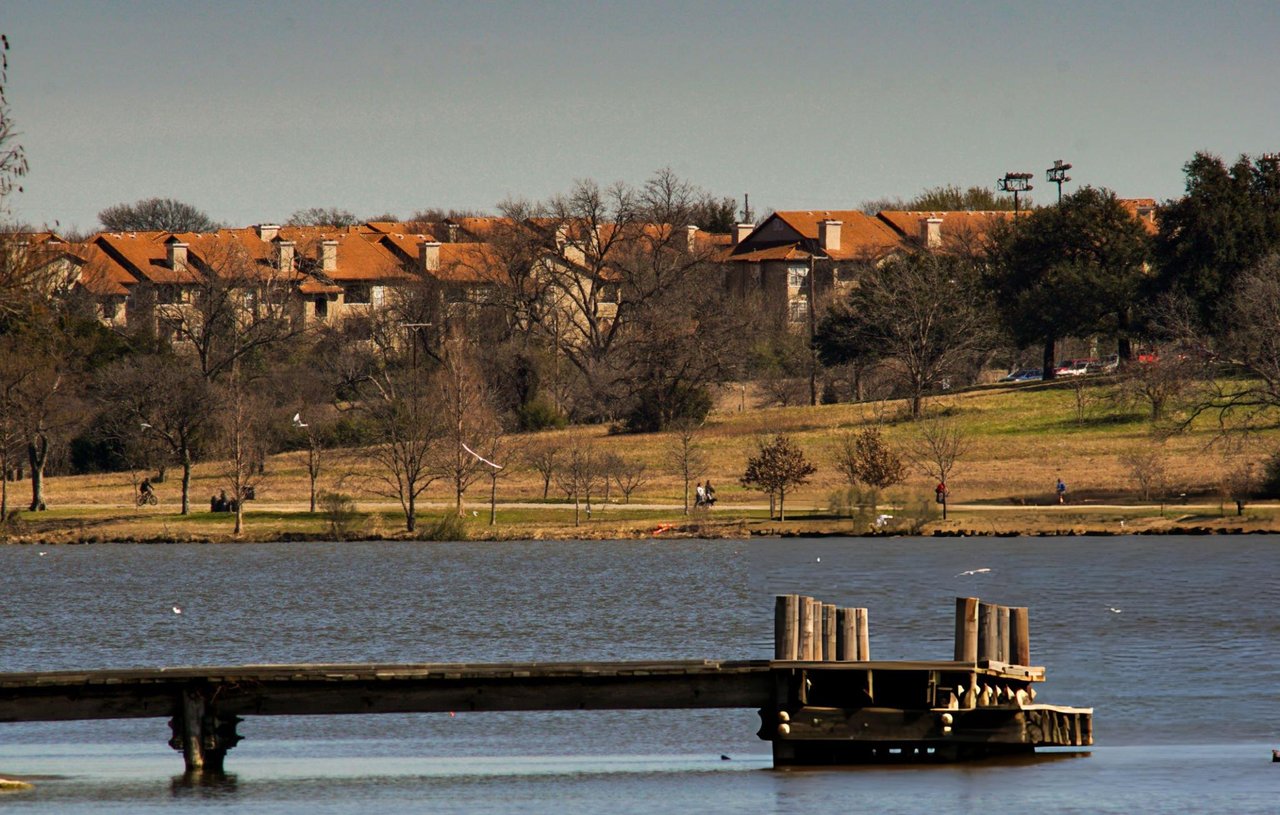
The park system includes Bransford Park, City Park, Colleyville Nature Center, Cotton Belt Trail, Heroes Park, and multiple rentable pavilions. Most park hours are 6 a.m. to 10 p.m., while the Nature Center follows sunrise-to-sunset hours. That gives residents a solid range of outdoor options without needing to leave town.
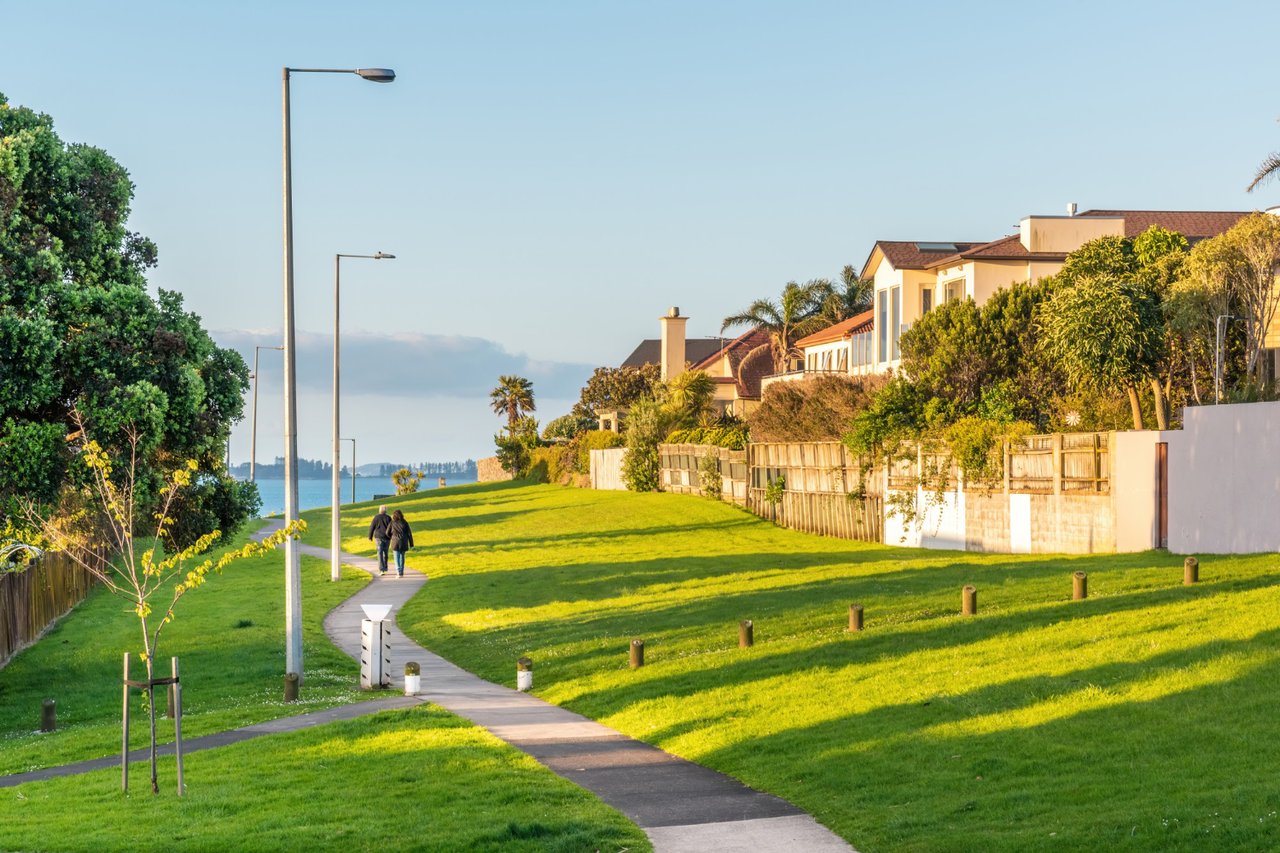
The Cotton Belt Trail is especially useful because it connects regionally from North Richland Hills to Grapevine. If you like having a trail option nearby for walks, bike rides, or casual outdoor time, that adds real day-to-day value. It also reinforces Colleyville’s blend of residential calm and practical connectivity.
Colleyville offers a notable level of civic infrastructure for a small suburb. The city’s public safety division includes emergency management, fire, and police. The fire department serves more than 24,000 residents across 13 square miles with three stations, and the police department is nationally and state accredited.
You also have access to a two-story public library and Colleyville Center, a civic event venue that serves residents and business leaders. These details may not always drive the home search at first, but they often shape how supported and connected a community feels after you move in.
For many buyers, school boundaries are part of the relocation checklist. Grapevine and Colleyville are served by Grapevine-Colleyville ISD. Southlake, by comparison, is served by Carroll ISD.
This matters because some buyers start with a broad search across northeast Tarrant County, then narrow by city once they understand district alignment and neighborhood feel. If Colleyville is on your list, it helps to review specific attendance details early as part of your home search.
Colleyville is designed more around neighborhood-scale convenience than regional commercial intensity. The city describes itself as close to shops, restaurants, and services, and the Colleyville Business Center sits in the heart of The Village as a hub for businesses, entrepreneurs, and residents. That supports the idea of Colleyville as a place where you can handle the basics nearby without the city itself feeling heavily commercial.
If you want a larger retail and dining core, you will probably compare Colleyville with Southlake. Southlake Town Square functions as a major central hub for retail, dining, and entertainment. If you want more historic downtown character, you may also compare Colleyville with Grapevine and its Main Street area.
Colleyville is about five miles from DFW International Airport, 14 miles from downtown Fort Worth, and 22 miles from downtown Dallas. That makes it especially appealing for buyers who want strong regional access while still living in a more residential setting. It is best understood as an airport-adjacent, car-first suburb.
For relocators, that location can remove a lot of stress from work travel and cross-metro commuting. You are close enough to major job centers and destinations to stay connected, but your home base can still feel separate from the pace of busier urban corridors.
Colleyville and Southlake often attract similar buyers, but they do not feel exactly the same. Southlake has the higher median owner-occupied home value, at $1,014,500, and it is known for a larger amenity and retail node anchored by Southlake Town Square. It also has a larger population than Colleyville, with 32,320 residents.
Colleyville is generally quieter and more purely residential. If your priority is a large-lot neighborhood feel, a lower-density setting, and easy access to the airport, Colleyville may feel more aligned. If you want a bigger built-in retail core and a more prominent commercial center, Southlake may end up on your comparison list.
Grapevine offers a more mixed housing base and a lower median owner-occupied home value of $493,100. It also stands out for transit access, with TEXRail connecting Downtown Fort Worth, Grapevine, and DFW Terminal B. On top of that, Grapevine has a strong historic identity, with multiple National Register and local historic districts.
Colleyville is different in tone. It is less about transit and historic-district living, and more about space, owner-occupancy, and a lower-density residential environment. If you are choosing between the two, the question is often whether you value larger-lot neighborhood character or a more mixed city with rail and historic downtown appeal.
Colleyville tends to make the most sense if your home search centers on space, stability, and convenience. You may be a strong fit for the area if you are looking for:
It can be especially appealing if you are relocating from out of state or from a denser part of DFW and want a smoother landing. You get a setting that feels established and residential, while still staying plugged into the wider metro.
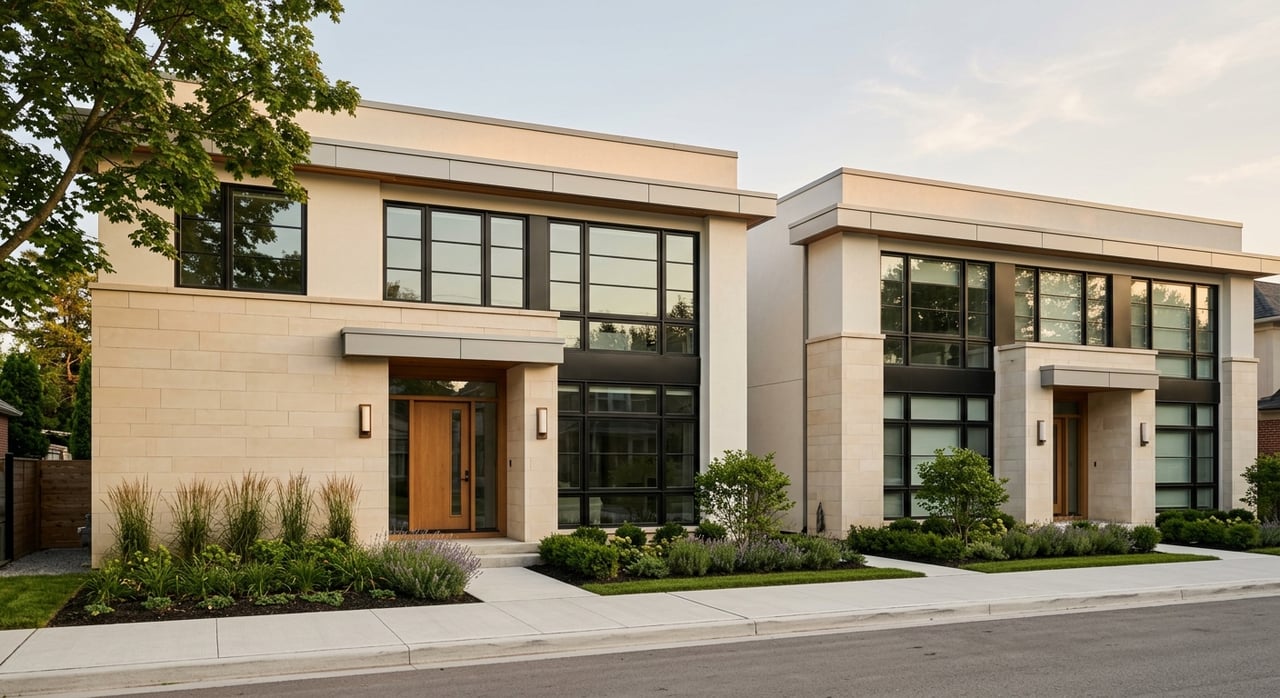
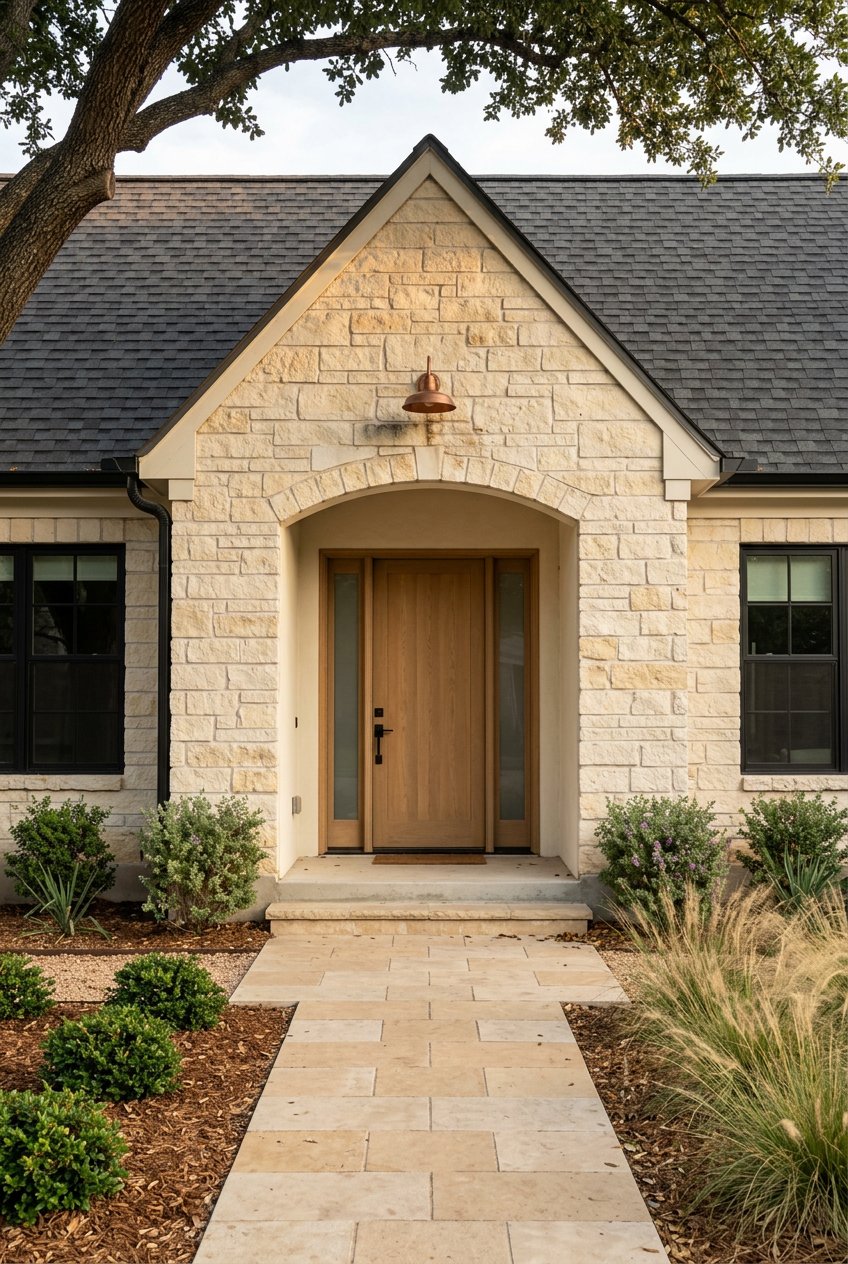
If Colleyville is rising to the top of your list, it helps to define your priorities early. The city’s housing profile is not one-size-fits-all, and your experience can vary depending on whether you want a newer custom build, an older home with character, or a particular lot size and street feel.
As you evaluate options, focus on:
A well-planned relocation is usually less about chasing the broadest name recognition and more about matching your daily routine to the right city. In Colleyville, that often means choosing a residential environment that feels spacious, steady, and easy to live in.
If you are planning a move to Colleyville and want help narrowing neighborhoods, comparing nearby cities, or building a smart relocation strategy, J.Klefeker Group is here to guide you with a clear, concierge-style approach.